
Used cooking oil recycling transforms kitchen waste into valuable resources through a structured, multi-stage process. Commercial kitchens that understand this system can participate more effectively while supporting sustainability goals.
What Happens to Used Cooking Oil After Collection
When considering what restaurants do with used cooking oil (UCO), properly collected UCO enters a recycling system that transforms waste into usable products rather than ending up in landfills or causing drain blockages. With approximately 190 million metric tons of used cooking oil generated globally each year1, the recycling infrastructure that processes this waste plays a critical role in sustainability efforts.
The recycling process involves four main stages:
- Collection: Scheduled pickup from restaurant storage containers
- Filtration: Removal of contaminants and water
- Processing: Chemical conversion into usable products
- Repurposing: Transformation into biodiesel, animal feed, or industrial materials
Each step removes contaminants and prepares the oil for conversion. Understanding where to recycle used cooking oil helps operators participate effectively in this sustainable cycle.
Step 1: Collection and Transportation
The recycling process begins when collection services pick up UCO from restaurant storage containers. Trained drivers arrive on scheduled routes, pumping oil directly out from outdoor tanks or retrieving filled containers.
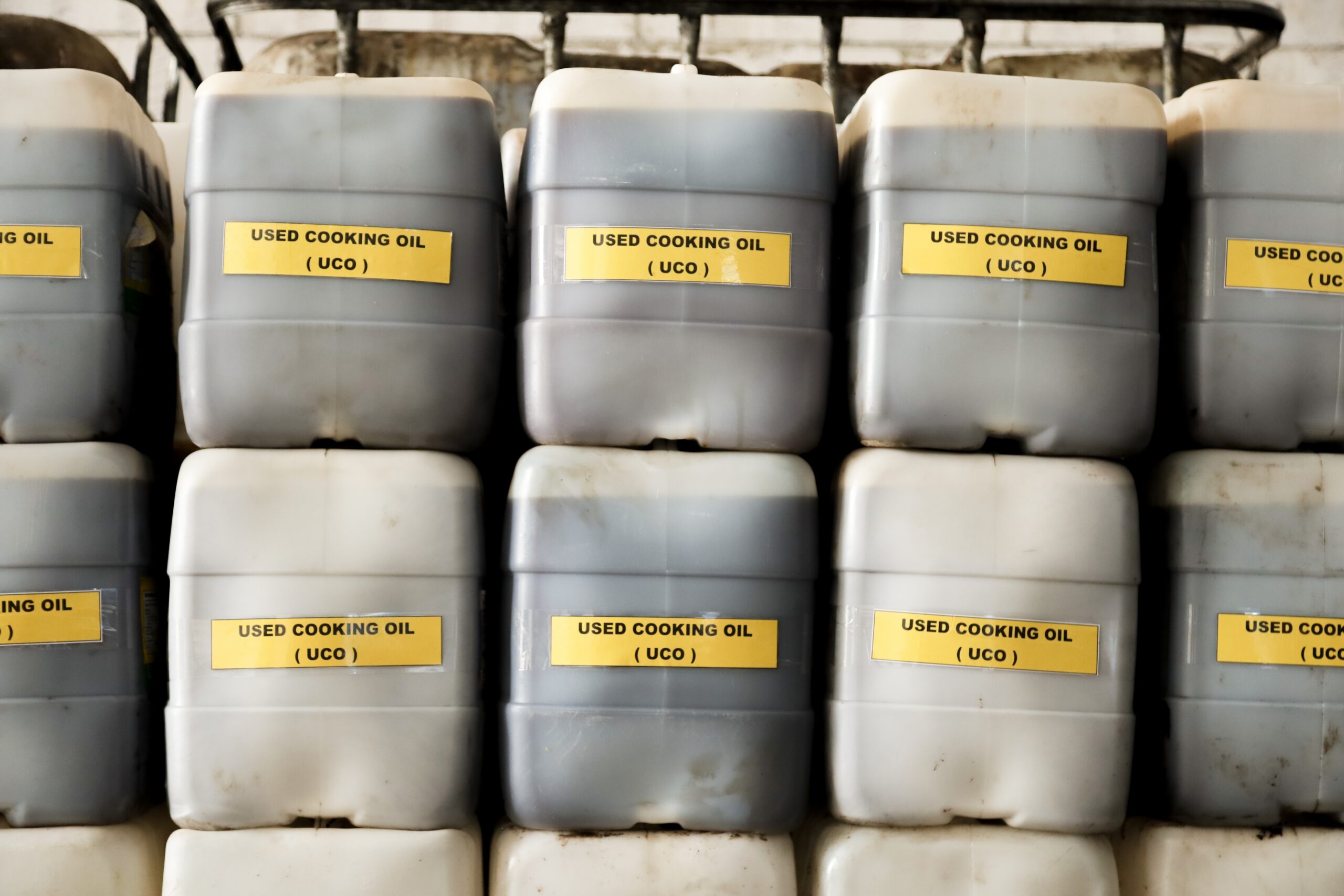
In many jurisdictions, regulations require that cooking oil be placed in containers provided by state-approved Inedible Kitchen Grease transporters2, ensuring proper handling from the start. Used cooking oil must be free of water contamination, making it essential to store it properly and keep it separate from other waste streams.
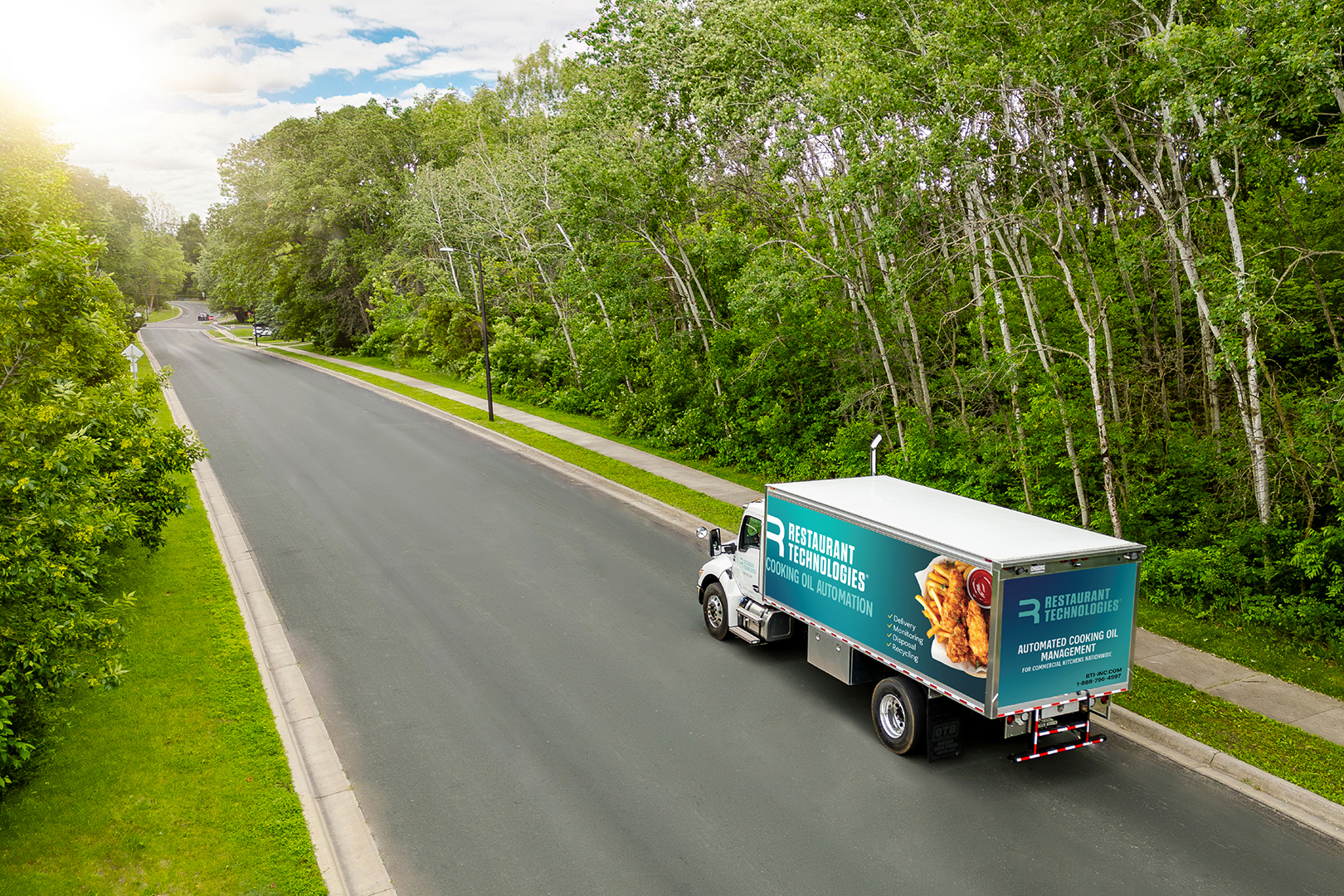
Many operators rely on enclosed tank systems that keep oil secure until pickup, eliminating the hazards of manual handling. Once collected, the oil travels to regional processing facilities in specialized tanker trucks designed for bulk cooking oil recycling.
The best way to dispose of used cooking oil is to partner with a reliable recycler that maintains consistent schedules.
Step 2: Filtration and Cleaning
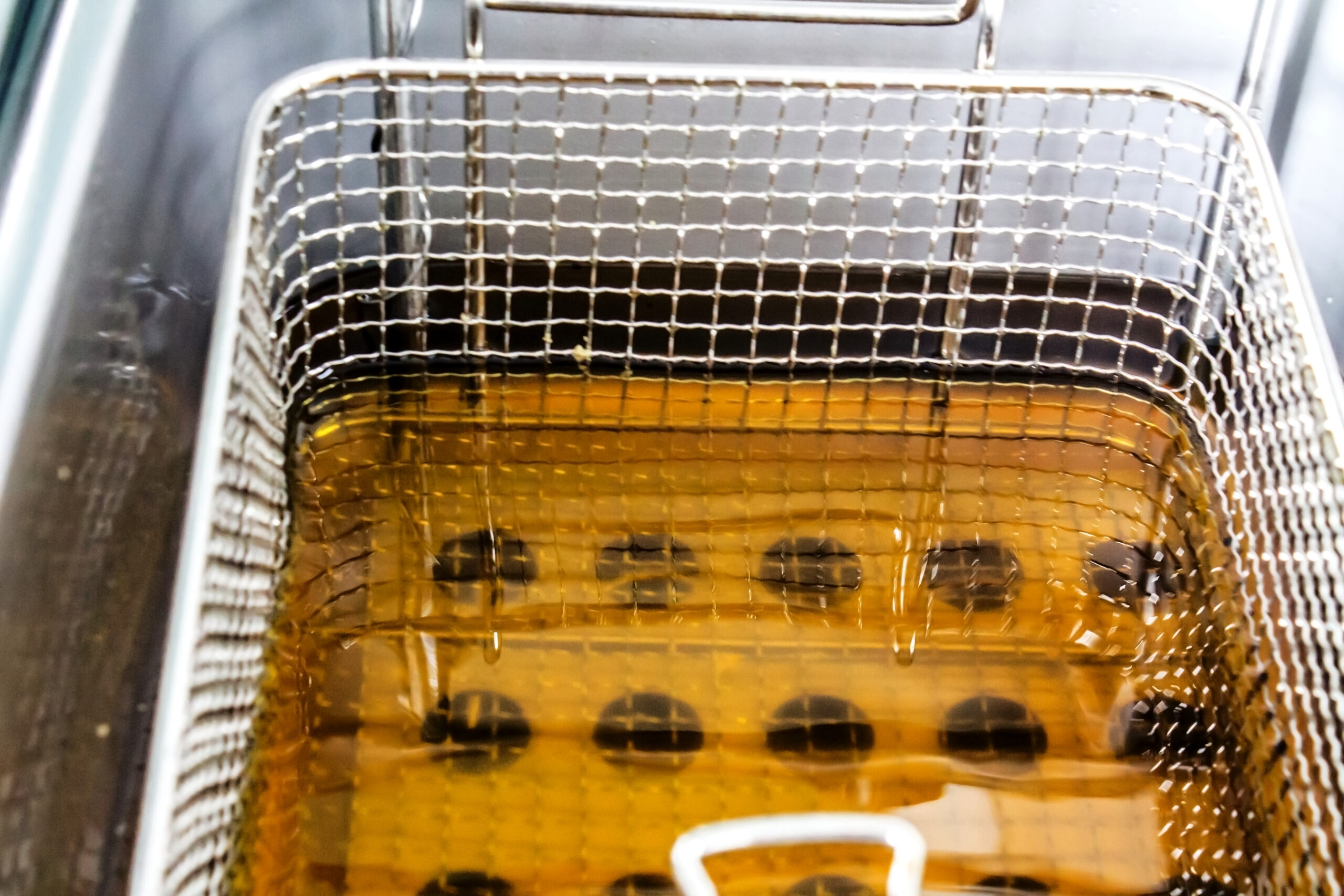
At recycling centers, used cooking oil undergoes thorough filtration to remove food particles, sediment, and water. This stage is critical because contaminants interfere with conversion processes and reduce finished product quality.
The cleaning process typically involves:
- Heating: Oil is heated to separate water and improve flow
- Mechanical filtration: Screens and filters capture solid debris
- Centrifuge separation: Spinning forces separate oil from heavier impurities
- Dewatering: Remaining moisture is removed through evaporation
Understanding how often to filter your cooking oil and using a reliable cooking oil filter system in the kitchen also helps by removing particles before disposal. Cleaner oil at collection means more efficient processing and higher-quality outputs.
Step 3: Processing and Conversion
Purified UCO enters the conversion phase, where chemical processes transform it into marketable products. The most common method, transesterification, converts cooking oil into biodiesel suitable for diesel engines.
During transesterification, oil is mixed with alcohol and a catalyst. This reaction breaks down fat molecules, producing biodiesel and glycerin.
Biodiesel meets industry standards for vehicle fuel, while glycerin is used in soaps, cosmetics, and pharmaceuticals. Some refineries use alternative methods depending on the oil’s condition. Heavily degraded oil may be used as industrial lubricants or animal feed additives rather than as fuel.3
Step 4: Repurposing Into New Products
Recycled cooking oil becomes several valuable products that support sustainability across industries.
The common end uses include:
- Biodiesel: Powers vehicles as a renewable alternative to petroleum
- Animal feed: Provides high-energy fat content for livestock nutrition
- Industrial lubricants: Creates eco-friendly alternatives for machinery
- Soap and cosmetics: Supplies raw materials for personal care products
The benefits of recycling used cooking oil extend beyond basic restaurant waste reduction. When cooking oil is converted into biofuel, it displaces fossil fuel use and reduces greenhouse gas emissions.
This helps operators make frying sustainable while giving commercial kitchens a meaningful role in broader environmental initiatives.

Environmental Benefits of the Recycling Process
Used cooking oil recycling prevents environmental damage while creating renewable alternatives to petroleum products. When oil is disposed of improperly, it contaminates soil and water systems. Recycling eliminates these risks entirely.
Biodiesel produced from UCO generates significantly lower carbon emissions than petroleum diesel, offering a practical way to improve restaurant sustainability with minimal operational changes. Recycling also embodies circular economy principles, where resources that would otherwise become waste gain extended value through conversion into fuel and materials.
How Restaurants Fit Into the Recycling Ecosystem
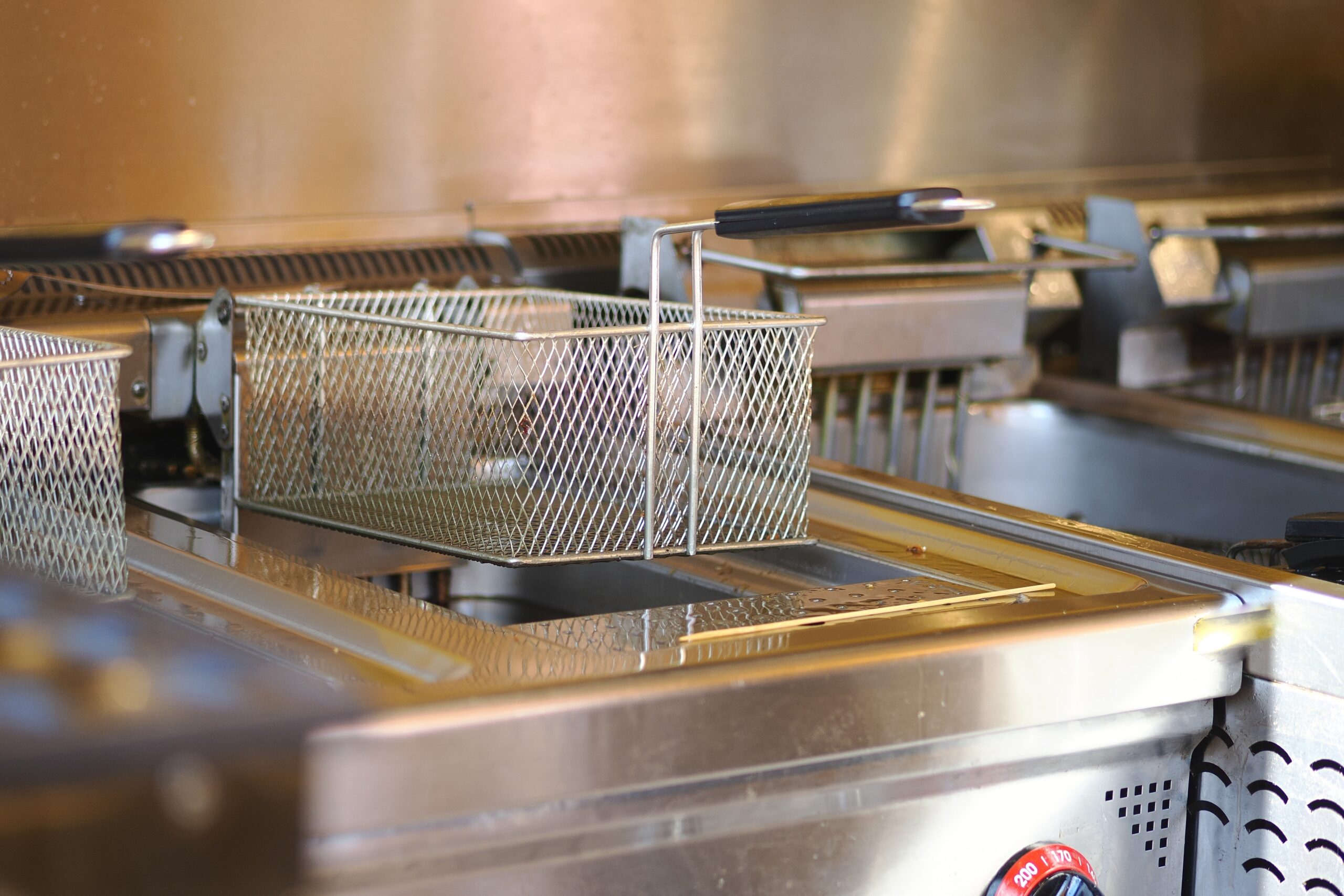
Commercial kitchens play an essential role in the recycling supply chain through proper storage and consistent pickup coordination. Oil stored in clean, enclosed containers maintains quality and simplifies collection.
Scheduled pickups prevent overflow and ensure UCO moves efficiently into the recycling stream. Used cooking oil disposal services handle the logistics, improving back-of-house workflow by freeing kitchen staff from hazardous manual tasks.
This approach reduces safety risks associated with handling large volumes of hot oil.
From Waste to Resource
Used cooking oil recycling transforms kitchen byproducts into valuable resources through collection, filtration, processing, and repurposing. Each stage removes contaminants and prepares oil for conversion into biodiesel, animal feed, or industrial materials.
Restaurant Technologies provides Automated Cooking Oil Management that streamlines the collection and disposal aspects of this process. With over 25 years of expertise and 45,000+ commercial kitchens served nationwide, Restaurant Technologies handles fresh oil delivery, usage monitoring, and used oil pickup through an enclosed, closed-loop system.
Sources:
- Springer. Valorization of used cooking oil: challenges, current developments, life cycle assessment and future prospects. https://link.springer.com/article/10.1007/s43621-025-00905-7
- City of Carpinteria. THE RESTAURANT’S GUIDE BEST MANAGEMENT PRACTICES (BMPs). https://carpinteriaca.gov/wp-content/uploads/2024/08/Restaurants-Guide-to-BMPs-English-Rev2A.pdf
- Science Direct. Advancing sustainable lubricating oil management: Re-refining techniques, market insights, innovative enhancements, and conversion to fuel. https://www.sciencedirect.com/science/article/pii/S2405844024152796