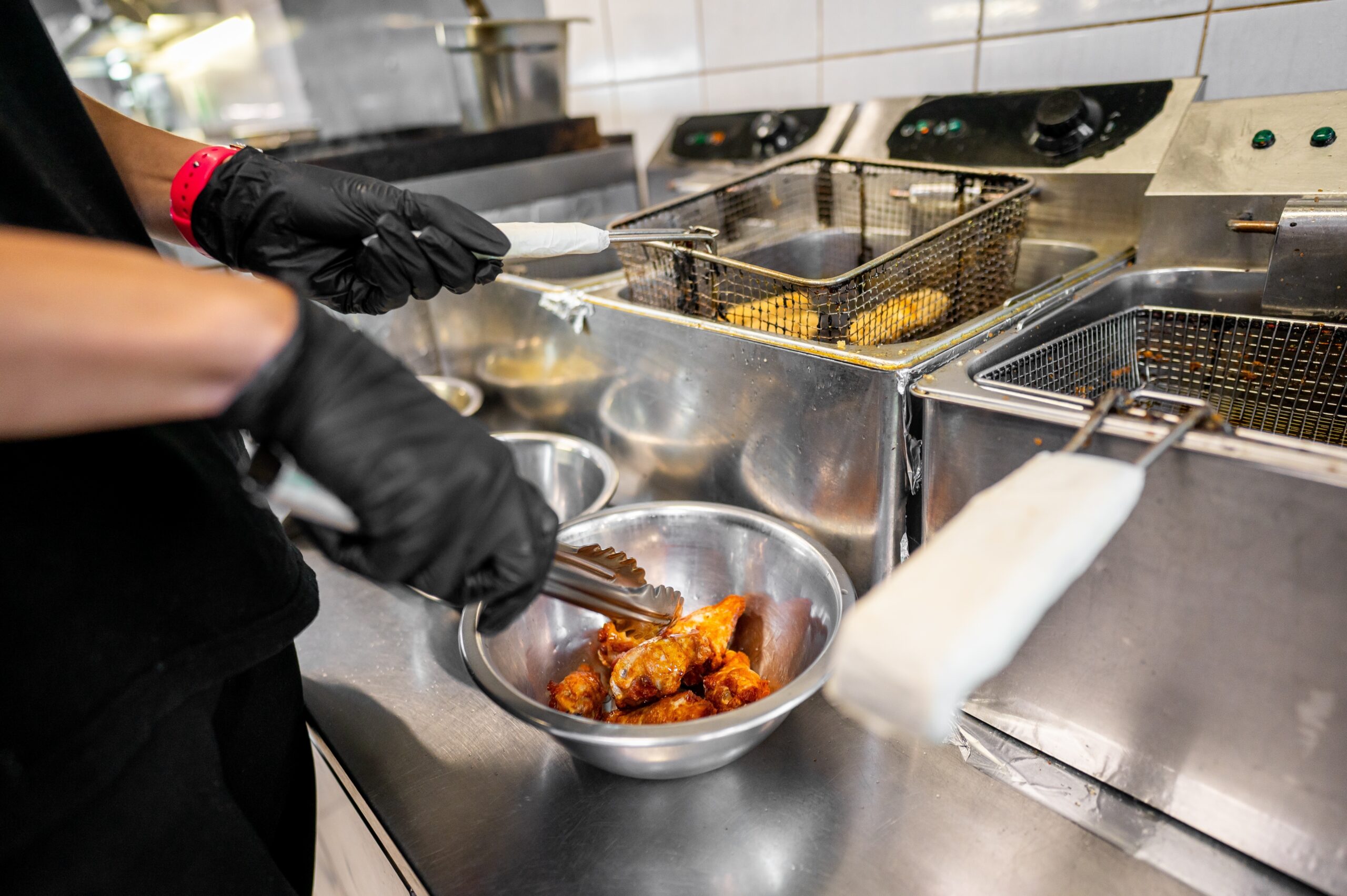


Proper used cooking oil storage protects commercial kitchens from fire hazards, workplace injuries, and regulatory violations. Following best practices for used cooking oil storage helps operators stay compliant and keep staff safe.
This guide covers essential safety practices, from selecting the right containers and placement strategies to training staff and maintaining compliance with health codes. Learn more about commercial kitchen safety and how to protect your team.
Understanding the Risks of Improper Oil Storage
Reducing risk in restaurants requires addressing the serious hazards created by storing used cooking oil incorrectly. Taking steps to reduce the risk of food service kitchen fires is essential. Hazards increase significantly when hot or improperly contained oil sits near heat sources or flammable materials.
Spills from unstable containers cause slip-and-fall accidents that injure staff and disrupt operations. Beyond workplace safety, improper oil storage can lead to environmental violations.
Used oil that leaks or enters drains may contaminate local water systems. Health inspectors routinely evaluate storage practices, and non-compliance can result in fines, failed inspections, or operational shutdowns. Understanding best practices for storing used cooking oil until disposal protects both your team and your business.
Used Cooking Oil Storage: Key Safety Guidelines
Proper storage requires the right equipment and strategic placement within your kitchen.
Use Proper Containers and Equipment
Commercial kitchens should store used oil in durable, heat-resistant containers designed for this purpose. Choose containers with these essential features:
- Food-grade metal or heavy-duty plastic: Vessels must withstand oil weight and temperature variations
- Secure, tight-fitting lids: Prevent leaks and contain odors effectively
- Clear labeling: Avoid confusion with other liquids through prominent identification
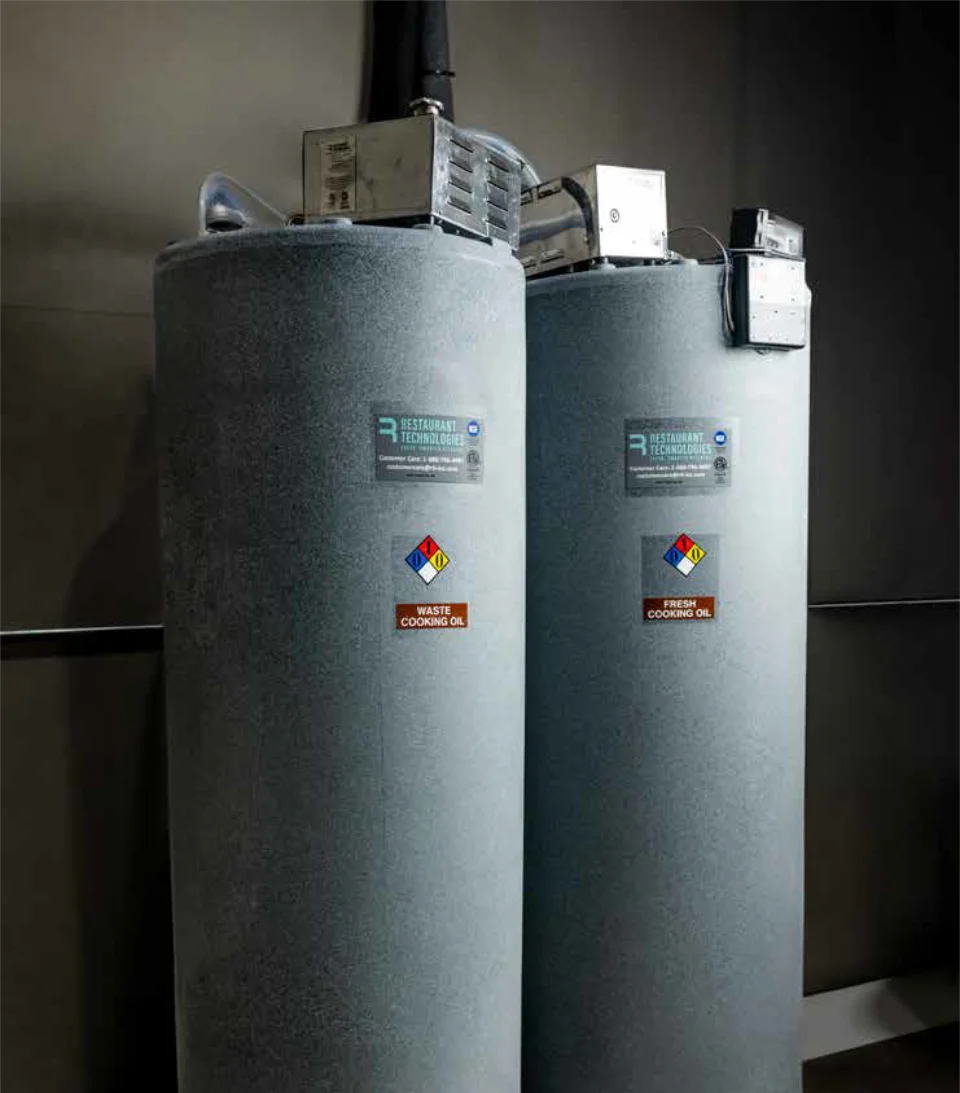
Avoid makeshift solutions like cardboard boxes or thin plastic bags. These materials degrade quickly, increasing the risk of spills and contamination. A dedicated used oil tank provides reliable, enclosed storage that simplifies handling.
Store Oil in Designated Areas
Position used oil containers away from high-traffic zones where staff could bump into them. Keep storage areas clear of ovens, burners, and other ignition sources to reduce fire risk.
Adequate ventilation prevents fume buildup and maintains air quality. Designating a back-of-house location for used oil streamlines pickup and ensures staff understand exactly how to throw away used cooking oil safely.
Preventing Spills and Workplace Accidents
Oil spills create slippery surfaces, making it essential to implement strategies to avoid costly slip-and-fall injuries. Establishing clear transfer procedures reduces the chance of accidents during routine handling.
Staff should use carts or dollies when moving full containers rather than carrying them manually. Keep absorbent materials and spill kits readily accessible near storage areas.
Municipal guidelines recommend maintaining spill cleanup kits near the storage area1 stocked with the following materials:
- Rags for initial containment
- Absorbent sweep for liquid absorption
- Similar cleanup materials for immediate response
Post clear signage reminding staff of proper handling procedures. Consistent practices around used cooking oil disposal minimize daily risks and keep your kitchen running safely. Knowing how to clean up a grease spill immediately prevents the hazard from spreading.
Fire Safety and Heat Management
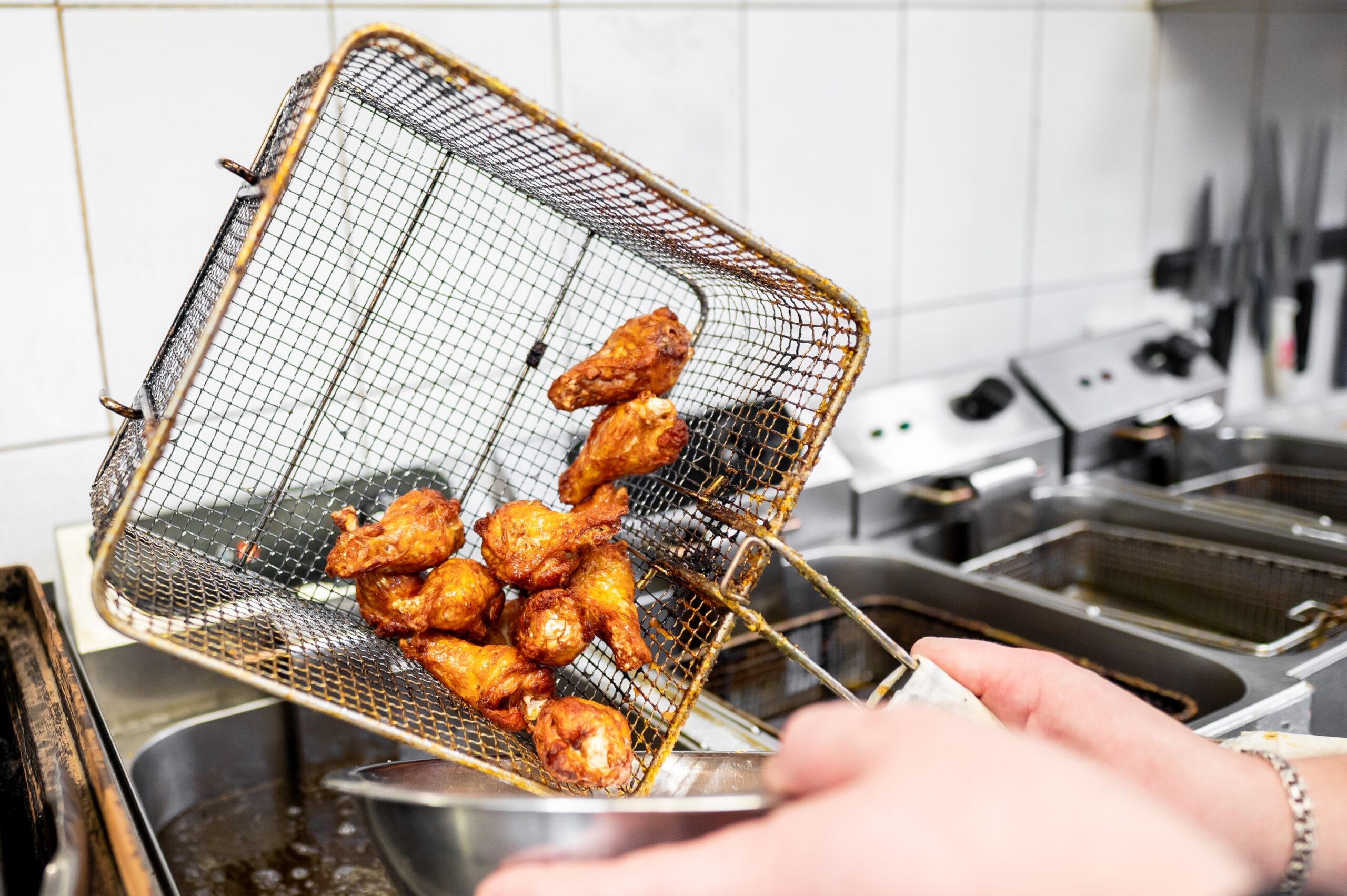
Hot frying oil poses significant fire danger. Never transfer used oil into storage containers until it has cooled to a safe temperature.
Attempting to store oil while still hot can warp containers, cause burns, and create combustion risks. Keep stored oil away from open flames, pilot lights, and electrical equipment that generates heat. Always ensure the correct fire extinguisher for cooking oil is easily accessible.
The NFPA requires that Class K fire extinguishers be placed no farther than 30 ft (9.1 m) from the hazard2. Storage areas should remain below recommended temperature thresholds to prevent degradation or spontaneous ignition. Understanding recycling vs. disposing used cooking oil helps operators make informed decisions about safe handling timelines.

Training Staff on Oil Handling Safety
Every team member who handles cooking oil needs proper training. Clear, documented procedures create consistency across shifts and reduce reliance on individual judgment.
Focus on a few core practices:
- Establish clear, documented procedures: Standard processes ensure every team member follows the same steps, regardless of shift or experience level.
- Reinforce safety with visual reminders: Posting guidance near fryers and storage areas helps keep safe practices top of mind during busy service periods.
- Assign ownership for oil management tasks: Defining responsibility by role improves accountability and reduces confusion during daily operations.
- Provide ongoing refresher training: Regular training helps maintain consistency, especially as staff turnover introduces new team members.
- Build awareness of the full oil lifecycle: When employees understand how oil handling and disposal systems work, they’re more likely to follow protocols correctly.
Meeting Health and Safety Regulations
Local health codes and fire regulations govern how commercial kitchens must store used cooking oil. Inspectors evaluate container integrity, placement, labeling, and disposal documentation during routine visits.3
Integrating these tasks into a daily commercial kitchen cleaning checklist helps maintain detailed records of oil deliveries, usage, and pickups to demonstrate compliance. Consistent practices across all locations help multi-unit operators pass inspections reliably.
Ultimately, staying current with regulatory requirements protects your operation from fines and ensures a safer environment for staff and customers.
Building a Safer Kitchen Environment
Strong storage practices protect staff from burns, slips, and fire hazards while keeping kitchens compliant with health and safety standards. Proactive management and regular training reinforce these protocols across every shift.
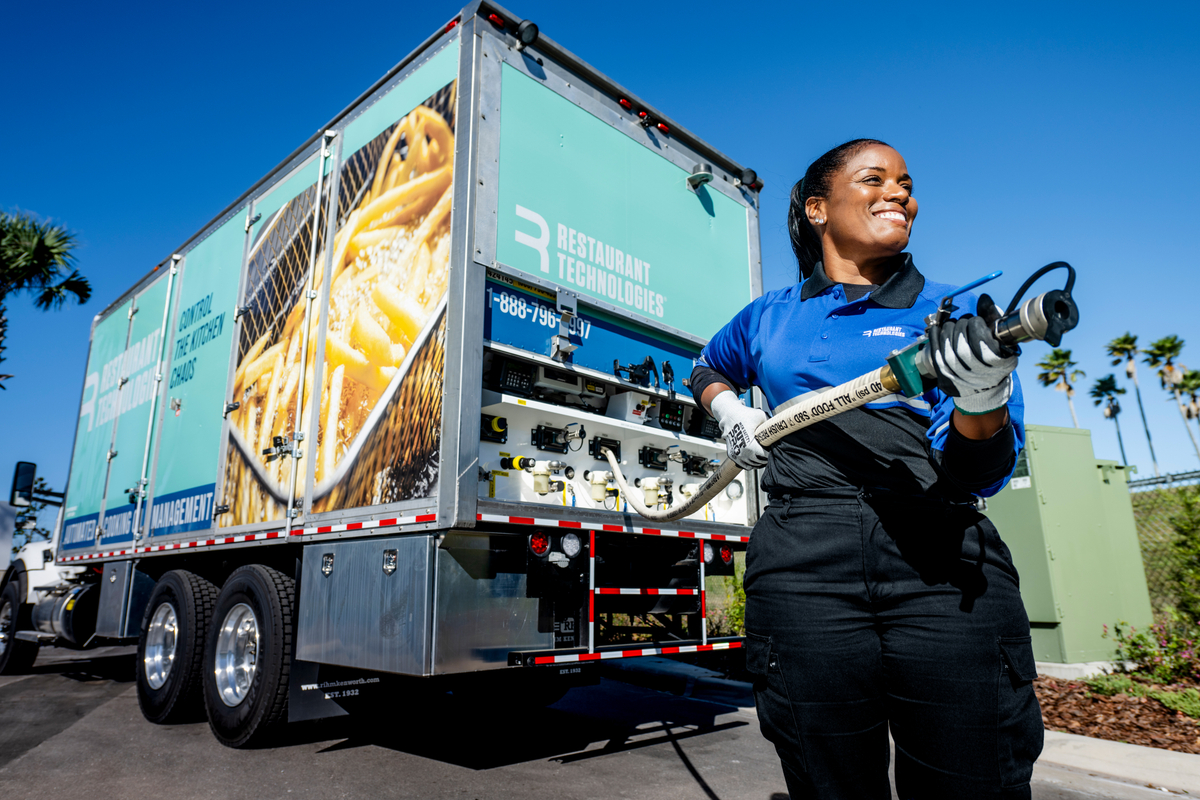
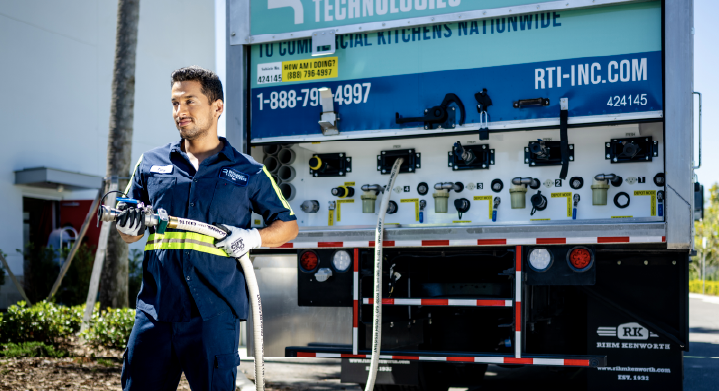
Restaurant Technologies eliminates the complexity of manual oil handling through Automated Cooking Oil Management. With enclosed tanks, hands-free disposal, and dependable service, operators gain a safer, more efficient approach to used oil storage and removal.
Sources:
- City of Sacramento. How To Recycle Kitchen Grease. https://www.cityofsacramento.gov/content/dam/portal/dou/utilities/wastewater/fats%2C-oils-and-grease/documents/HowTo.pdf
- NFPA. Fire Extinguisher Location and Placement. https://www.nfpa.org/-/media/project/storefront/catalog/files/code-or-topic-fact-sheets/FireExtinguisherFactSheet.pdf
- IDR Environmental. Hazardous Waste Storage and Container Labeling: What Inspectors Expect to See. https://blog.idrenvironmental.com/hazardous-waste-storage-and-container-labeling-what-inspectors-expect-to-see