
Emerging restaurant technology is transforming how commercial kitchens operate, from AI-powered forecasting and kitchen automation to smart sensors and web-based monitoring systems that deliver real-time operational insights. With the restaurant industry expected to reach $1.5 trillion in sales in 2025, these innovations address critical pain points: reducing manual labor, improving employee safety, maintaining consistent food quality, and providing the data visibility needed to make smarter decisions across single or multiple locations.
What Defines Emerging Restaurant Technology?
Emerging technology in restaurants centers on tools that drive speed, safety, quality, and smarter operations. These solutions automate manual tasks, improve consistency, and deliver real-time visibility across the restaurant.
- Automation reduces labor strain, with AI forecasting, connected equipment, and kitchen automation handling repetitive work more efficiently.
- Smart systems improve safety and quality by monitoring conditions, triggering alerts, and removing staff from hazardous tasks.
- Integrated platforms turn data into action, using analytics and web-based monitoring to optimize workflows, control costs, and support better decisions.
Together, these technologies help restaurants operate faster, safer, and more consistently while staying competitive in a rapidly evolving industry.
Key Emerging Technologies Reshaping Restaurants
Understanding restaurant tech trends helps you identify which solutions address your specific pain points. The most impactful emerging technologies in restaurants include:
- Artificial intelligence and machine learning: AI analyzes sales patterns to forecast demand, manage inventory automatically, and personalize guest recommendations. 82% of kitchen operators say their AI investment is likely to increase, demonstrating the technology’s proven value in restaurant operations.
- Kitchen automation and robotics: Automated cooking equipment and robotic prep tools reduce labor demands while maintaining consistency across shifts.
- Smart sensors and connected devices: Internet of Things equipment monitors temperatures, tracks usage, and alerts you to problems before they disrupt service.
- Self-service kiosks: Digital ordering stations reduce wait times, improve accuracy, and free your staff for higher-value tasks.
- Advanced POS systems: Modern point-of-sale platforms integrate with inventory management, loyalty programs, and analytics to give you complete operational visibility.
Each piece of commercial kitchen technology solves a specific problem, whether that’s reducing manual labor, improving the dining experience, or providing actionable data for better decisions.
How Emerging Technologies Improve Kitchen Efficiency
Back-of-house automation delivers immediate operational benefits. Kitchen efficiency depends on consistent processes and minimal time spent on tedious, repetitive tasks that pull staff away from food preparation.
- Automated cooking equipment: These maintain precise temperatures and timing without constant monitoring. This consistency matters especially for QSR and fast casual operators managing multiple locations where every dish must meet the same standards.
- AI-powered inventory management software: This tracks stock levels in real time and generates orders automatically when supplies run low. It eliminates guesswork and prevents both overstocking and costly shortages that disrupt service.
- Automated cooking oil management: This handles fresh oil delivery, filtration monitoring, and used oil disposal without manual intervention.
- Kitchen display systems: Digital screens replace paper tickets, streamlining order processing and improving communication between front and back of house.
- Automated scheduling tools: AI-driven platforms optimize staff schedules based on historical demand patterns.
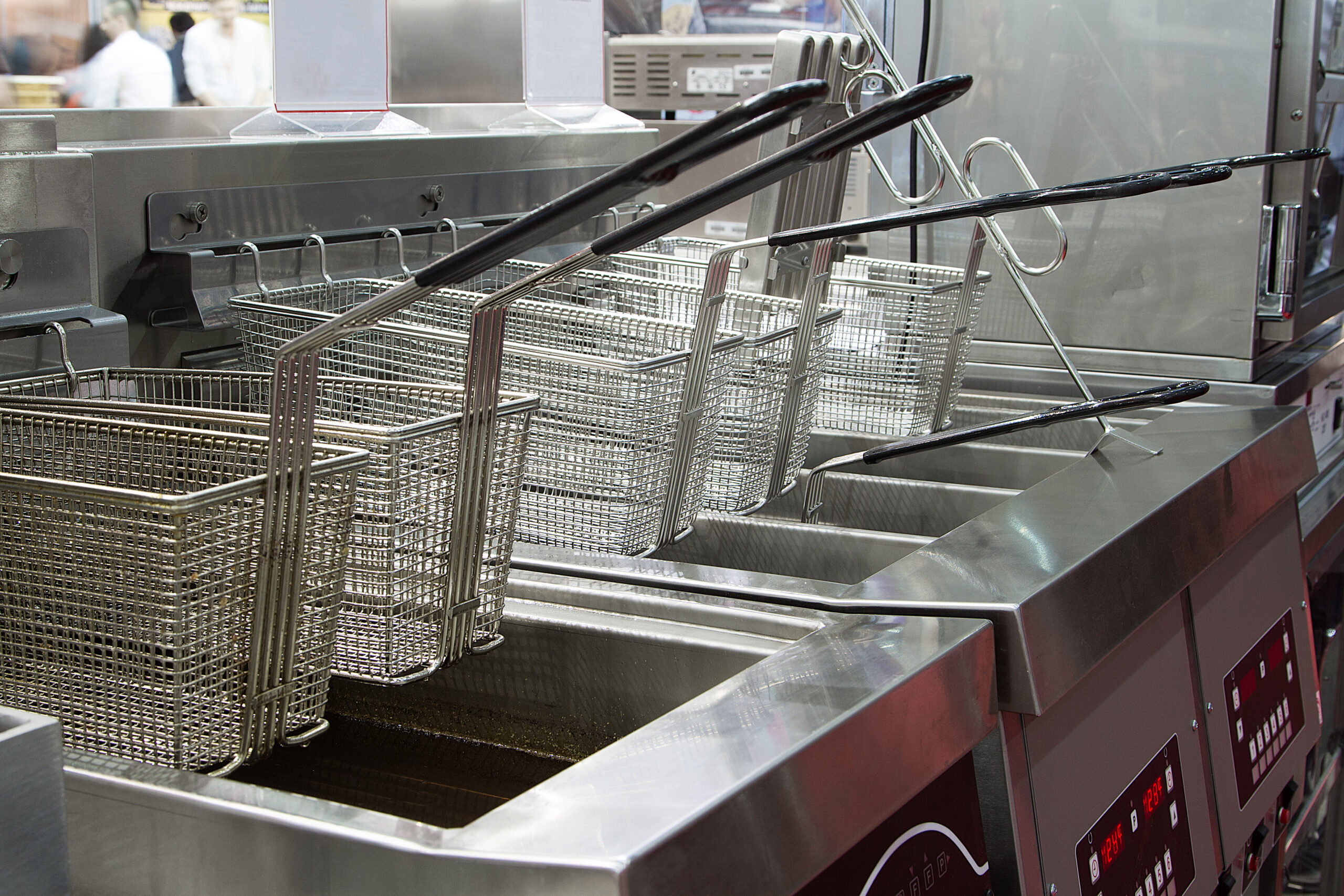
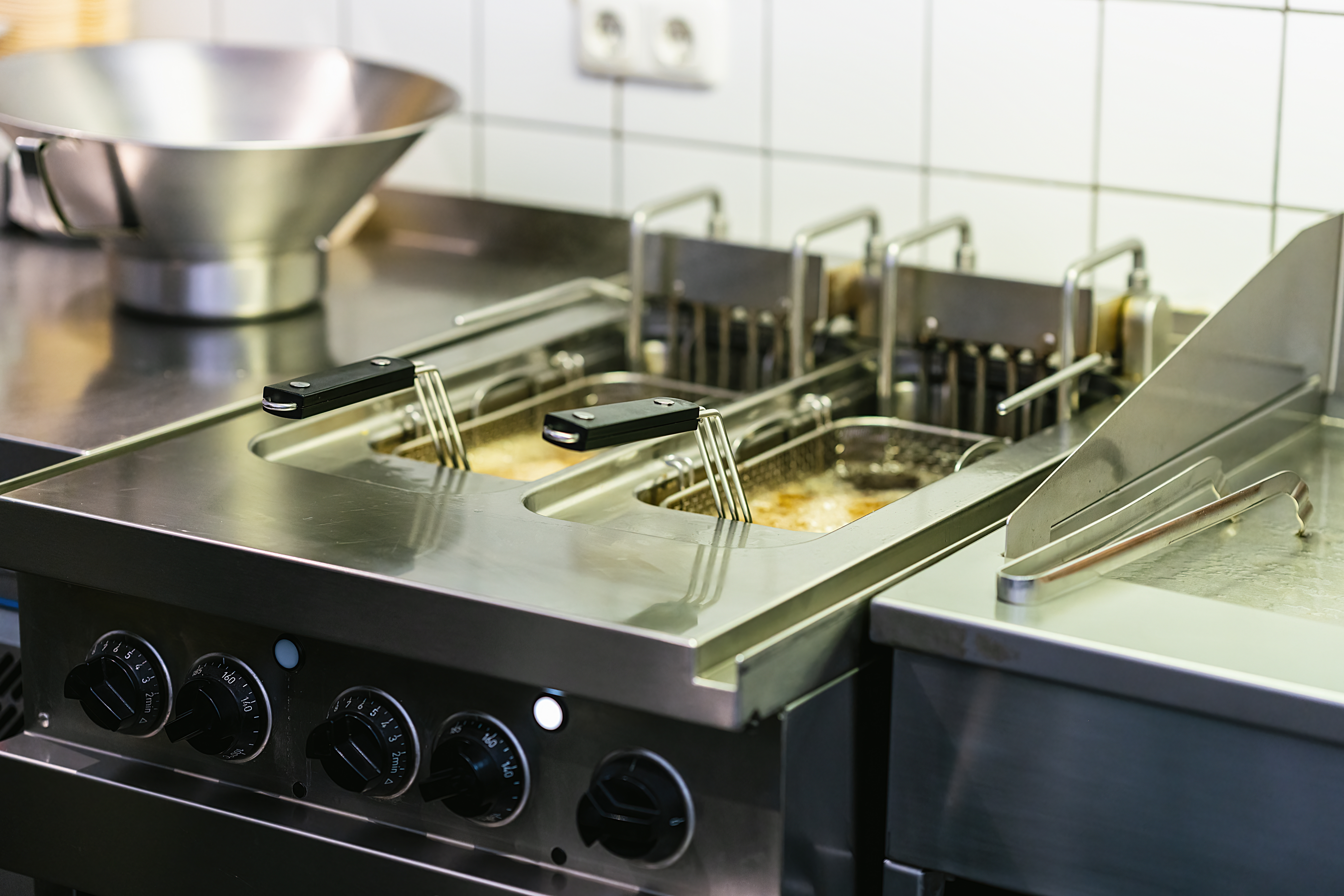
- Connected equipment: Smart fryers, ovens, and refrigeration units report performance data, enabling predictive maintenance that prevents unexpected breakdowns.
How New Technologies Enhance Guest Experience
Mobile apps and online ordering platforms give customers control over their experience. They browse digital menus, customize orders, and pay without waiting, whether for dine-in, takeout, or delivery. A dedicated restaurant mobile app builds direct relationships while opening new revenue streams beyond traditional channels.
Self-service kiosks have become standard in many QSR environments, with 61% of users wanting more kiosks to be available in restaurants for ordering. These systems decrease wait times, improve order accuracy, and boost average order values through suggestive selling prompts that appear during the ordering process.
Loyalty programs powered by customer data deliver personalized promotions that build customer loyalty over time. When integrated with your POS system, these programs track preferences and purchase history to create targeted offers that resonate with individual guests.
QR codes simplify digital menu access and enable contactless payment through options like Apple Pay, while AI chatbots and virtual assistants handle reservation requests and common questions around the clock. These digital tools enhance the guest experience without adding staff burden during busy service periods.

Data and AI Powering Modern Restaurant Insights
Data has become one of your most valuable operational assets. AI and analytics platforms transform raw information into actionable insights that drive smarter decisions across your restaurant business.
Predictive analytics help you anticipate demand, adjust staffing levels, and optimize inventory orders. Machine learning models analyze historical sales data, weather patterns, and local events to forecast busy periods with increasing accuracy.
Real-time dashboards provide visibility into key performance metrics across single or multiple locations. Every restaurant manager can monitor sales, labor costs, and food waste from a centralized platform, identifying problems before they impact profitability.
The benefits of data-driven restaurant management include:
- Reduced food waste: Accurate forecasting prevents over-preparation and spoilage.
- Optimized labor allocation: Scheduling tools match staffing to predicted demand.
- Improved menu engineering: Sales data reveals which menu items drive profitability and which underperform.
- Enhanced operational oversight: Kitchen operators with multiple locations gain visibility across their entire portfolio.
Emerging Safety and Compliance Technologies
Internet of Things sensors continuously track refrigeration temperatures, alerting staff immediately when equipment falls outside safe ranges. Similarly, smart controls that alert the user when it’s time to run a filter cycle ensure the cooking oil stays clean for longer, helping to improve consistency of fried products and save money by reducing overall cooking oil use.
This prevents spoilage and protects against foodborne illness without requiring manual temperature logs throughout the day.
Automated compliance systems maintain digital records that satisfy health inspection requirements. These platforms automate paperwork while ensuring nothing falls through the cracks during busy service periods.
One of the most significant safety improvements comes from eliminating hazardous manual tasks. Manual cooking oil handling exposes kitchen staff to burns, slips, and strain injuries from lifting heavy JIBs. A Total Oil Management (T.O.M) system automates this process, protecting workers while maintaining consistent cooking oil quality.
Challenges Restaurants Face When Adopting New Tech
Despite clear benefits, testing restaurant industry technology trends presents real obstacles. Kitchen operators must navigate cost concerns, integration complexity, and change management to realize the full value of their investments.
Initial costs can be substantial, particularly for independent restaurants operating on thin margins. Rising labor costs and the ongoing struggle to recruit and retain employees compound these financial pressures. Hardware, software licensing, and installation fees require careful budget planning and clear ROI projections before you commit.
Staff training and adoption represent ongoing challenges. Even the best technology fails if your employees don’t understand how to use it effectively. You must invest time in training and create accountability systems that reinforce proper usage.
| Challenge | Impact | Mitigation Strategy |
| High upfront costs | Delayed implementation | Phased rollout, financing options |
| System integration | Data silos, inefficiency | Choose platforms with open APIs |
| Staff resistance | Underutilization | Comprehensive training, clear benefits |
| Reliability concerns | Operational disruption | Select proven vendors with strong support |
How Restaurant Technologies Supports Adoption of Emerging Technology
Restaurant Technologies has spent more than 25 years helping commercial kitchens embrace automation. The company’s automated cooking oil management solution serves as an example of how targeted technology investments deliver measurable operational improvements.
The Total Oil Management system replaces manual cooking oil handling with a closed-loop, hands-free approach. Fresh oil arrives through automated delivery, filtration is monitored through the T.O.M. Portal, and used oil is safely removed and recycled into biofuel, all without your staff touching hot cooking oil or heavy containers.
This automated cooking oil management solution aligns with broader restaurant technology trends toward automation, safety, and sustainability. More than 45,000 busy kitchens trust Restaurant Technologies to streamline one of the most challenging back-of-house tasks while helps improve food quality and protecting their teams.
Embrace New Technology to Stay Ahead of Industry Change
Emerging restaurant technology continues to reshape how commercial kitchens operate. From AI-powered analytics to automated back-of-house systems, these innovations help you improve efficiency, enhance safety, and deliver consistent guest experiences. The future of restaurant technology depends on identifying solutions that address real operational pain points rather than adopting technology for its own sake.
Restaurant Technologies exemplifies this practical approach to innovation. With dependable, technology-driven systems serving more than 45,000 commercial kitchens nationwide, the company transforms cooking oil management from a hazardous manual task into a clean, automated process.
Sources:
- National Restaurant Association. Restaurant Industry Poised for Growth in 2025: Industry Expected to Employ 15.9 Million People and Reach $1.5 Trillion in Sales. https://restaurant.org/research-and-media/media/press-releases/restaurant-industry-poised-for-growth-in-2025-industry-expected-to-employ-15-9-million-people-and-r/.
- Deloitte. Deloitte: Restaurant AI Investments Heat Up, But Adoption Still Appears to be on the Back Burner. https://www.deloitte.com/us/en/about/press-room/deloitte-how-ai-is-revolutionizing-restaurants.html.
- Restaurant Dive. Tillster: 61% of users want more restaurant kiosks. https://www.restaurantdive.com/news/tillster-phygital-report-2025-kiosks-preference-increasing-us-consumers/745162/.
- Foodservice Equipment Reports. Fryers’ Newest Features Add Efficiencies. https://www.fermag.com/articles/fryers-newest-features-add-efficiencies/