
Technology in the restaurant industry has evolved from a competitive advantage to an operational necessity. With industry sales reaching a projected $1.5T nationwide, digital tools now shape every aspect of how restaurants operate, serve guests, and manage costs.
This guide examines the core technologies driving modern restaurant operations, the benefits and challenges of adoption, and emerging trends reshaping the industry. You’ll learn how front-of-house and back-of-house systems work together to improve efficiency, consistency, and safety across quick-service, casual dining, and high-volume food service environments.
How Technology Is Transforming the Restaurant Industry
Digital tools are streamlining restaurant operations from end to end. What once took manual coordination now happens automatically across integrated systems that link front-of-house, back-of-house, and management.
Ordering and payment are faster and more convenient, with kiosks, mobile apps, and QR menus allowing guests to customize and pay without staff assistance. This improves speed, accuracy, and satisfaction during peak times.
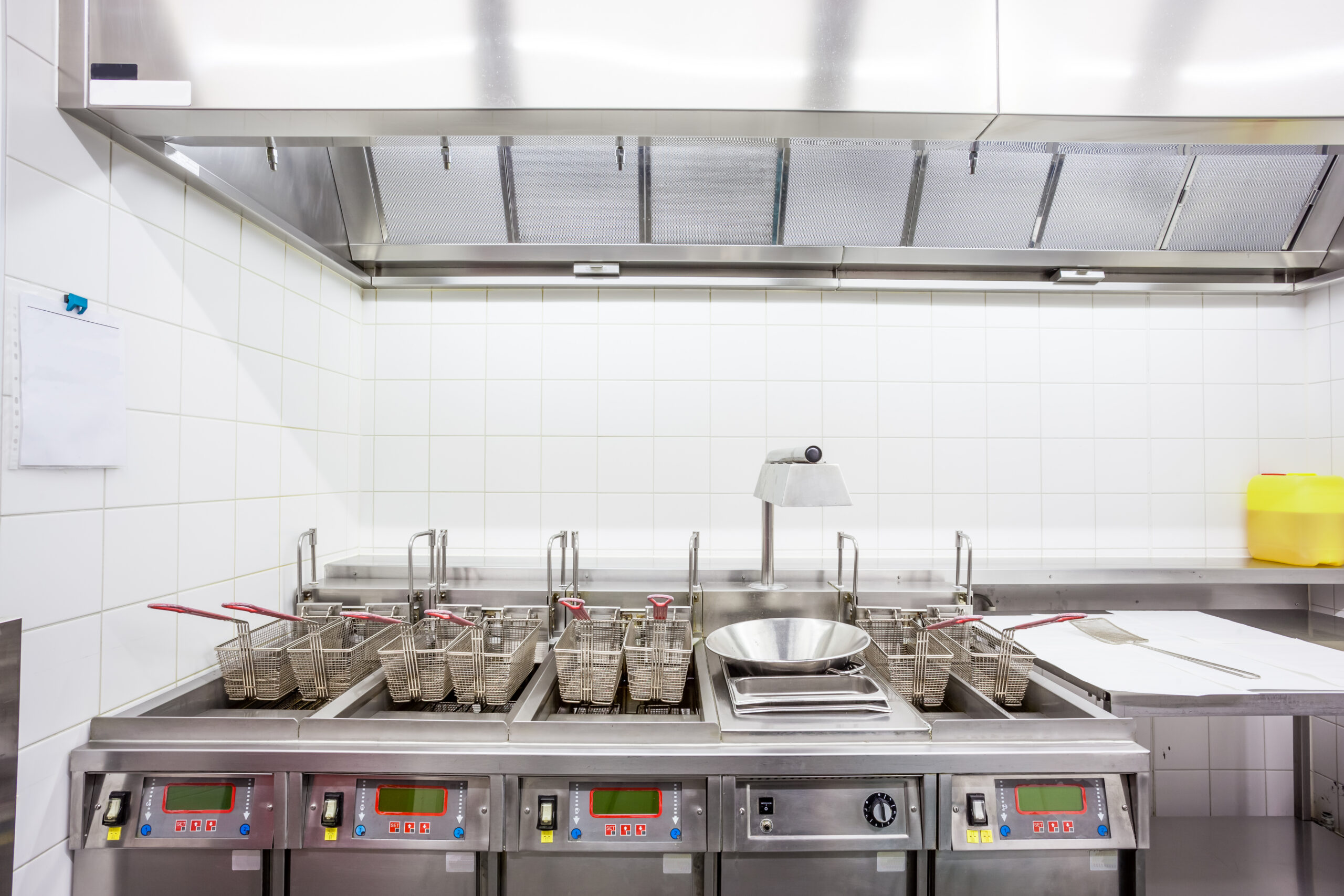
Back-of-house tech drives consistency and safety. Smart appliances adjust settings in real time, inventory updates automatically, and automated oil systems eliminate hazardous, time-consuming tasks.
AI and analytics give operators real-time visibility into performance. Managers can spot inefficiencies, adjust staffing, and make faster, data-backed decisions across locations.
Commercial kitchen technology turns restaurants into agile, efficient, and guest-focused operations, which is essential for success in today’s competitive market.
Core Technologies Used in Restaurants Today
The following systems form the foundation of restaurant management infrastructure:
- Advanced POS systems: Serve as your operational hub, processing transactions, tracking sales, and integrating with other platforms for real-time visibility
- Kitchen display systems: Replace paper tickets by routing orders directly from the POS to kitchen staff for faster, more accurate food preparation
- Inventory management software: Tracks stock levels, flags low inventory, and helps reduce food waste by aligning orders with actual demand. Currently, 55% of restaurants use AI daily for inventory management, with another 25% testing such applications.
- Online ordering platforms: Expand revenue streams by consolidating restaurant orders from multiple channels while capturing valuable customer data
- Employee scheduling tools: Automate shift planning to reduce labor cost inefficiencies and improve coverage during peak hours
These technologies work together to create seamless workflows that prevent operational leaks. When a guest places an order through a mobile app, the transaction flows through the POS, updates inventory counts, and appears on the kitchen display, all within seconds.
Technology Improving Front-of-House Operations
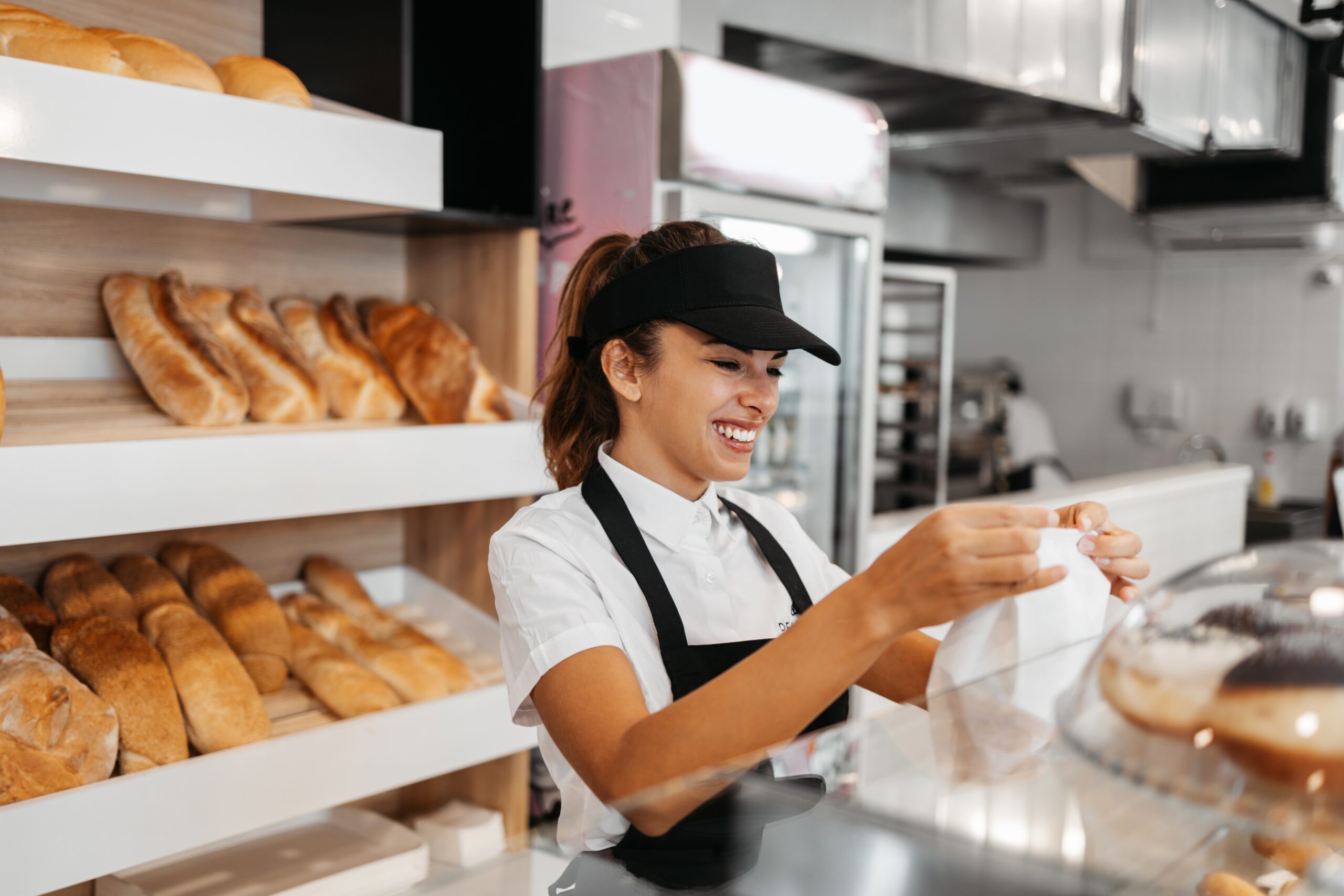
Guest-facing restaurant industry technology trends shape the dining experience from the moment a customer walks through your door.
- Self-service kiosks allow guests to browse the digital menu, customize orders, and complete contactless payment using options like Apple Pay without waiting for staff assistance. Each kiosk reduces wait times during busy periods while freeing your team to focus on hospitality.
- Reservation and table management platforms handle bookings, waitlists, and seating assignments through a single dashboard. These systems help you maximize capacity and reduce no-shows through automated reminders.
- Mobile ordering and payment options continue gaining traction. Guests can scan a QR code at their table, place an order, and pay, all from their phone. This streamlined approach to ordering and payment appeals to diners who value speed without sacrificing the sit-down experience.
- Customer loyalty programs powered by integrated platforms track preferences, purchase history, and visit frequency. This data enables personalization, allowing you to deliver targeted offers that strengthen customer relationships, improve customer retention, and drive repeat visits.
Technology Enhancing Back-of-House Operations
Behind the scenes, automation addresses some of the most demanding and hazardous aspects of restaurant operations. With 48 million people getting sick from foodborne illness annually, the role of technology in the kitchen improves safety, consistency, and efficiency where it matters most:
- Temperature monitoring systems track food and beverage storage continuously.
- Automated alerts notify staff when conditions fall outside safe ranges, supporting food safety compliance and reducing spoilage.
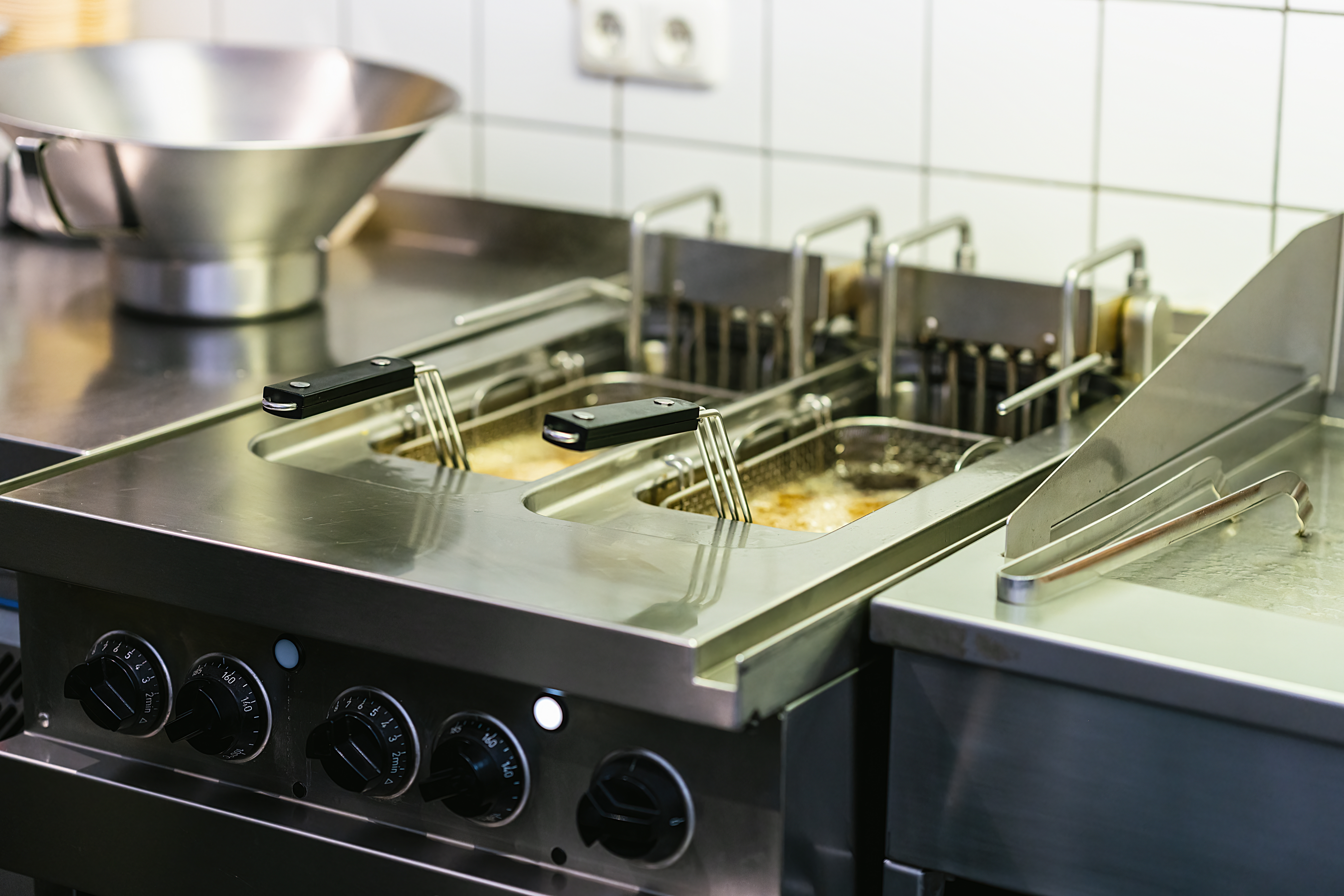
- Smart kitchen appliances adjust cooking times and temperatures based on real-time data, helping maintain consistency across every dish.
- Artificial intelligence monitors food preparation timing to ensure quality standards. This precision proves especially valuable for high-volume operations where manual oversight becomes impractical.
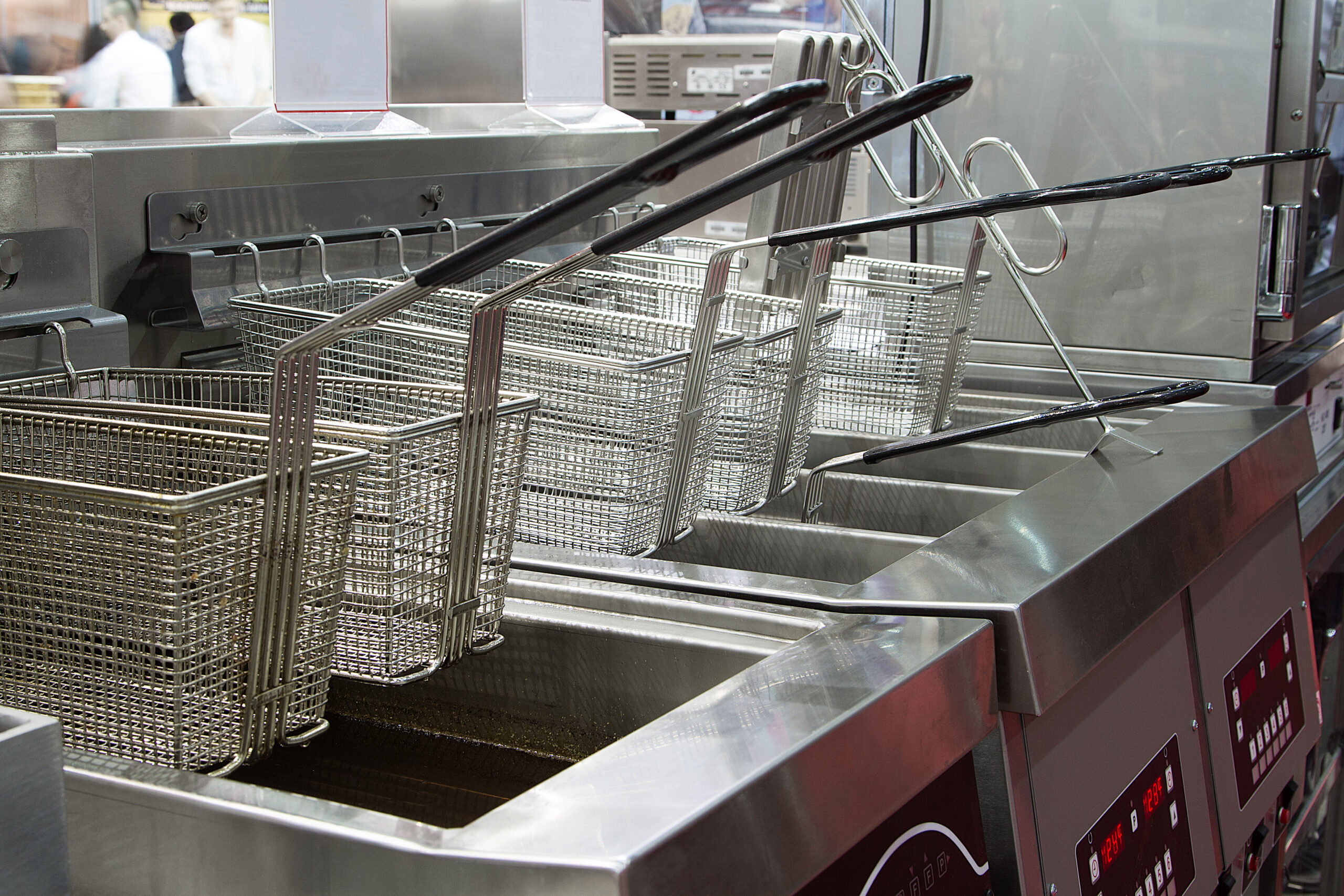
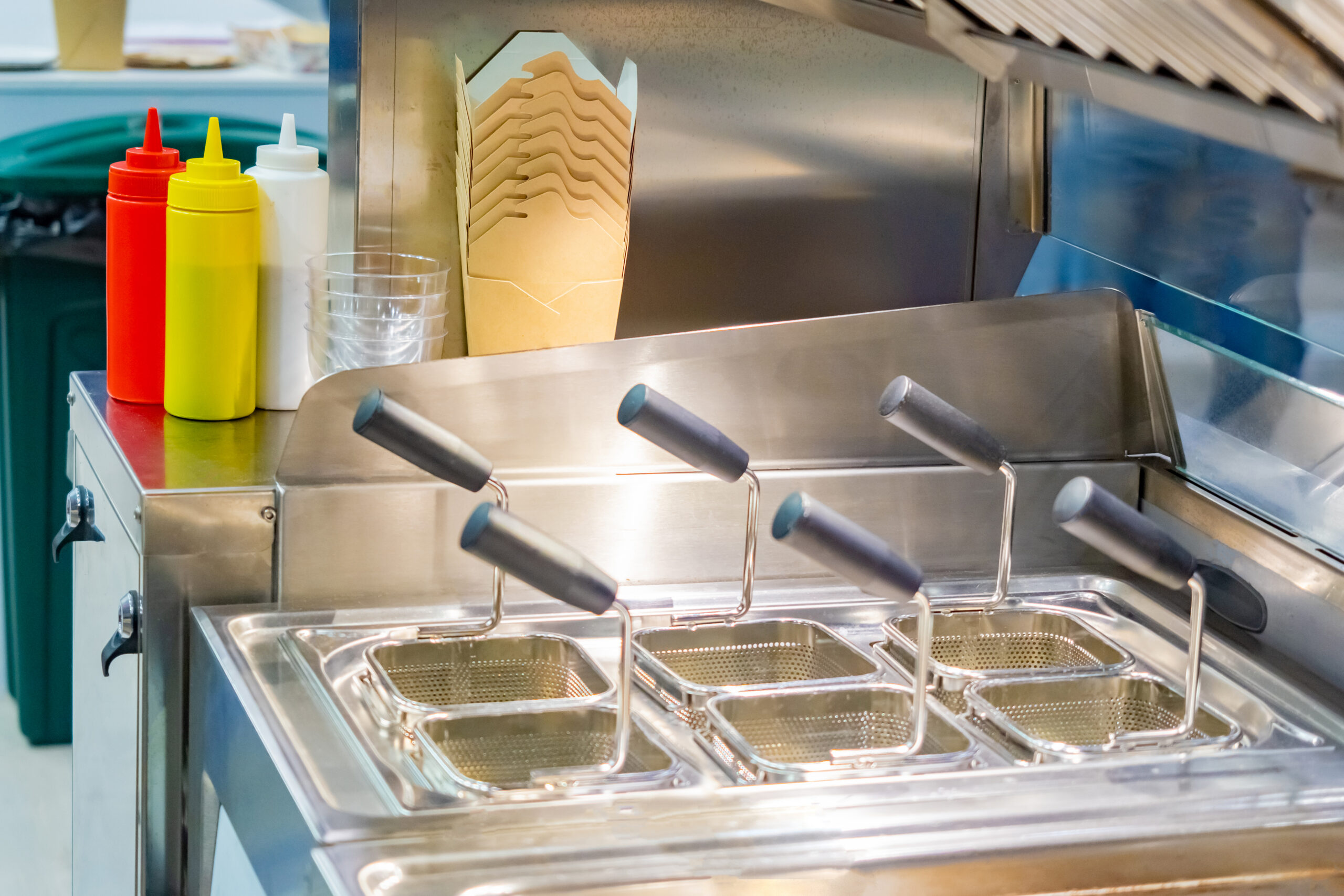
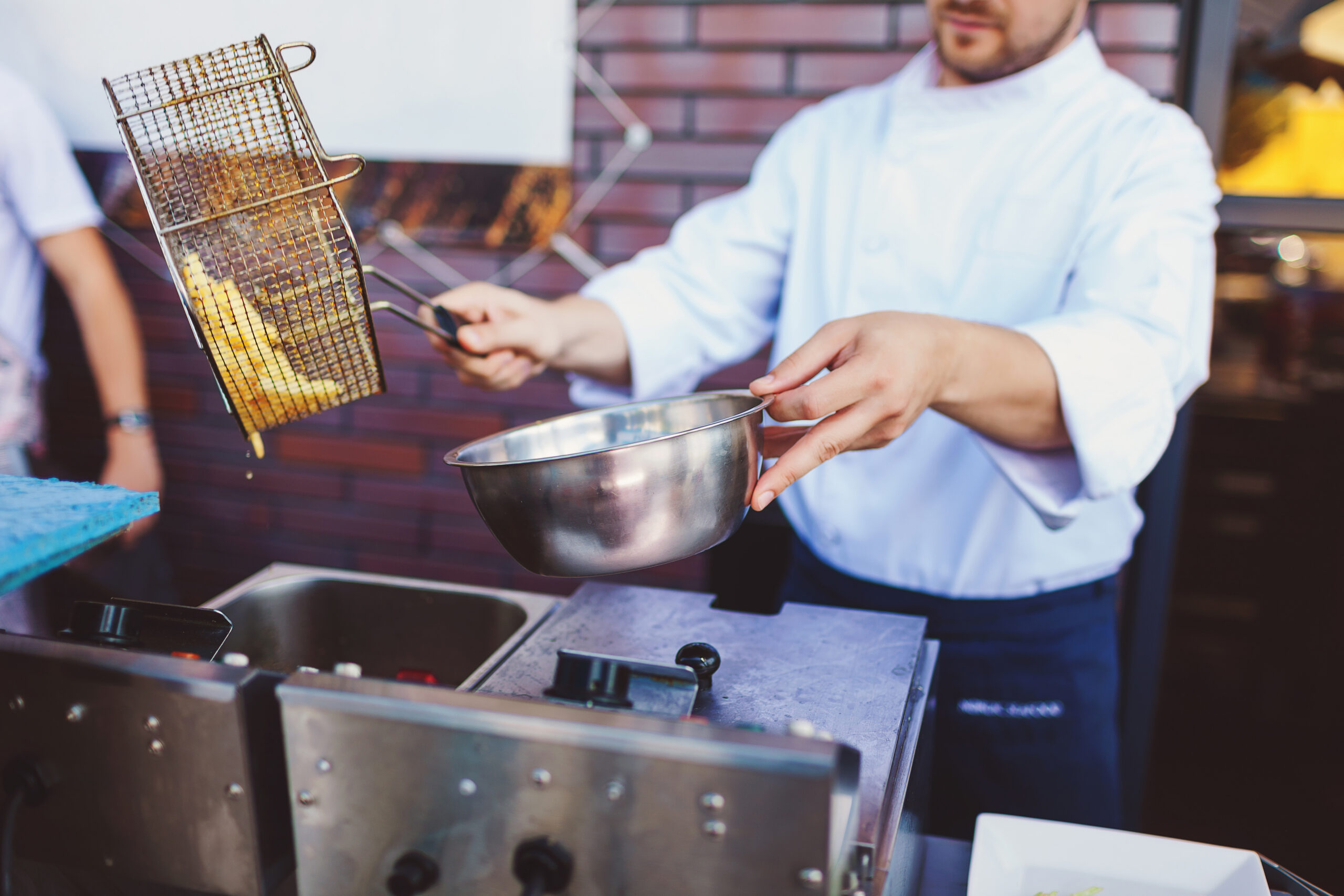
- Cooking oil management with. automated systems, including enclosed tanks, cooking oil filter monitors, and hands-free disposal, eliminate hazards while extending oil life and improving fried food taste.
Benefits of Restaurant Technology Adoption
Investing in restaurant technologies delivers measurable returns across multiple areas of your operation. The benefits extend beyond convenience to directly impact profitability and staff well-being:
- Reduced labor strain: Automation handles repetitive, time-consuming tasks, allowing staff to focus on guest engagement and culinary excellence.
- Improved consistency: Digital monitoring and automated systems eliminate guesswork, ensuring standardized results across locations and shifts.
- Faster service: Streamlined workflows reduce wait times, increasing table turns and customer satisfaction.
- Lower operational costs: Systems that track inventory, reduce waste, and optimize scheduling cut expenses without sacrificing quality. With labor costs representing a median of 36.5% of sales for full-service restaurants, automation delivers measurable savings.
- Enhanced safety: Automated systems remove staff from hazardous tasks, reducing injury risks and associated liability. These tools also help restaurants maintain compliance with health regulations.
Restaurant managers gain real-time visibility through AI-powered analytics that help you make informed decisions. This enables proactive management rather than reactive problem-solving.
Common Challenges With Restaurant Technology
Many restaurants operate with legacy systems that don’t communicate well with newer platforms, while other obstacles include a lack of technical talent and skills, concerns about compliance with regulations, and a lack of governance.
- Tech integration complexity ranks among the top challenges of emerging restaurant technology. Without proper integration, your staff ends up managing multiple disconnected tools, negating efficiency gains.
- Onboarding and training requirements can also slow adoption. New hires need time to learn unfamiliar systems, and high turnover rates in the restaurant industry mean this training cycle repeats frequently.
- Hardware reliability affects day-to-day operations. When a POS terminal fails during dinner service or a kitchen display goes offline, the impact ripples across your entire operation.
- Cost concerns also factor into decision-making, particularly for independent operators. While technology investments typically generate long-term savings, the upfront expense can strain tight budgets.
Future Technology Shaping the Restaurant Industry
Restaurant technology trends shaping 2026 point toward increasingly intelligent and autonomous operations. Staying informed about these top trends helps you plan strategic investments.
- AI-powered systems analyze historical data to forecast demand, optimize staffing levels, and recommend menu adjustments based on customer preferences and ingredient availability.
- Robotics continues advancing in both front-of-house and back-of-house applications. Automated food prep stations, delivery robots, and even robotic servers are moving from novelty to practical deployment in select operations.
- Predictive maintenance represents a growing category. Smart sensors monitor equipment performance and alert operators before failures occur, reducing downtime and extending asset life.
- Voice-activated technology and conversational AI are reshaping how guests interact with restaurants. From phone ordering systems to in-restaurant voice assistants, these tools enhance customer interactions while reducing staff workload.
How Restaurant Technologies Supports Restaurant Technology Ecosystems
Within this broader technology landscape, automated cooking oil management addresses one of the most overlooked yet impactful areas of kitchen operations. Restaurant Technologies is serving more than 45,000 commercial kitchens nationwide for the last 25 years, transforming manual cooking oil handling into a clean, automated process.
The Total Oil Management (T.O.M.) solution operates through an enclosed, closed-loop system that handles fresh oil delivery, filtration monitoring, and used cooking oil disposal. This eliminates the need for your staff to lift heavy JIBs, manage messy rendering tanks, or risk burns from hot oil transfers.
Web-based monitoring through the T.O.M. Portal provides real-time visibility into filtration activity and oil usage across locations. This data helps you maintain consistent food quality, reduce waste, and lower costs, all without adding complexity to daily workflows.
Used oil pickup and recycling complete the closed-loop process. Drivers pump out used oil during each service, transporting it to refinery partners who convert it into biofuel.
Modernize Operations With the Right Technology
Integrating the right technology is no longer a choice for restaurants but a fundamental requirement for modern operations. From POS systems and inventory management to kitchen automation and AI-powered forecasting, the right tools help you streamline operations, reduce waste, and enhance the customer experience across full-service restaurants and quick-service concepts alike.
For back-of-house operations, automated cooking oil management represents a proven solution trusted by busy kitchens nationwide. Restaurant Technologies delivers dependable automation that helps improve safety, efficiency, and food quality. This frees your staff from one of the hardest jobs in the kitchen while supporting sustainability through used oil recycling.
Sources:
- National Restaurant Association. State of the Restaurant Industry 2025. https://restaurant.org/research-and-media/research/research-reports/state-of-the-industry/.
- Deloitte. AI in restaurants. https://www.deloitte.com/us/en/insights/industry/retail-distribution/ai-in-restaurants.html#adoption.
- Centers for Disease Control and Prevention. Facts About Food Poisoning. https://www.cdc.gov/food-safety/data-research/facts-stats/index.html.
- National Restaurant Association. Restaurant labor costs are well above historical averages. https://www.restaurant.org/research-and-media/research/restaurant-economic-insights/analysis-commentary/restaurant-labor-costs-are-well-above-historical-averages/.
- Deloitte. AI in restaurants. https://www.deloitte.com/us/en/insights/industry/retail-distribution/ai-in-restaurants.html#challenges