
Where Workflows Break Down
Even small disruptions behind the line can create ripple effects across a shift. Here’s a look at the most common sources:
Oil changes mid‑rush pull cooks off the line
When a cook is asked to drain, filter or dispose of oil during dinner service, they step away from cooking. That simple interruption may delay several orders, slowing down ticket times and raising stress levels.
Equipment downtime from oil quality issues
Untreated oil can lead to buildup and carbon deposits in fryers. That can negatively impact performance or even trigger equipment shutdowns during peak service.
Multi‑step disposal processes
Moving oil jugs, filtering, sealing containers and calling for pickup typically takes time and creates trip hazards. Heads-down kitchen staff have to pause other tasks to complete it.
Inconsistent oil handling equals uneven food output
If oil is filtered too early or late, the result is inconsistent color, flavor and texture. These variations quickly become guest complaints.
The Hidden Cost of “The Way We’ve Always Done It”
Learning the hard way that old habits cost more than they appear is never ideal. Consider these compounding effects:
- Five minutes spent on manual oil tasks may add up to 30 minutes of delay across orders
- Mid‑service distractions can create slower ticket times and bottlenecking
- Staff frustration may rise when timers get missed and quality slips
- Clean-up can be slower after a messy disposal
- Worn‑out fryer parts may drive higher repair costs and abbreviated equipment life
These small issues can impact kitchen speed, increase stress and hit the bottom line in a noticeable way.
How Inefficient BOH Workflow Impacts Guest Experience
The back of the house often sets the tone for the whole operation. When bottlenecks pile up, they can show up front:
Longer ticket times
Slow multitasking means appetizers may be delayed, entrees can get cold and guests are waiting longer
Inconsistent food quality
Unfiltered oil can create greasy fries, spotting in fried foods and unpredictable flavor
Reduced customer loyalty
Delayed food, off-color dishes and repeated excuses often can often drive guests to competitors
Strained front‑of‑house
Servers and hosts feel the pressure when the kitchen slips behind, which can further reinforce poor morale
Smooth BOH makes service feel effortless. Cluttered BOH can show up in every guest interaction.
Streamlining BOH with Automation
A smarter kitchen backend doesn’t necessarily require rewriting the playbook. Automation can resolve many BOH choke points:
Hands‑free oil management
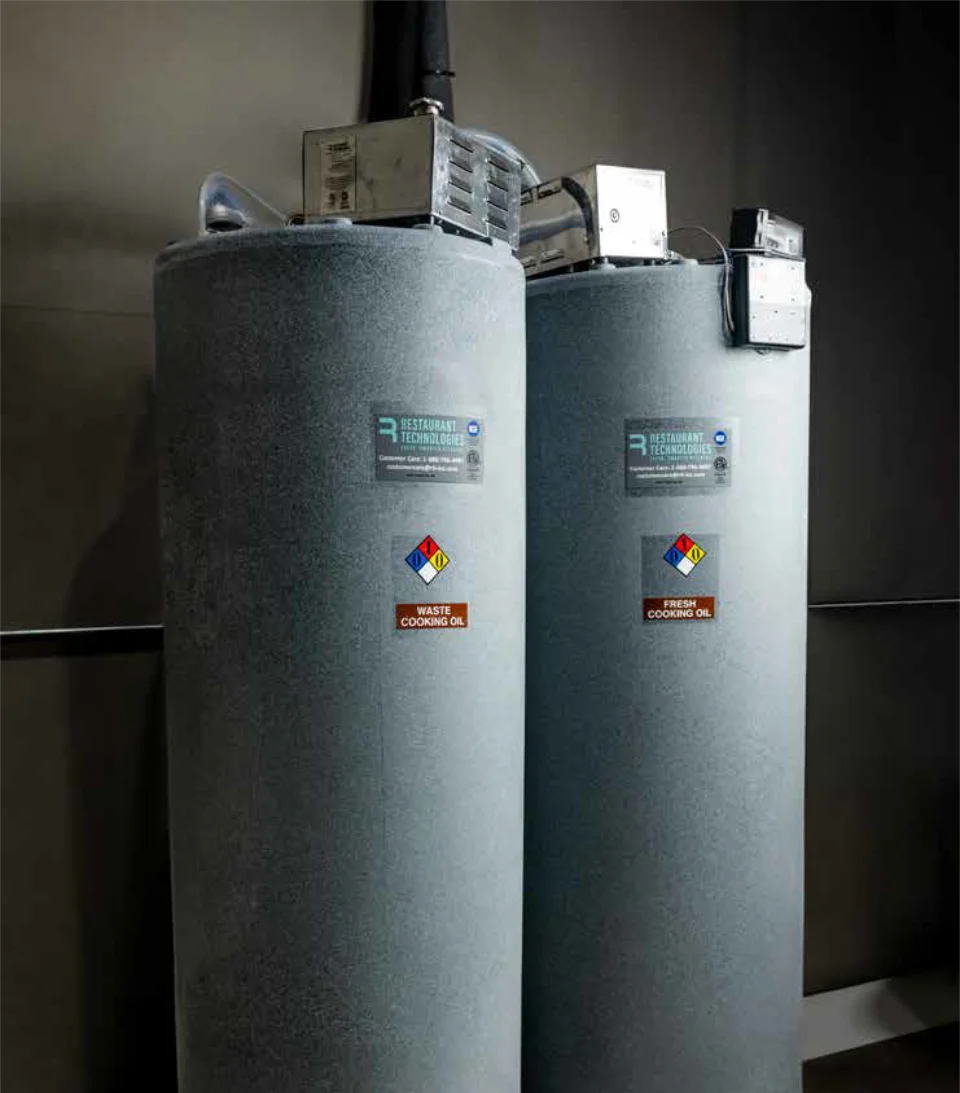
Automated oil management solutions can help eliminate one of the most disruptive back-of-house tasks: fryer oil handling. An automated system helps filter, remove, and replenish oil in the background, keeping your staff focused on food quality and speed of service. With added tools like remote monitoring dashboards, operators can track performance and identify friction points across locations.
Background filtration and disposal
These systems collect used oil at scheduled times, keeping it off the line and out of the way.
Real‑time dashboards
Operations leaders can compare fryer performance, oil replacement trends and cleaning status without walking into every kitchen
Automated systems can reduce breaks, remove seat-of-the-pants guesswork and free cooks to focus on service.
Quick Wins for Ops Teams
Here are a few practical steps to start improving today:
- Run a shift-time study. Track how often cooks are pulled off line and what tasks disrupted them.
- Measure ticket time before and after automation. A potential 30-second improvement per ticket could help save thousands each month.
- Create a friction watch list. Ask your team what small processes slow them down.
- Empower kitchen leads to fix repeat pain points immediately.
- Share data on ticket speed or oil use daily to encourage small wins.
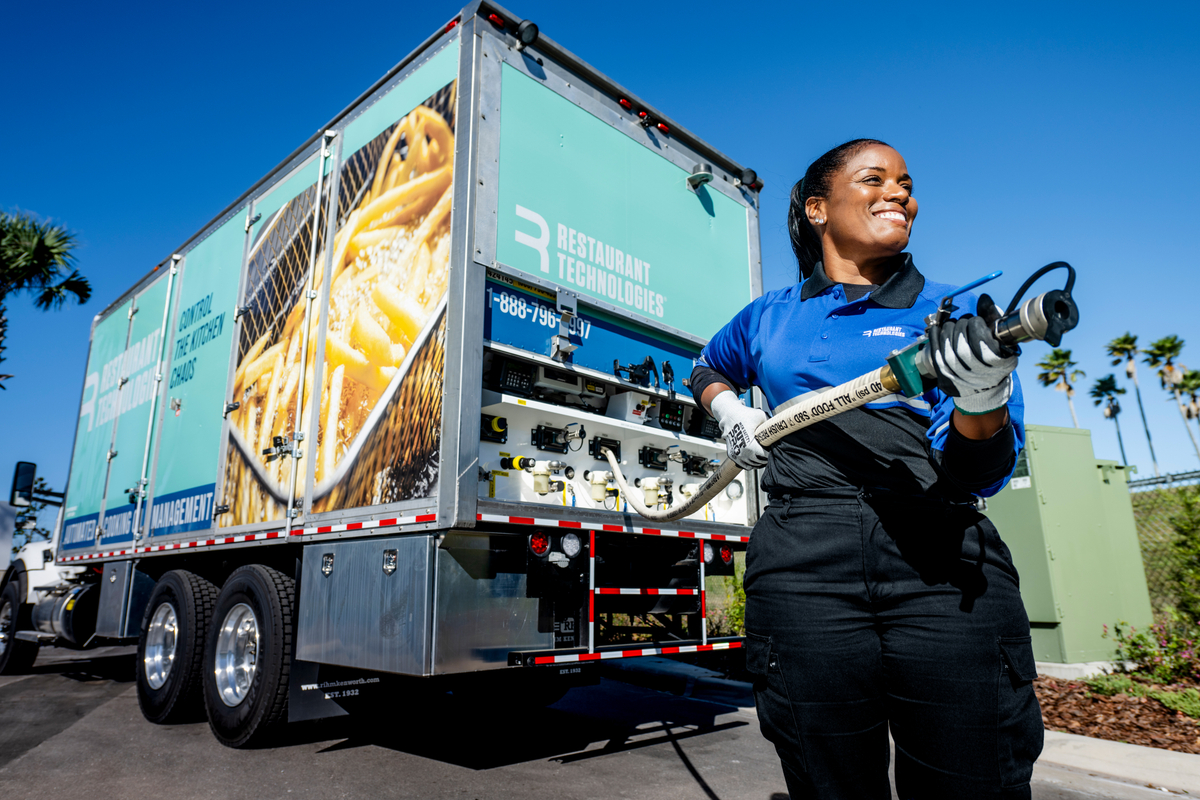
Many operators start by automating oil management with Restaurant Technologies. A low-lift change can help result in a fast impact on workflow, safety, and staff morale.
A Friction Audit Checklist
Try asking yourself these questions to help track problems during a shift:
| Question | Yes | No |
| Are cooks leaving the station for oil tasks? | ☐ | ☐ |
| Has fryer quality created repeat orders? | ☐ | ☐ |
| Do you track how much time is spent on disposal? | ☐ | ☐ |
| Is cleaning or unpacking spilling into rush hours? | ☐ | ☐ |
| Are managers alerted when oil quality dips? | ☐ | ☐ |
If you find yourself checking several of these boxes, it may be a sign that your workflow could use some fine-tuning.
The Cumulative Cost of BOH Delays
Even a 60-second delay during peak hours matters1:
- A 10-ticket delay per service = 10 minutes of lag
- Five-seat decline in throughput = $200 less per hour
- Across a year, that adds up to tens of thousands in lost sales
Add in staff stress, increased turnover and poor food quality and the long‑term cost becomes even more serious.
Real‑World Results
Operations pilots paint a vivid picture:
- One Midwest sandwich chain trimmed ticket time by 15% by automating fryer oil.2
- A regional chicken brand eliminated mid-rush oil runs, cutting injuries and delays.3
- Managers report improved line flow and higher morale when disposable messes go away.
Automation does not remove human judgment, but it can remove low‑value friction.
Building Trust and Stability Across Locations
Consistency matters. When staff at each location use the same processes and tools:
- They know what to expect each shift
- Managers can compare performance reliably
- Training and SOPs get easier to teach
Automation supports trust by eliminating uneven practices with predictable tools.
Quick Wins to Implement Today
Start with these steps:
- Identify the top two process pain points behind the line; oil handling is a common example
- Pilot an automated oil system in one kitchen
- Track the impact on ticket time and staff feedback
- Visit the kitchen five days after implementing a change to observe how the team is adjusting. Identify any new bottlenecks and make small tweaks to improve the workflow.
Small, smart change can build momentum.
Final Thoughts
Behind‑the‑line flow is the heart of operational success. Busy kitchens can run smoothly when friction is managed and consistency is achieved. Automation is not about replacing staff, but removing unwelcome tasks so your team can focus on cooking great food.
Ops leaders who start building trust and flow into their systems will see immediate benefit in speed, morale and customer satisfaction.
Explore More Resources
- Download our BOH Efficiency Checklist for managers
- Learn how automated systems work from friendly industry experts
- See real case stories of kitchens dramatically improving line flow
Ready to reduce friction behind the line? Explore how Restaurant Technologies’ oil automation systems can help your team work smarter, safer, and faster—without sacrificing quality.
Frequently Asked Questions
What are common workflow issues in restaurant kitchens?
Workflow issues often include poorly timed oil changes, inconsistent food prep routines, delayed waste disposal, and outdated manual processes. These bottlenecks might seem small, but over time, they lead to slower ticket times, reduced throughput, and lower team morale. Automation can ease the burden by streamlining repetitive, high-risk tasks and keeping staff focused on cooking and service.
How can automation improve back-of-house efficiency?
Automation reduces the time spent on manual, repetitive tasks like oil disposal, filtration, and fryer maintenance. By removing these pain points, teams can stay on the line longer, focus on consistency, and avoid unnecessary safety risks. It also means fewer service interruptions, lower equipment failure rates, and faster onboarding for new staff.
Why is fryer oil management such a common slowdown?
Manual oil handling is one of the most disruptive tasks in a kitchen. It requires staff to leave their stations, handle hot equipment, and manage waste, often during peak hours. Poor oil maintenance can also lead to food quality issues or equipment breakdowns. Automated oil systems solve this by filtering, disposing of, and replenishing oil in the background, with minimal input from the team.
How do I know if my kitchen workflow needs improvement?
If you frequently see ticket times lag, staff stepping away during service, or rising equipment issues, it may be time to assess your workflow. Running a shift-time study can highlight which tasks are causing friction. Look for common patterns across locations, especially during rush periods. Simple changes, like automating oil handling, can make a big impact without overhauling your entire operation.
Sources:
- Wansink, Brian, and Koert Van Ittersum. Fast Food Restaurant Drive-Thru Performance Study. Columbia Business School, 2012. https://business.columbia.edu/sites/default/files-efs/pubfiles/5373/customer_wait_fastfood.pdf
- Fast Casual. Case Study: Automated Oil Management Solution Reduces Costs, Increases Safety. https://www.fastcasual.com/articles/case-study-automated-oil-management-solution-reduces-costs-increases-safety
- Restaurant Technologies. Krispy Krunchy Chicken Cooking Oil Case Study. https://www.rti-inc.com/krispy-krunchy-chicken-study/