

Why Sustainability Matters for Fast-Casual Restaurants
Sustainability in restaurants is no longer just a trend—it’s an expectation. But what does sustainability really mean for a restaurant? At its core, sustainability in the food industry refers to operating in a way that minimizes environmental impact while maintaining efficiency and profitability. This includes reducing waste, sourcing responsibly, conserving energy and water, and implementing eco-friendly kitchen practices. For restaurant owners, sustainability isn’t just about being “green”—it’s about making smarter choices that benefit both the business and the environment in the long run.
Restaurant-goers—especially Millennials and Gen Zs—indicate they want more health-conscious, sustainable options when dining out, and expect their food to be sourced locally, perhaps even hyper-locally, and with minimal waste (National Restaurant Association). This shift is influencing how fast-casual restaurants approach everything from ingredient sourcing to waste reduction and kitchen operations.
Beyond customer preference, sustainable kitchen practices help reduce waste, lower operational costs, and improve brand reputation. Implementing green initiatives doesn’t just help the environment—it also boosts efficiency and enhances long-term profitability for fast-casual businesses.
Practical Ways to Make Your Kitchen More Sustainable
Sustainability in a fast-casual restaurant starts in the kitchen. Reducing waste, conserving resources, and optimizing daily operations can create a more efficient and environmentally friendly business. While large-scale changes—such as redesigning a restaurant for energy efficiency—may not be feasible for every business, small, practical adjustments can still significantly reduce environmental impact and operating costs. The key is to integrate sustainability into everyday routines without disrupting kitchen efficiency.
By focusing on smarter oil management, energy-efficient equipment, and waste reduction strategies, restaurant owners can lower their environmental footprint while improving profitability. Automated solutions—such as oil filtration systems and smart storage options help reduce labor costs, prevent unnecessary waste, and enhance safety. Additionally, sourcing ingredients from local suppliers, tracking food inventory more closely, and training staff on eco-friendly kitchen practices can further support a greener, more cost-effective operation. Sustainable practices don’t just benefit the planet—they streamline operations, cut expenses, and appeal to the growing number of consumers who prioritize eco-conscious dining choices.
Reduce Oil Waste with Smart Filtration & Recycling
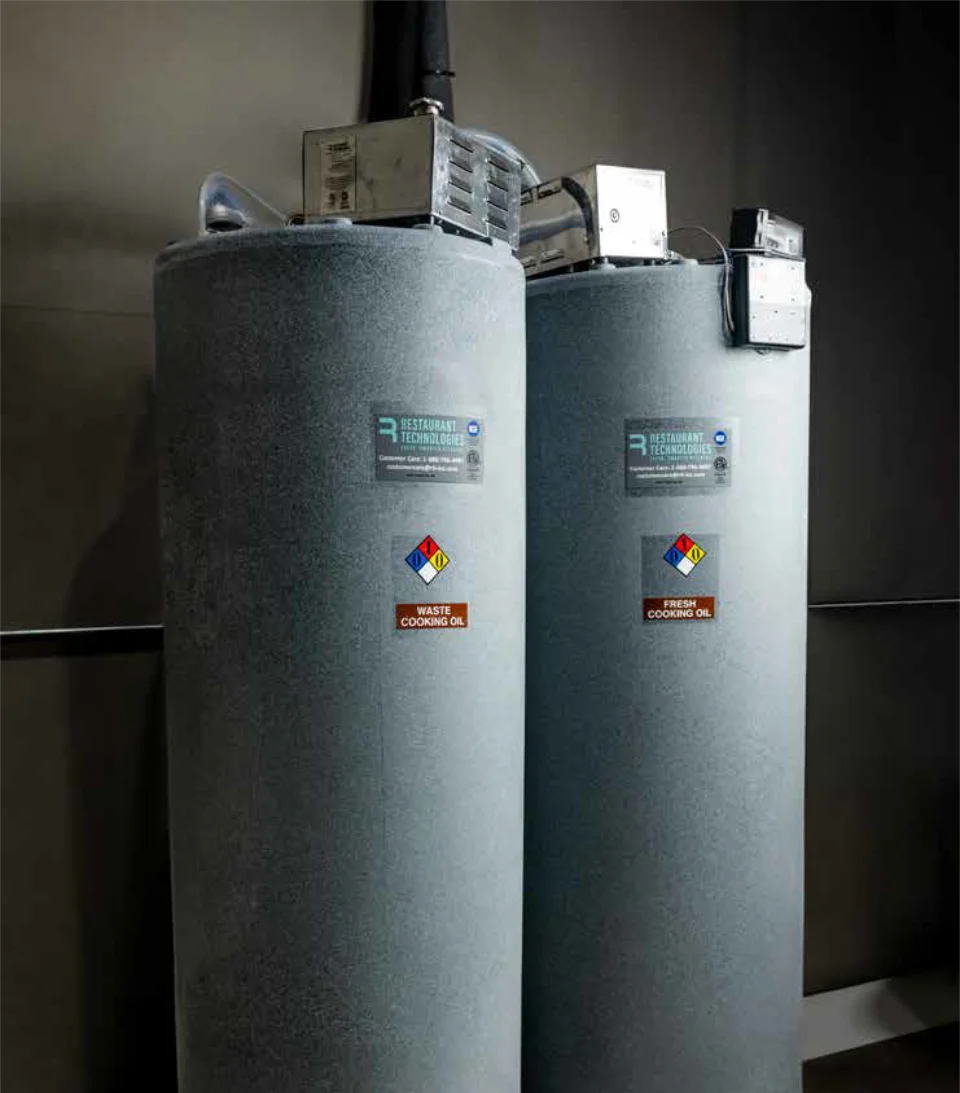
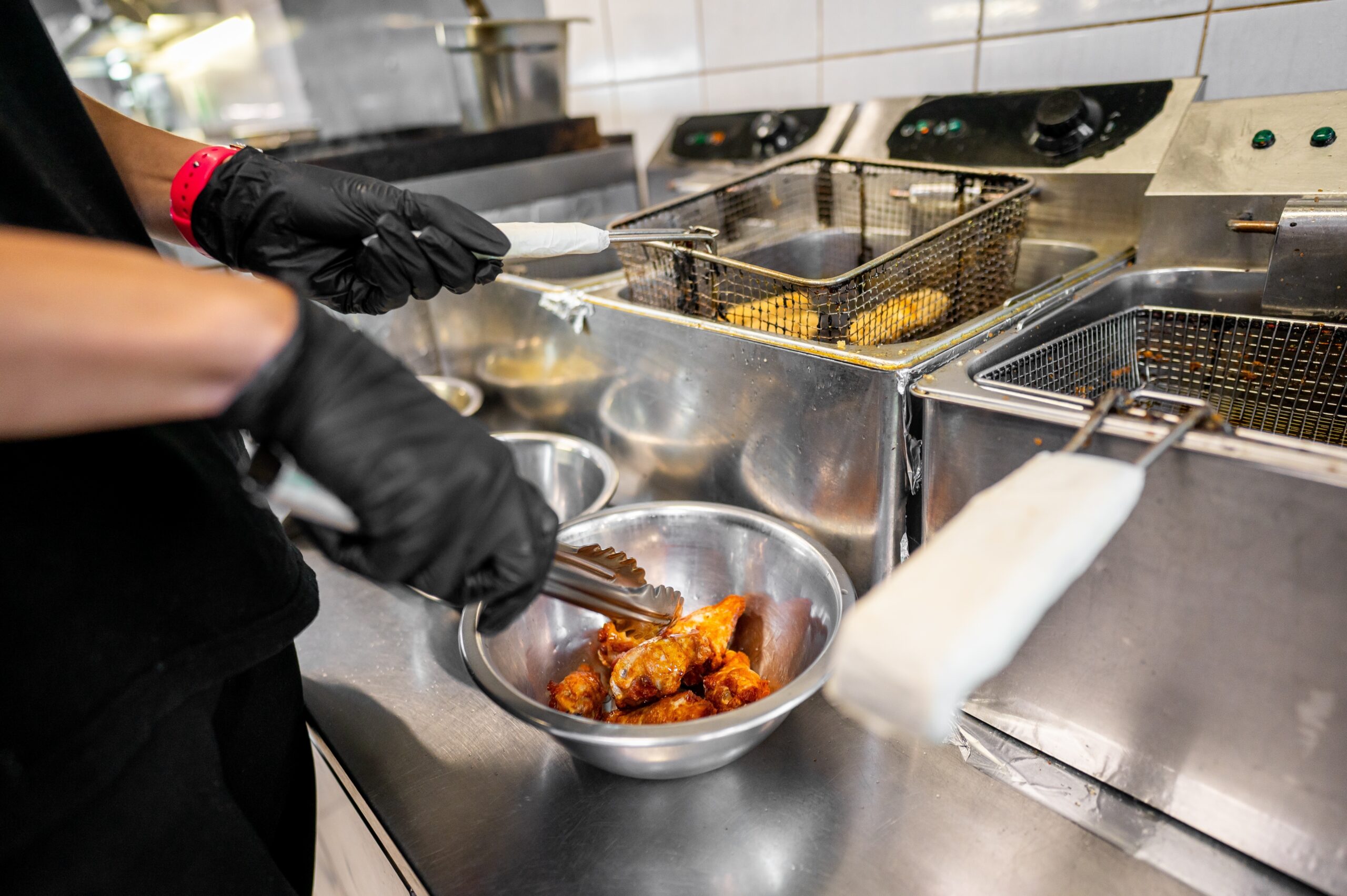
Cooking oil is a major operational expense in fast-casual restaurants. Proper management of fryer oil can extend its lifespan, reduce waste, and lower costs.
- Automated oil management systems help track oil usage, ensuring it’s replaced at the optimal time—neither too soon nor too late.
- Filtration systems remove food particles and extend oil life, reducing the amount of oil a restaurant needs to buy.
- Recycling used oil into biodiesel gives waste oil a second life while minimizing environmental impact. This practice helps reduce greenhouse gas emissions and prevents oil from being improperly disposed of in drains or landfills.
By integrating cooking oil management for QSRs, fast-casual restaurants can implement a closed-loop oil recycling process, eliminating waste while ensuring cleaner, higher-quality frying oil.
Implement Energy-Efficient Kitchen Equipment
Fast-casual kitchens rely on high-powered equipment that consumes large amounts of energy. Switching to energy-efficient alternatives can reduce a restaurant’s carbon footprint, lower utility costs, and enhance overall efficiency without compromising performance. Investing in the right equipment can lead to long-term cost savings while making operations more sustainable.
- Invest in low-energy fryers that heat up faster and use less oil while maintaining optimal frying conditions. These fryers reduce waste, improve consistency, and lower energy consumption compared to traditional models.
- Use LED lighting instead of traditional bulbs—LEDs consume up to 75% less energy and last 25 times longer than incandescent bulbs, significantly reducing maintenance and electricity costs.
- Opt for ENERGY STAR®-rated refrigerators, ovens, and dishwashers, which use less electricity and water while maintaining high performance. Refrigeration alone accounts for a major portion of energy use in a restaurant, so choosing an efficient model can dramatically cut costs.
- Install smart thermostats and demand-controlled ventilation systems that adjust airflow and temperature based on real-time kitchen activity, reducing unnecessary energy usage.
- Use induction cooktops for certain menu items—these cooktops heat faster and more precisely while using significantly less energy than gas or electric stovetops.
Many state and local programs offer incentives for restaurants that invest in energy-efficient appliances, helping offset initial costs. By adopting smart kitchen technology, fast-casual brands can reduce overhead expenses, enhance food quality, and meet sustainability goals—all while improving operational efficiency.
Minimize Food Waste & Improve Supply Chain Sustainability
Food waste is one of the biggest sustainability challenges for fast-casual restaurants, but proactive strategies can significantly reduce waste while improving operational efficiency. By adopting smarter portion control, refining inventory tracking, and optimizing ingredient sourcing, restaurants can minimize excess waste and cut unnecessary costs.
- Implement Smarter Portion Control – Training kitchen staff on consistent portioning helps reduce over-serving and excess food waste. Investing in pre-portioned ingredients or measuring tools can further ensure that each dish is made to specification, preventing unnecessary food loss.
- Improve Inventory Tracking & FIFO (First In, First Out) Systems – Utilizing inventory management software ensures ingredients are used before they expire. FIFO methods help prioritize older stock, reducing spoilage and optimizing purchasing decisions.
- Source from Local & Ethical Suppliers – Locally sourced ingredients reduce transportation-related emissions and often provide fresher, higher-quality products. Choosing suppliers that emphasize sustainable farming, organic practices, and humane sourcing aligns with both consumer expectations and environmental responsibility.
- Repurpose Ingredients to Reduce Waste – Instead of discarding food scraps, kitchens can find creative ways to use vegetable peels, bones, and trimmings for soups, stocks, or composting. Some restaurants are even turning food waste into value-added products, such as sauces or fermented goods.
- Partner with Food Rescue & Donation Programs – Even with the best planning, some food waste is inevitable. Instead of throwing away surplus meals and unspoiled ingredients, restaurants can work with local food banks and nonprofits to donate food to underserved communities. Organizations like Feeding America, Food Rescue US, and local shelters often facilitate safe, legal food donation partnerships that comply with regulations like the Bill Emerson Good Samaritan Food Donation Act.
- Compost Food Scraps When Possible – If donation isn’t an option, composting is an excellent way to reduce landfill waste. Many cities now offer composting programs, and some waste management services collect organic waste for responsible disposal.
By combining these strategies, fast-casual restaurants can reduce food waste, support their communities, and improve supply chain sustainability, creating a more environmentally and socially responsible business.
How Restaurant Technologies Helps Restaurants Go Green
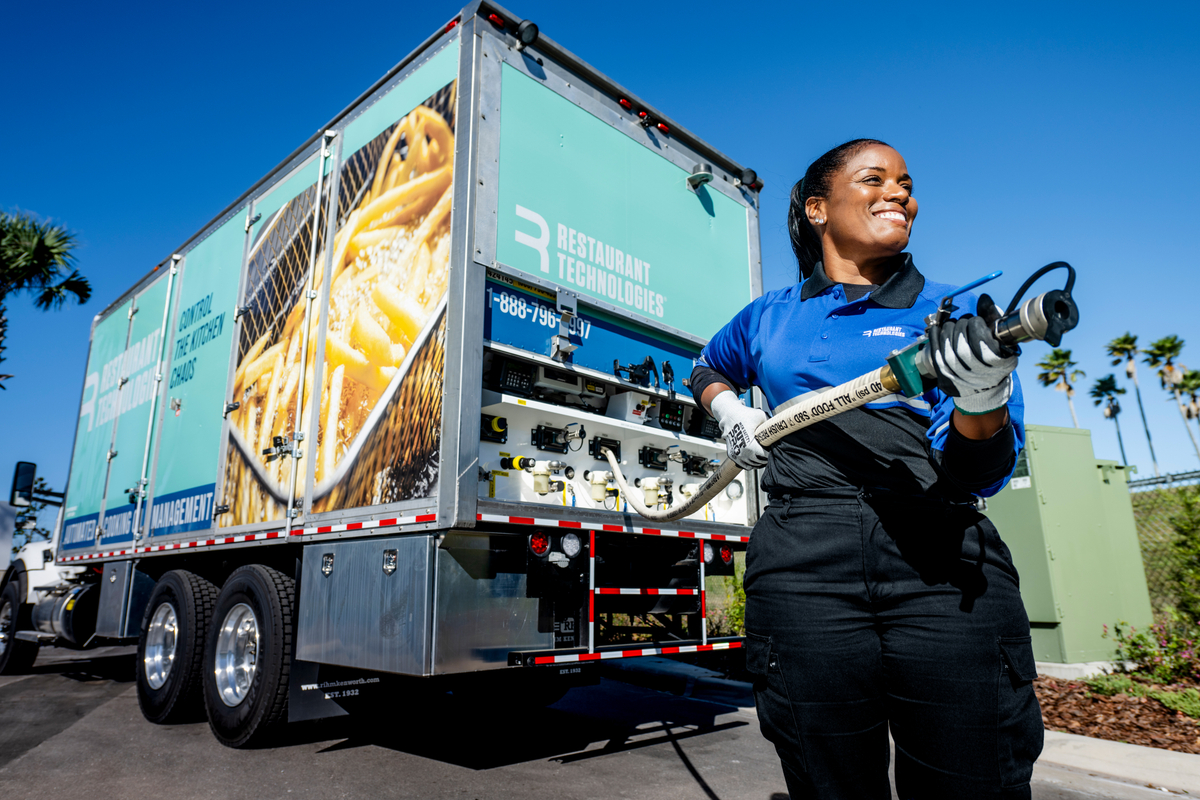
Implementing sustainable kitchen practices is easier with the right technology. Restaurant Technologies offers industry-leading solutions to help fast-casual restaurants reduce waste, improve efficiency, and maintain a cleaner, greener kitchen.
By integrating automated systems, restaurants can streamline sustainability efforts without adding extra labor burdens to their staff.
Take the First Step Toward a More Sustainable Kitchen
Fast-casual restaurants have a unique opportunity to lead the way in sustainable dining. By reducing oil waste, improving energy efficiency, and cutting food waste, operators can enhance brand reputation, lower costs, and appeal to eco-conscious customers.
For fast-casual brands looking to improve sustainability without sacrificing efficiency, Restaurant Technologies provides customized solutions to make it happen.
Contact us today to learn how we can help your restaurant go green with automated oil recycling solutions!
Sources:
Touch Bistro. How to Reduce Food Waste in Restaurants. https://www.touchbistro.com/blog/how-to-reduce-food-waste-in-restaurants/
Webstaurant Store. 10 Tips for Conserving Energy in Your Restaurant. https://www.webstaurantstore.com/article/141/energy-conservation-tips-for-restaurants.html
National Restaurant Association. Sustainability, Health, and Variety Top List of 2025 Macro Trends. https://restaurant.org/education-and-resources/resource-library/sustainability,-health-and-variety-top-list-of-2025-macro-trends/#:~:text=Primarily%2C%20restaurant%2Dgoers%E2%80%94especially%20Millennials%20and%20Gen%20Zs%E2%80%94indicate%20they,perhaps%20even%20hyper%2Dlocally%2C%20and%20with%20minimal%20waste.&text=%E2%80%9CThey’re%20demanding%20that%20more%20restaurants%20engage%20in,practices%20and%20that%20operators%20meet%20that%20expectation.
Nestle Professional. Step Up Your Restaurant Sustainability. https://www.nestleprofessional.us/trend-reports-white-papers/step-your-restaurant-sustainability