
Technology for restaurants is no longer optional. Operators who adopt automation, AI-driven insights, and back-of-house innovations gain measurable advantages in efficiency, safety, and food quality.
This article covers five key restaurant industry technology trends shaping modern operations. You’ll learn how digital-first guest experiences, kitchen automation, predictive analytics, and data-driven tools help you reduce costs, improve consistency, and stay competitive in a rapidly evolving industry.
Why Technology Trends Matter in the Restaurant Industry
Evolving technology is reshaping every aspect of how restaurants operate, and how guests engage. As digital tools become more accessible, customer expectations shift accordingly. Today’s diners expect fast, flexible, and personalized experiences powered by mobile ordering, real-time updates, and seamless payments.
For operators, keeping pace with these trends is critical. Commercial kitchen technology drives operational efficiency, automating repetitive tasks, streamlining workflows, and reducing errors across both front and back of house. It enables teams to do more with less, especially vital in an environment facing labor shortages and rising costs.
5 Key Restaurant Industry Technology Trends
The restaurant industry is experiencing rapid transformation driven by automation, AI, and data-driven tools. 76% of operators say using technology gives them a competitive edge, and many believe their restaurants could do more to keep up on the tech front. Understanding the different types of restaurant technology and these emerging restaurant technology trends helps you make informed decisions about where to invest:
- AI-powered tools: Artificial intelligence handles demand forecasting, personalized marketing, and customer service through AI chatbots and virtual assistants.
- Back-of-house automation: Systems that automate repetitive tasks free your staff to focus on higher-value work.
- Predictive analytics: Data-driven insights help you optimize inventory management, reduce waste, and anticipate busy periods.
- Robotics: From food prep to delivery, robotics address labor shortage challenges in high-volume environments.
- Digital ordering platforms: Online ordering and mobile apps have become standard expectations for today’s restaurant guests.
According to the National Restaurant Association, emerging technologies like these are becoming accessible to operations of all sizes, not just enterprise chains.
The Shift Toward Digital-First Restaurant Experiences
Guests increasingly expect mobile ordering, contactless payment options, and real-time updates on their orders. This shift requires you to adopt technology solutions that meet customers where they are. Customers’ favorite tech includes options that make it easier and faster to order and pay:
- Digital menus accessed via QR codes have replaced traditional printed versions in many establishments.
- Self-service kiosk technology allows guests to browse, customize, and pay without waiting for staff assistance, improving customer satisfaction while reducing labor costs.
These tools streamline ordering and delivery workflows, reduce errors, and help restaurants serve more customers during peak hours. The modern restaurant operates as a technology-enabled business where every touchpoint can be optimized.
Kitchen Innovations Driving Efficiency
Back-of-house automation represents one of the most impactful areas of restaurant technology investment. Smart appliances connected through the internet of things provide real-time data on equipment performance, supply chain status, and maintenance needs.
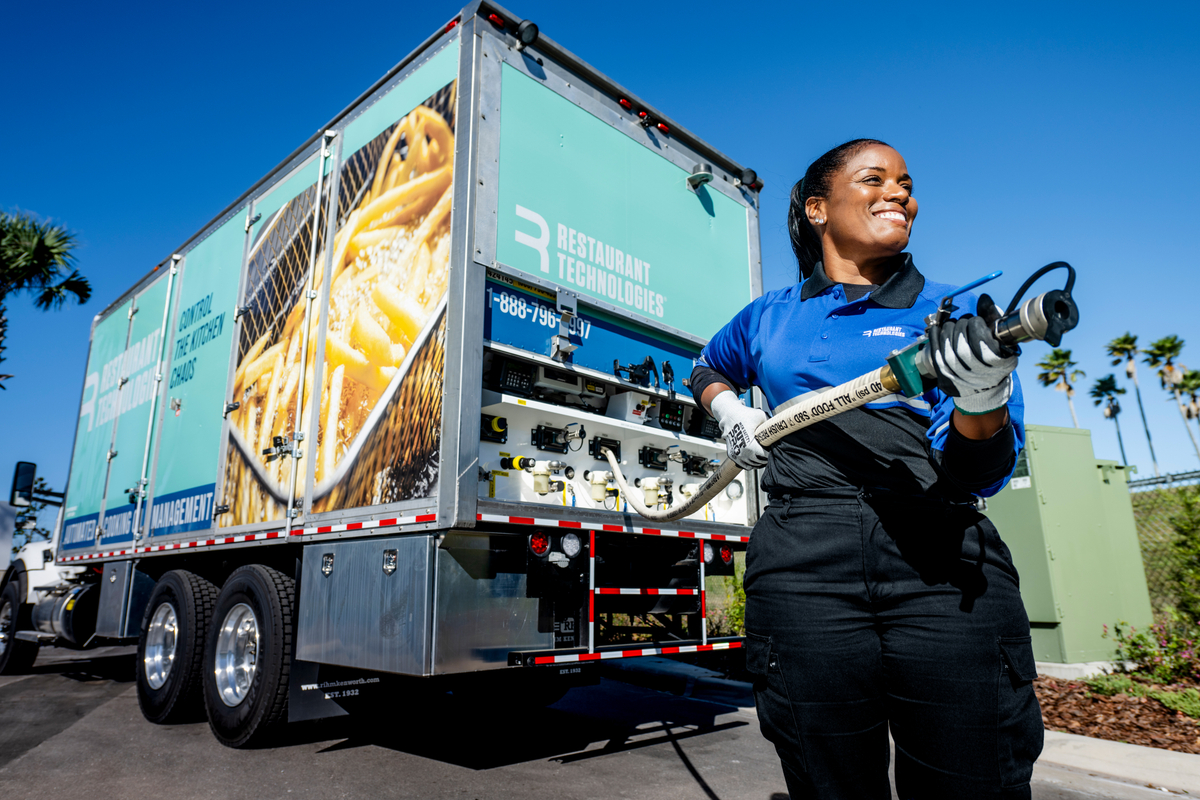
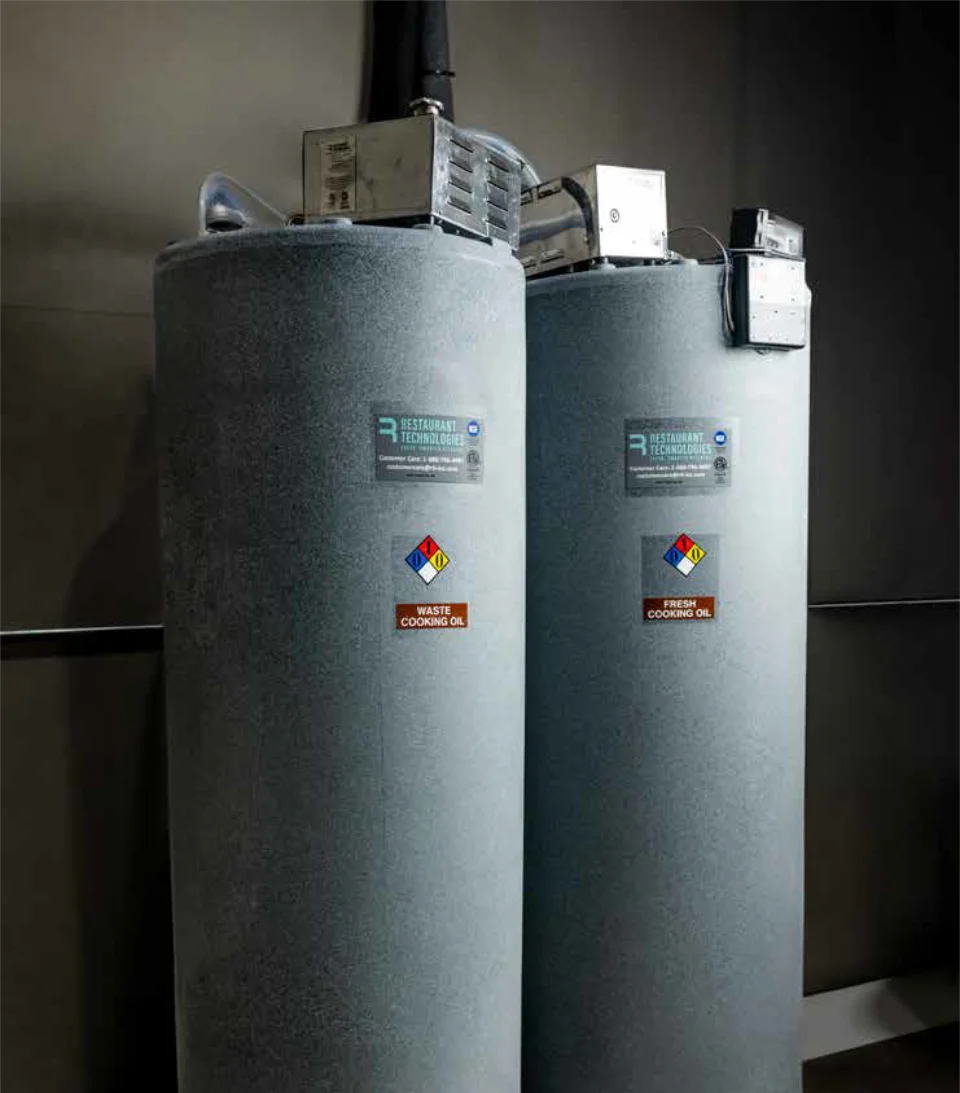
Automated cooking oil management eliminates one of the most labor-intensive tasks in commercial kitchens. This means you no longer need staff to manually handle heavy JIBs, schedule deliveries, or manage hazardous disposal tasks. A cooking oil filtration monitoring ensures that filtration happens on schedule to maintain food quality and extend oil life.
Equipment monitoring systems alert you to issues before they cause downtime, protecting your operations from unexpected disruptions.
Data and AI Transforming Restaurant Decisions
Analytics platforms give restaurant operators unprecedented visibility into their operations. 82% plan to increase AI investments in the next fiscal year, hoping to see benefits in these key areas:
- Improved customer experience (60%)
- Enhanced restaurant operations (36%)
- Optimized loyalty programs (31%)
AI tools analyze customer data to predict trends, personalize promotion campaigns, and automate inventory ordering based on real-time demand patterns. Web-based monitoring dashboards consolidate information from multiple systems into a single view.
Restaurant management software centralizes operations, and this real-time visibility helps you identify problems quickly and make adjustments before they impact service or food quality.
Many restaurant groups now leverage these AI-powered capabilities to standardize operations across multiple locations, ensuring consistency in everything from menu engineering to staff schedules.
How Technology Is Enhancing Guest Experience
Customer experience improvements drive loyalty and repeat visits. Operators use technology in restaurants to improve personalization at scale.
Modern POS systems track customer preferences and purchase history, allowing you to deliver targeted special offers that feel relevant. Table-side ordering devices can also speed up service while reducing errors, letting your servers focus on hospitality rather than order processing.
A well-designed loyalty program powered by your POS system helps you build customer loyalty by rewarding repeat visits. These tools create personalized dining experiences that keep guests coming back and make your restaurant more competitive.
Challenges Restaurant Operators Face With New Tech
Technomic reports that kiosk technology leads to average order increases of 8% higher at quick-service restaurants and 15% higher at fast-casual restaurants. Adopting innovative restaurant technology comes with obstacles you need to plan for in order to implement them successfully:
- High upfront costs: Many restaurant operators hesitate because technology solutions require significant investment before delivering returns.
- Integration complexity: New management software must work with your existing POS, inventory management, and accounting platforms.
- Staff training requirements: Your team needs time and support to adopt new tools effectively.
- Ongoing maintenance: Technology requires updates, troubleshooting, and occasional replacement.
The most successful implementations start with clear goals and realistic timelines. Investing in technology through partnerships with established providers helps you navigate these challenges more smoothly.
How Restaurant Technologies Supports Restaurant Technology Advancements
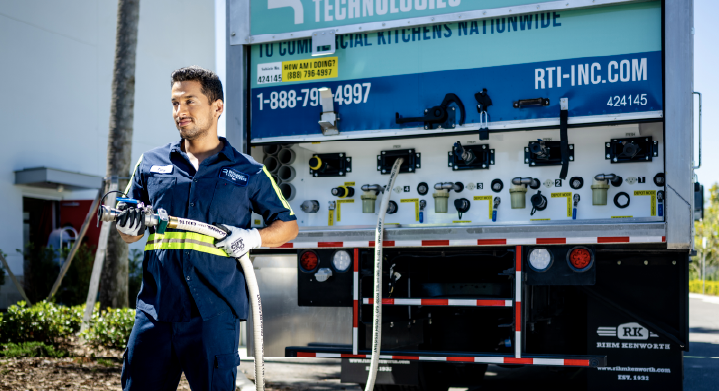
Restaurant Technologies is serving more than 45,000 commercial kitchens, delivering automation that addresses real operational pain points. The company’s Total Oil Management (T.O.M) solution transforms one of the hardest jobs in the kitchen into a clean, hands-free process.
The system includes fresh oil delivery, automated filtration monitoring through the T.O.M. Portal, and safe used cooking oil disposal. Used oil is picked up and converted into biofuel by refinery partners, supporting sustainability without adding complexity for your kitchen teams.
This technology is already proven in thousands of kitchens, where it reduces labor costs, improves safety, and ensures consistent food quality.
Stay Ahead With the Latest Tech Trends
Technology trends in the restaurant industry continue to accelerate. Operators who embrace automation gain lasting advantages in efficiency, safety, and consistency. From AI-powered analytics to back-of-house automation, understanding the future of restaurant technology helps you reduce costs while improving the customer experience.
Restaurant Technologies exemplifies how the right solutions can transform operations. With automated cooking oil management trusted by busy kitchens nationwide, you can eliminate tedious manual tasks and focus on delivering exceptional food and service.
Sources:
- National Restaurant Association. Restaurant Technology Landscape Report 2024. https://restaurant.org/research-and-media/research/research-reports/2024-technology-landscape-report/.
- Deloitte. Deloitte: Restaurant AI Investments Heat Up, But Adoption Still Appears to be on the Back Burner. https://www.deloitte.com/us/en/about/press-room/deloitte-how-ai-is-revolutionizing-restaurants.html.
- Investopedia. Why Ordering Food at a Kiosk Can Be Smooth, Easy—And More Expensive Than You Realize. https://www.investopedia.com/why-ordering-food-at-a-kiosk-can-be-smooth-easy-and-more-expensive-than-you-realize-11716597.