

Growth is exciting. New markets. New teams. New opportunities.
But once a restaurant brand moves beyond a handful of locations, the rules change. What worked when you had two stores often starts to break down at ten. Vendors that once felt reliable may struggle to keep up, and systems that once felt simple reveal their limitations.
Scaling isn’t just about adding square footage. It’s about building an operational foundation strong enough to support expansion without sacrificing safety, consistency, or efficiency.
That’s where choosing partners built for scale becomes critical.
Growth Changes Everything for Restaurant Operators
When you’re operating a small footprint, flexibility can absorb a surprising number of gaps. Managers step in where needed, processes evolve organically, and local vendors handle local demands without much friction.
As the brand grows, however, that flexibility gives way to complexity.
With each new location, you add:
- More employees to train
- More logistics to coordinate
- More standards to enforce
- More risk to manage
What once relied on informal workarounds now requires defined processes and consistent execution across locations. As the footprint expands, differences in vendor performance, service levels, and oversight become more visible and more difficult to control.
At that point, operators have to look beyond menus and marketing and evaluate the full ecosystem supporting the business, from supply partners to back-of-house systems. At scale, inconsistency does more than create inconvenience. It affects labor efficiency, food quality, compliance, and ultimately profitability.
Reason #1: Consistency Becomes Non-Negotiable at Scale
When you operate one location, small inconsistencies are easier to absorb. At twenty locations, those same inconsistencies can begin to affect the brand in noticeable ways.
Guests expect the same experience everywhere, from food quality and execution to safety standards. Maintaining that level of consistency across markets takes more than good intentions. It requires partners who can deliver the same standard of service at every location.
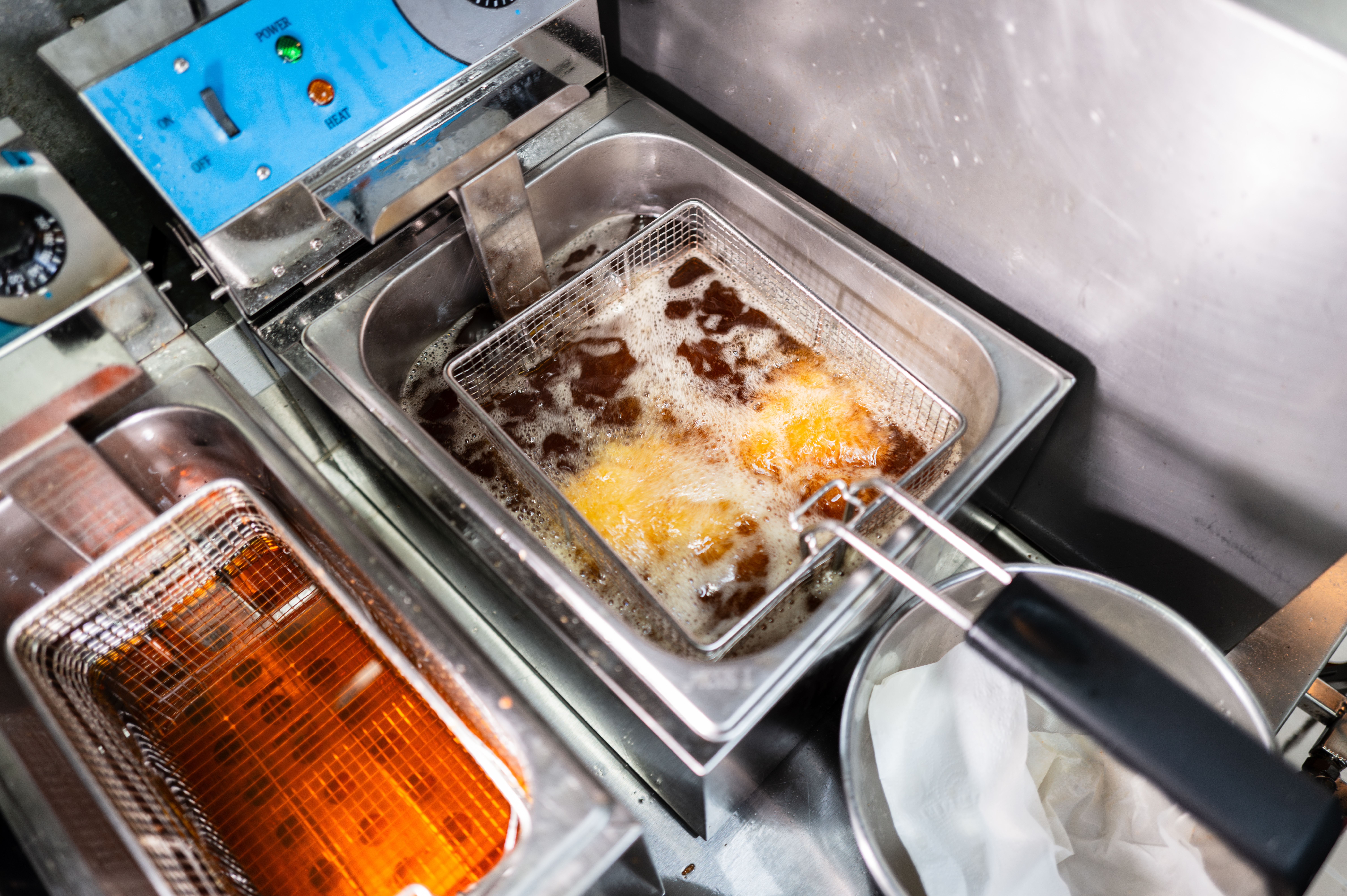
Back-of-house operations make this especially clear. For example, standardized fryer oil filtration practices help ensure oil performance is monitored consistently across locations, supporting food quality and operational control. Without that structure, individual kitchens tend to develop their own shortcuts, and over time those differences become increasingly difficult to manage.
Scalable partners help keep everyone aligned by providing:
- Standardized processes that work the same across locations
- Repeatable workflows teams can depend on
- Clear performance visibility instead of relying on instinct
- Safety practices that stay consistent brand-wide
At scale, consistency becomes essential to protecting both performance and reputation.
Reason #2: Operational Complexity Increases With Every New Location
Each new restaurant adds another layer of coordination behind the scenes. More vendors to manage. More deliveries to schedule. More compliance requirements to monitor. What once involved a few moving parts becomes a network of processes that must work together every day.
As the footprint grows, so does the administrative load. Managers are no longer solving isolated issues. They’re overseeing systems across multiple locations, often with limited visibility into how consistently those systems are executed.
Oil management highlights this shift. At a smaller scale, manual transfers and local disposal arrangements may feel manageable. As locations multiply, differences in delivery timing, storage setups, and disposal practices introduce variability that becomes harder to control. What worked informally at two stores becomes increasingly difficult to coordinate at twelve.
Without structured, scalable systems, reliance on local vendors or manual processes can create unnecessary friction as volume increases.1 As a result, operators spend more time managing logistics and resolving preventable issues. Standardized, automated cooking oil management helps reduce that burden by aligning delivery, monitoring, and safe used oil removal into one coordinated process across the brand.
Reason #3: Growth Demands Reliability, Not Guesswork
As expansion accelerates and timelines tighten, reliability becomes non-negotiable. New store openings operate on strict schedules, franchisees expect consistent support, and investors expect performance. There is little room for uncertainty at this stage.
Reliability at scale means:
- Consistent service execution across locations
- Proactive support that prevents disruptions
- Clear accountability and fewer operational surprises
That level of reliability shows up most clearly in the everyday systems that keep kitchens moving. Cooking oil management is one of them.
Dependable cooking oil delivery that connects directly to your storage tanks keeps supply steady and reduces in-kitchen handling. When fresh oil arrives on schedule and disposal is handled predictably, teams avoid last-minute scrambles, storage challenges, and preventable safety risks that can interrupt service.
Reason #4: National Footprint Supports Smarter Expansion
Expanding into new markets introduces regional complexity, from varying regulations and labor conditions to different operational demands.2
When brands rely on multiple local vendors across those regions, fragmentation often follows. Processes can vary by market. Communication becomes layered. Oversight grows more difficult as each new location adds another moving part.
A partner with a national footprint simplifies expansion by delivering:
- Consistent service execution across markets
- Brand-level visibility and centralized oversight
- Infrastructure built to support new openings
- Coordinated support that scales alongside growth
This level of alignment helps brands maintain control as they grow, whether opening company-owned locations or supporting franchise networks. When a partner’s infrastructure is designed to scale with the brand, expansion becomes more coordinated and easier to manage.
Choosing Partners That Support Long-Term Growth
Sustainable expansion isn’t just about opening doors faster. It’s about building operational systems that hold up as complexity increases and expectations rise. The brands that scale successfully invest in infrastructure that protects consistency, safety, and performance across every location.
Restaurant Technologies partners with multi-location restaurant chains to bring structure to cooking oil management through standardized, closed-loop systems backed by a national service network. By simplifying delivery, filtration, storage, and disposal into one coordinated approach, RTI helps operators reduce friction and maintain control as they grow.
If your brand is expanding, your partners should be built to expand with you. Connect with Restaurant Technologies to see how scalable oil management can strengthen your foundation and support smarter, more confident growth.
Sources:
- Sparkout. How Manual Supply Chain Processes Kill Scalability in Growing Companies. https://www.sparkouttech.com/manual-supply-chain-processes/
- Atlas HXM. How Does Global Expansion Impact Business Operations?. https://www.atlashxm.com/resources/how-does-global-expansion-impact-business-operations