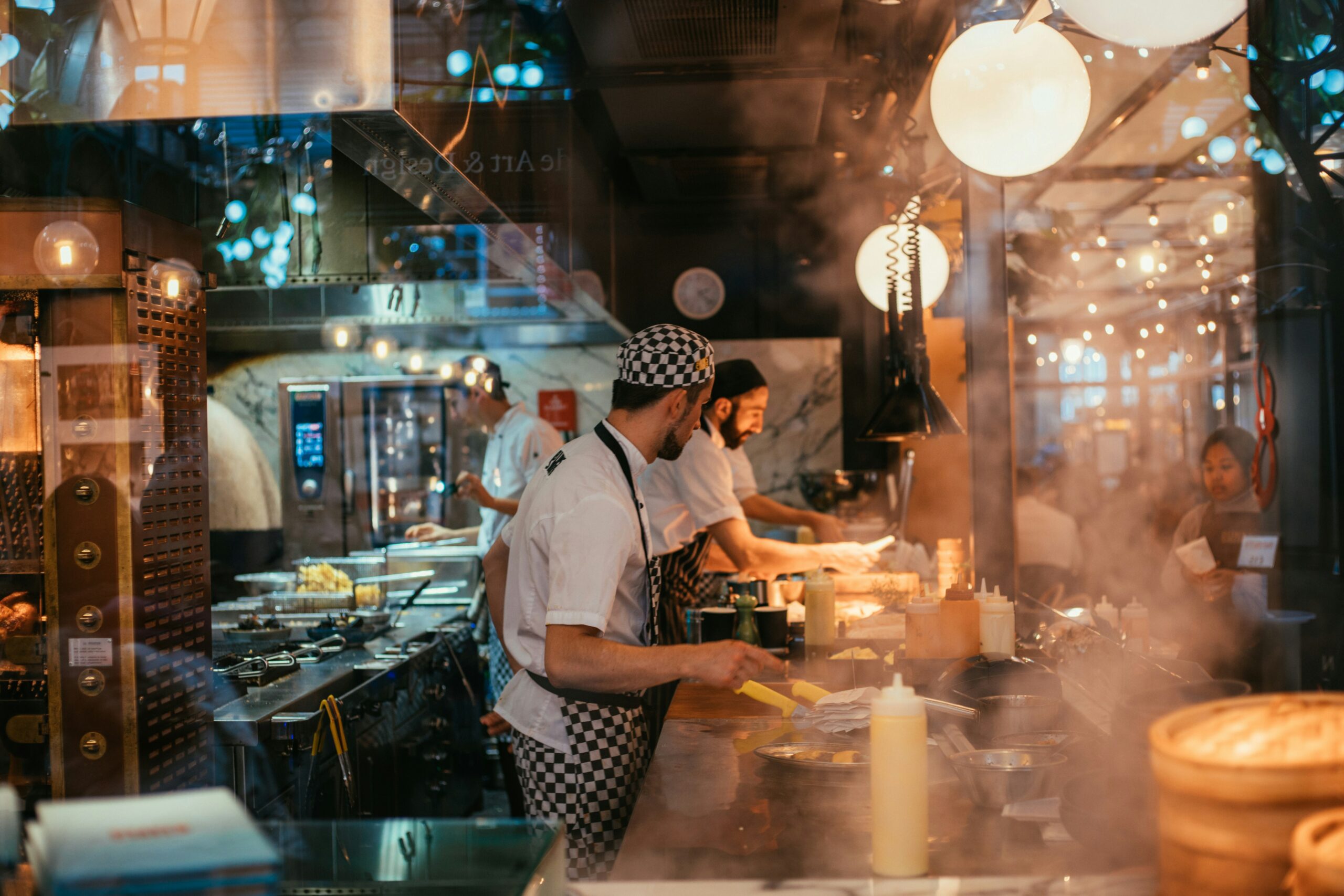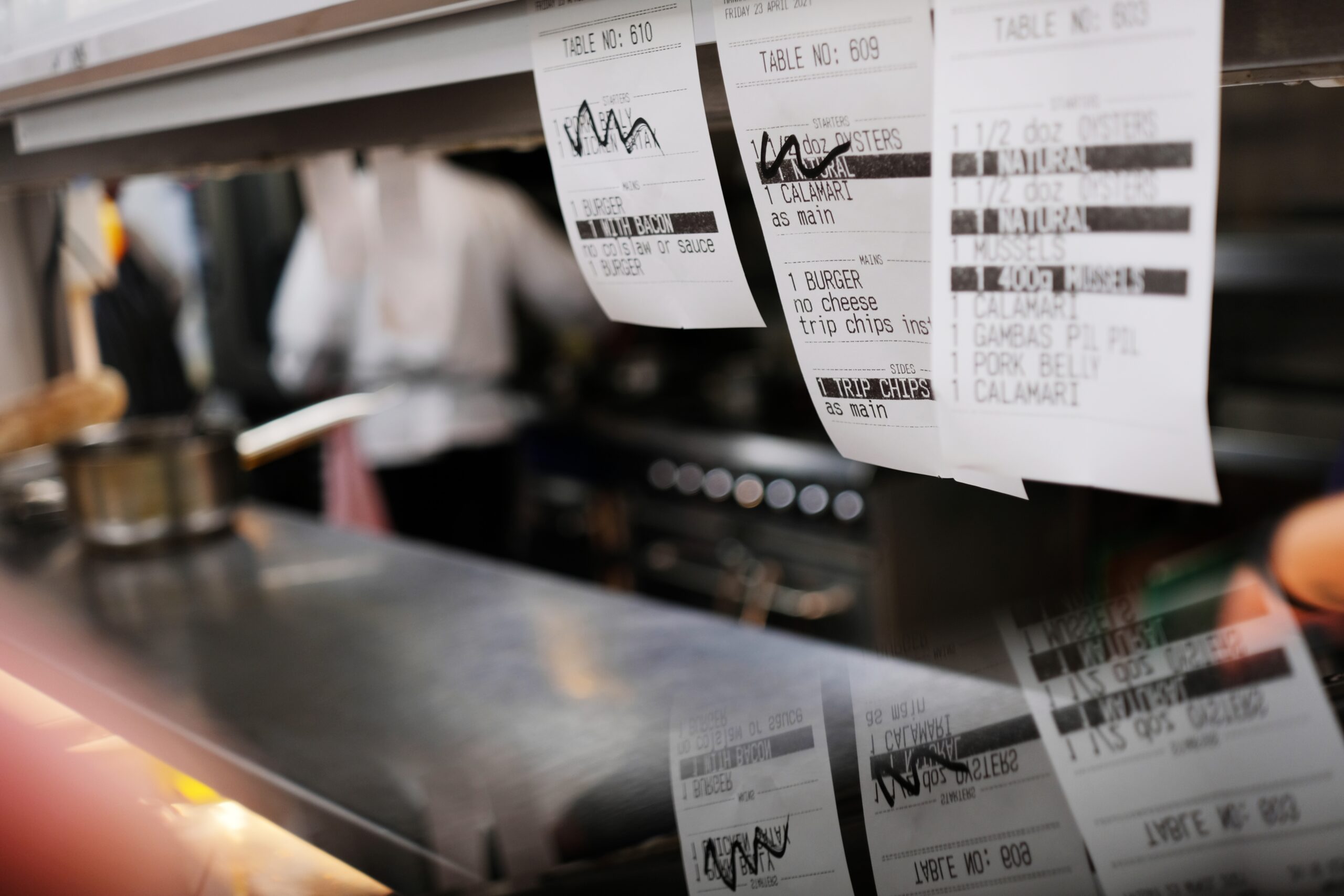

Restaurant kitchens rarely operate at a steady pace. Traffic patterns shift throughout the day, menu changes influence purchasing behavior, and seasonal trends can reshape kitchen activity for weeks or months at a time. Even locations operating under the same brand can experience very different levels of fryer usage depending on customer preferences, local events, and sales volume.
As kitchens work to maintain consistency across changing conditions, flexibility becomes increasingly important. Oil systems that adapt to actual usage help operators support smoother workflows, reduce manual oversight, and maintain greater operational predictability.
The ability to adjust alongside changing demand helps keep kitchens running efficiently and supports better visibility into inventory, storage capacity, and service needs. When oil management aligns more closely with actual kitchen activity, teams are better positioned to stay focused on execution throughout every shift.
Oil Demand Changes Faster Than You Think
Oil usage often reflects the pace of the kitchen. A location experiencing a surge in demand during a limited-time promotion may use significantly more oil than anticipated. A seasonal menu update can increase fryer volume for several months, while a busy holiday period can accelerate both oil consumption and used oil storage requirements.
Demand can be influenced by many factors, including:
- Lunch and dinner traffic patterns
- Seasonal menu rotations
- Limited-time offers
- Sporting events and community gatherings
- Regional buying trends
- Location-specific sales growth
While each of these factors can influence demand in different ways, together they create a dynamic operating environment where oil requirements rarely remain the same for long.
Managing Oil Operations in a Dynamic Kitchen Environment
Oil management touches multiple areas of the kitchen, which means even routine tasks require consistent attention. A typical workflow often involves staff checking oil levels, estimating future needs, placing orders, storing JIBs, and monitoring used oil storage throughout the week. Each step supports the operation and contributes to keeping kitchens running smoothly.
As demand fluctuates, oil management often requires additional coordination in several key areas:
- Inventory planning becomes more nuanced. Teams may choose to keep additional oil on hand to support busy periods or seasonal demand. Maintaining the right balance helps ensure supply is available when needed while making efficient use of storage space.
- Peak periods place greater demands on inventory management. When fryer volume increases unexpectedly, oil usage can change quickly, requiring teams to stay aligned with evolving kitchen needs.
- Oil-related tasks share attention with other operational priorities. Checking levels, coordinating deliveries, monitoring storage capacity, and handling used oil all take place alongside food preparation, staffing, and service responsibilities.
- Used oil storage requires ongoing oversight. As usage patterns change, storage capacity and collection needs can change as well, making consistent monitoring an important part of day-to-day operations.
Taken together, these responsibilities make oil management an ongoing operational function that requires visibility, coordination, and regular attention.
What a Flexible Oil System Looks Like
As restaurant operations become more dynamic, many operators are looking for ways to stay aligned with changing demand without adding more manual oversight. Understanding how oil is being used throughout the day can make it easier to plan ahead, maintain consistency, and keep kitchen operations running smoothly.
Automated Cooking Oil Management helps provide that level of insight. By continuously monitoring oil levels and usage, connected systems give operators a clearer picture of how consumption changes throughout the day and across locations. That insight helps teams stay informed as conditions shift, whether they’re preparing for a busy service period or managing longer-term changes in demand.
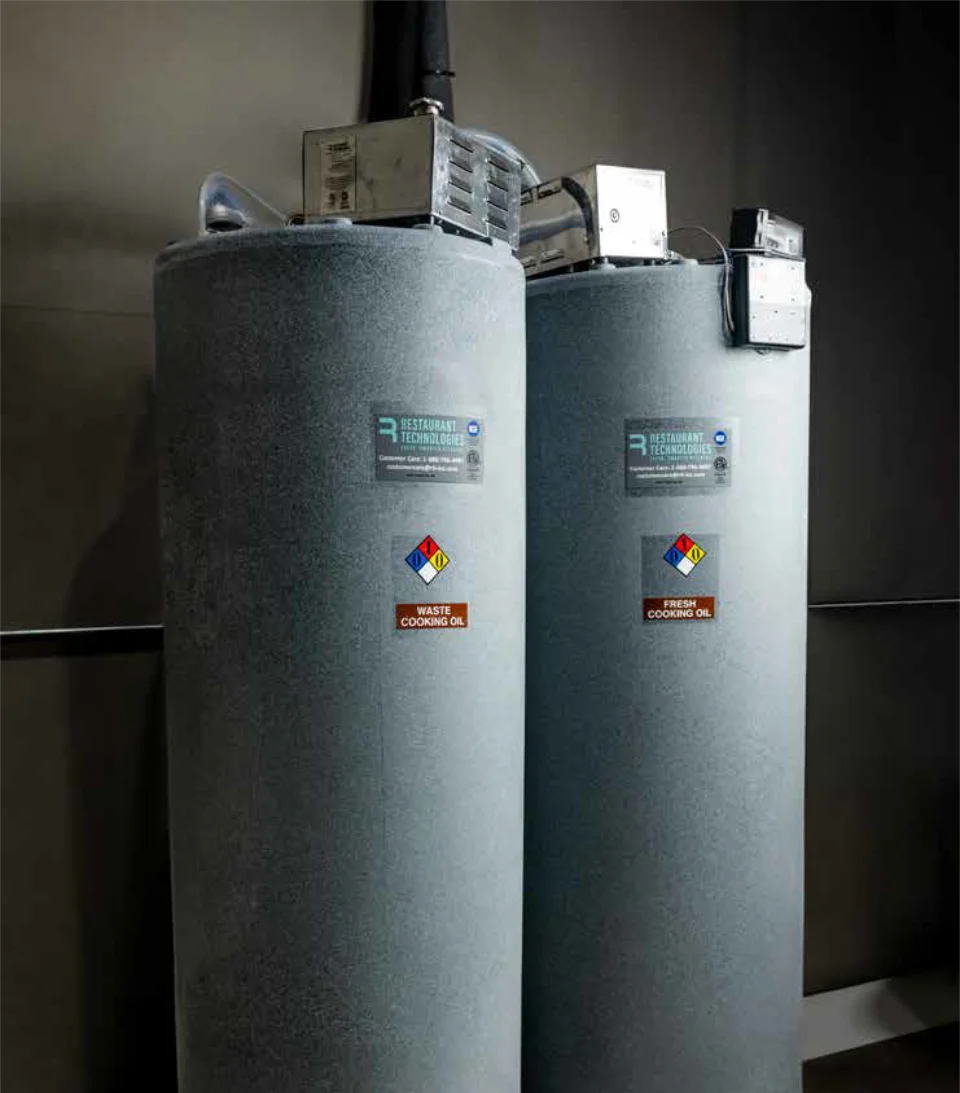
The benefits extend beyond monitoring. Fresh oil is delivered directly into enclosed storage tanks through secure connections, creating a continuous flow that supports kitchen operations while simplifying handling and storage.

Used oil follows the same streamlined path. As oil is collected, stored, and prepared for removal, the process remains connected to the broader oil management system, helping kitchens stay organized and focused on day-to-day operations.
When monitoring, delivery, and removal work together as part of a single process, oil management becomes more closely aligned with the pace of the kitchen. The result is a system that supports consistency, adapts to changing demand, and helps teams spend less time managing oil-related tasks and more time focused on service.
The Operational Impact of Flexibility
When oil management is aligned with the pace of the kitchen, daily operations become easier to manage. Teams gain greater confidence that inventory, storage, and service needs remain aligned with demand, even as conditions change.
Over time, that can help support:
- Fewer emergency oil orders as inventory remains better aligned with demand.
- Reduced storage of excess inventory, creating a cleaner and more organized back of house.
- Less time spent on oil-related administrative and handling tasks.
- More consistent fryer performance during both routine and high-volume service periods.
- Greater continuity across locations as oil management processes become more standardized.
Together, these outcomes contribute to something every operator values: consistency. As demand shifts, kitchens are better positioned to maintain efficient workflows, support service levels, and stay focused on execution throughout the day.
A Smarter Approach to Oil Rendering
As kitchen demand changes, oil rendering plays an important role in maintaining clean, organized, and efficient operations. When used oil levels shift with demand, a connected approach helps operators stay ahead of storage needs without adding more to the team’s plate.
Modern Oil Rendering Tanks, supported by monitoring and coordinated service, help keep used oil collection and removal aligned with actual kitchen activity. Restaurant Technologies’ Total Oil Management solution brings monitoring, delivery, filtration support, and used oil removal together in one process, helping operators maintain consistency and keep operations moving.
Connect with Restaurant Technologies to see how total oil management can support a more flexible, hands-free approach to oil rendering.