
Kitchen layouts influence far more than traffic flow and equipment placement. They also shape how cooking oil moves through the operation, from the fryer to storage and eventually to removal.
Every decision about layout affects how teams interact with oil throughout the day. The location of equipment, available storage space, and access for deliveries and collection all contribute to the process. When evaluating Oil Rendering Tanks, the question is not simply where the tank will fit, but how it will support the broader flow of the kitchen. A setup that aligns with daily operations can help create a safer, more organized, and more consistent environment for staff.
Your Layout Is Already Dictating Your Oil Rendering
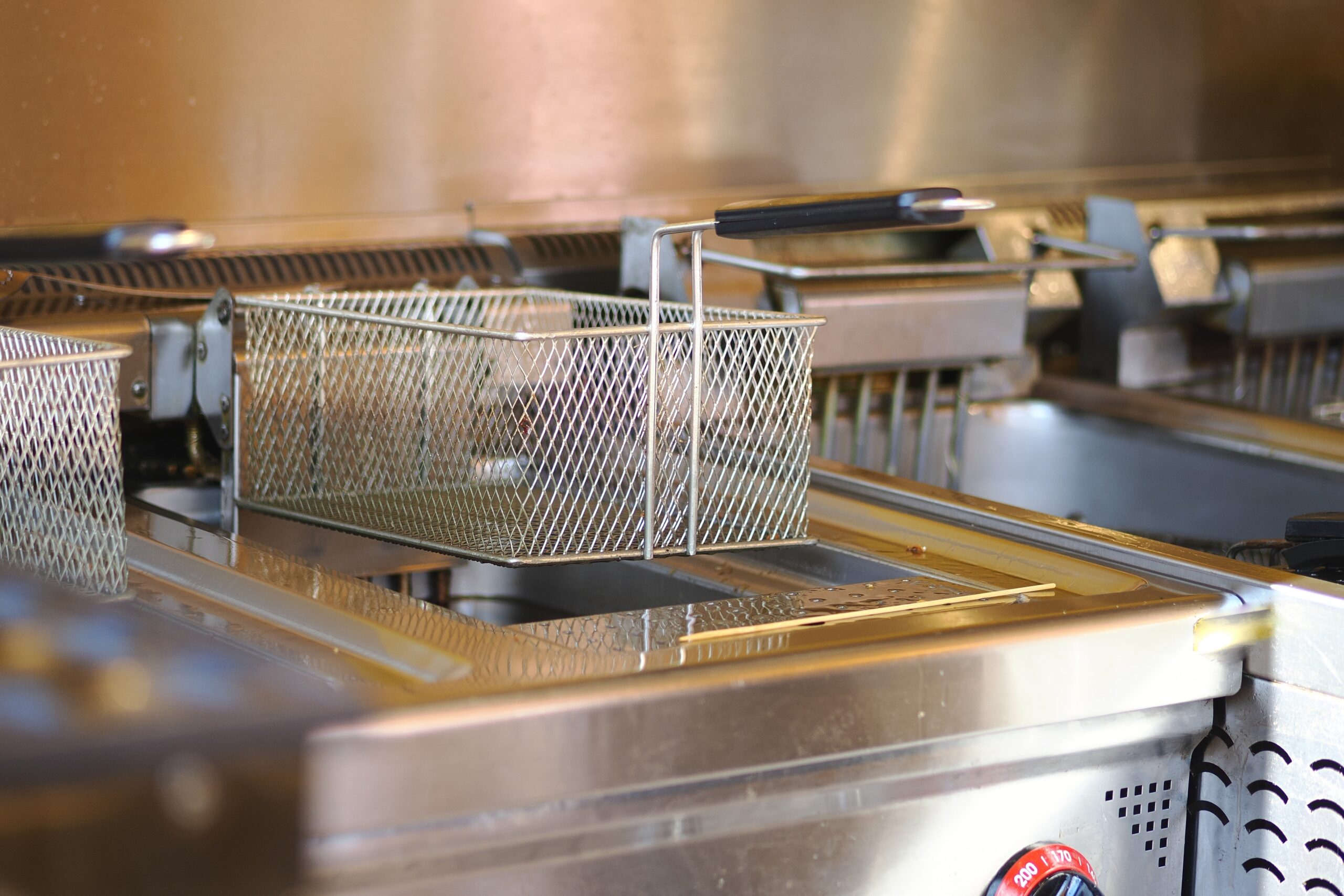
Kitchen layouts influence how people, equipment, and ingredients move throughout the day. Fryers, prep stations, storage areas, and delivery access points all contribute to how oil moves through the operation as well.
Several factors play a key role in shaping the rendering process:
- Available space for storage and equipment
- The distance between fryers and oil storage
- Staff movement patterns during service
- Access points for deliveries and used oil removal
Together, these elements help determine how efficiently oil can be stored, transferred, and removed throughout the day. They also influence how much time and attention teams spend managing oil-related tasks alongside food preparation and service.
Because the layout is already influencing the rendering process, selecting the right equipment becomes an opportunity to better align oil management with the needs of the kitchen.
Most Kitchens Design Around the Tank, Not the Workflow
In many kitchens, oil rendering equipment is incorporated during a buildout, renovation, or equipment update. Available space is naturally part of the decision, but it is only one piece of the equation. Tank placement also influences how oil moves through the operation and how teams interact with the process each day.
Those effects often become most noticeable during service. The distance between fryers and storage, the path oil takes through the kitchen, and the location of key equipment can all shape day-to-day operations.
For example:
- Staff may spend more time transporting oil between the fryer area and storage.
- Oil handling may involve more movement throughout the kitchen.
- Equipment placement can influence how efficiently teams move through the space during busy service periods.
During a shift, these details can have a meaningful impact on how efficiently the kitchen operates. When tank placement supports the layout, oil management fits more naturally into daily operations and requires less attention from the team.
The Three Tank Types and the Problems They Solve
Different kitchen layouts call for different approaches to oil storage and rendering. Once operators understand how oil moves through their space, the next step is selecting equipment that supports those needs. Understanding the role of each tank type can help identify the setup that best aligns with the layout, workflow, and operational demands of the kitchen.
Standard Tanks
Standard tanks are often a good fit for kitchens with dedicated space and established workflows. Because they are installed in fixed locations, they tend to perform best when oil management is already well integrated into the layout.
They can support predictable oil usage patterns while providing a centralized location for storage. Their effectiveness often depends on how well the placement aligns with the overall flow of the kitchen and the movement of staff throughout the day.
Portable Tanks
Portable tanks provide flexibility for kitchens with larger footprints, unique layouts, or limited permanent storage space.
Their mobility allows teams to position oil storage closer to where it is needed, making them well suited for operations where fixed placement may be less practical. The right fit often depends on how oil is handled throughout the operation and how teams move through the space during service.
In many cases, portable tanks help operators adapt to layout constraints while maintaining access to essential oil management capabilities.
Outdoor Tanks
Outdoor tanks support oil storage and rendering outside the kitchen, creating additional flexibility for operations where indoor space is at a premium.
This can create several operational advantages:
- More usable indoor space
- Less clutter around production areas
- Reduced oil movement inside the kitchen
- Easier access for service, delivery, and removal
For many operators, outdoor oil rendering tanks support a cleaner, more streamlined environment by allowing rendering activities to take place without competing for valuable space inside the kitchen.
Choosing the Right Tank Means Understanding the Process
The best tank choice is often the outcome of understanding how oil moves through the operation. Before evaluating equipment options, it helps to look at the full journey oil takes through the kitchen and the role it plays in daily workflows.
Throughout its lifecycle, oil typically passes through several stages:
- Fresh oil enters the operation.
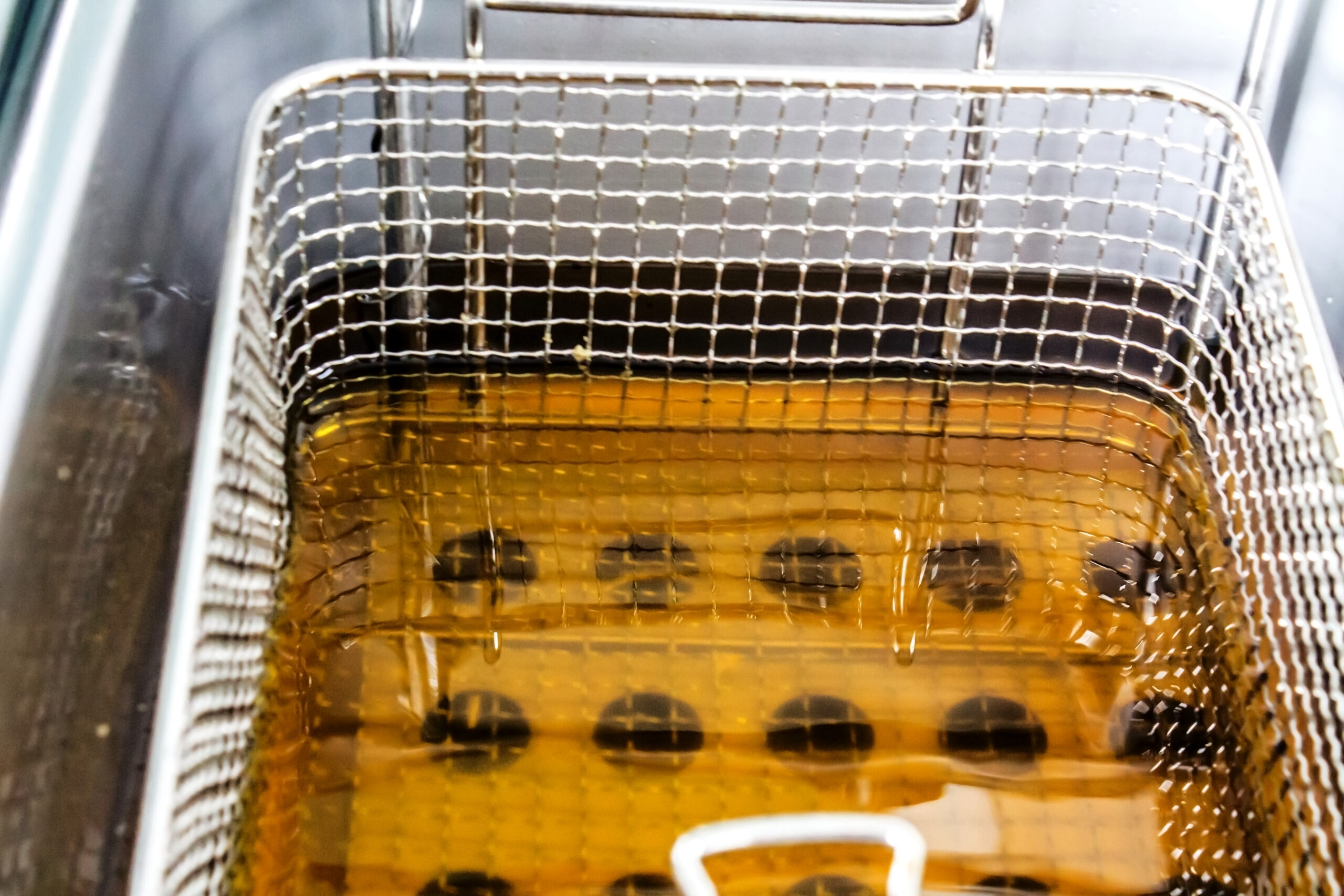
- Oil supports fryer production.
- Used oil is collected and stored.
- Oil is removed for recycling.
Each stage creates opportunities to support a more efficient, organized operation. The distance oil travels, the number of touchpoints involved, and the way teams interact with the process can all influence how well oil management fits into the broader flow of the kitchen.
This perspective is one reason many operators are adopting Automated Cooking Oil Management systems that provide greater insight into oil levels, usage patterns, and storage capacity. With a clearer understanding of how oil moves throughout the operation, equipment decisions become easier to evaluate in the context of actual kitchen activity.
Viewed this way, tank selection becomes part of a larger operational strategy. The goal is to create a process that supports the layout, aligns with day-to-day workflows, and helps the kitchen operate more consistently as demands evolve.
The Long-Term Impact of Getting It Right
A well-planned oil rendering setup continues delivering value long after installation. As operations evolve, the right system can support:
- Greater consistency across locations
- Easier adaptation to menu changes
- Improved scalability as volume grows
- More predictable workflows
- Fewer operational workarounds
These benefits become particularly important for multi-unit operators, where consistency across locations is often just as valuable as efficiency within a single kitchen.
The impact becomes more apparent over time. As kitchens adapt to changing volumes, evolving menus, equipment updates, and growth initiatives, a rendering system that aligns with the operation can continue supporting those changes without requiring teams to rethink the process. That continuity can make it easier to maintain standardized practices, support expansion efforts, and create a more consistent experience across locations as the business grows.
A More Intentional Approach to Oil Rendering with Restaurant Technologies
Choosing an oil rendering tank is more than selecting a piece of equipment. It is an opportunity to evaluate how oil moves through the kitchen, how teams interact with the process, and how the operation can be supported both today and in the future.
When tank selection is aligned with the layout and day-to-day needs of the kitchen, oil management becomes a more natural part of the operation. The result is a process that can support consistency, adapt to changing demands, and help create a more organized back-of-house environment.
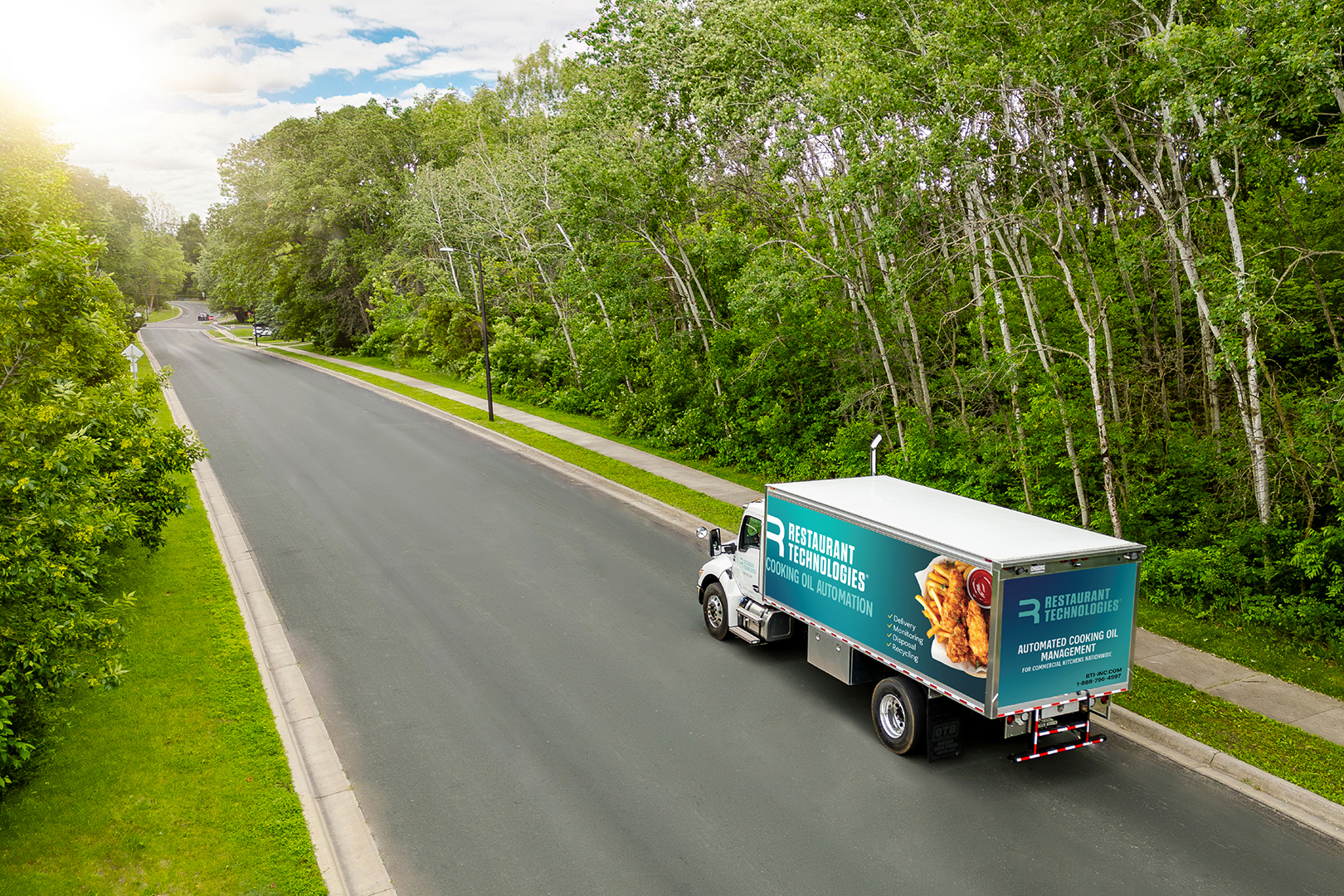
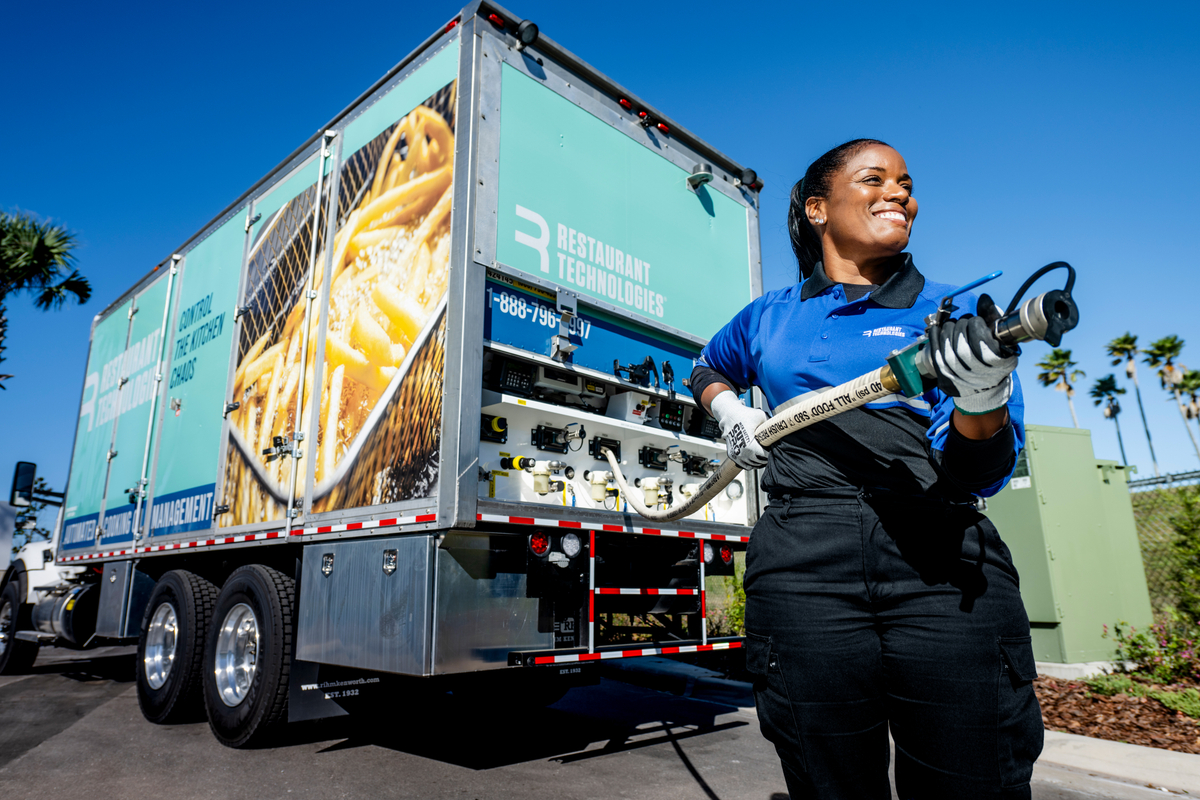
Restaurant Technologies helps operators match tank selection to kitchen layout while supporting a more connected approach through total oil management. Combined with cooking oil delivery, monitoring, filtration support, and used oil removal, the result is a system designed to support safer, more efficient operations.
Connect with Restaurant Technologies to learn how the right oil rendering setup can help create a cleaner, more consistent workflow across your kitchen.