

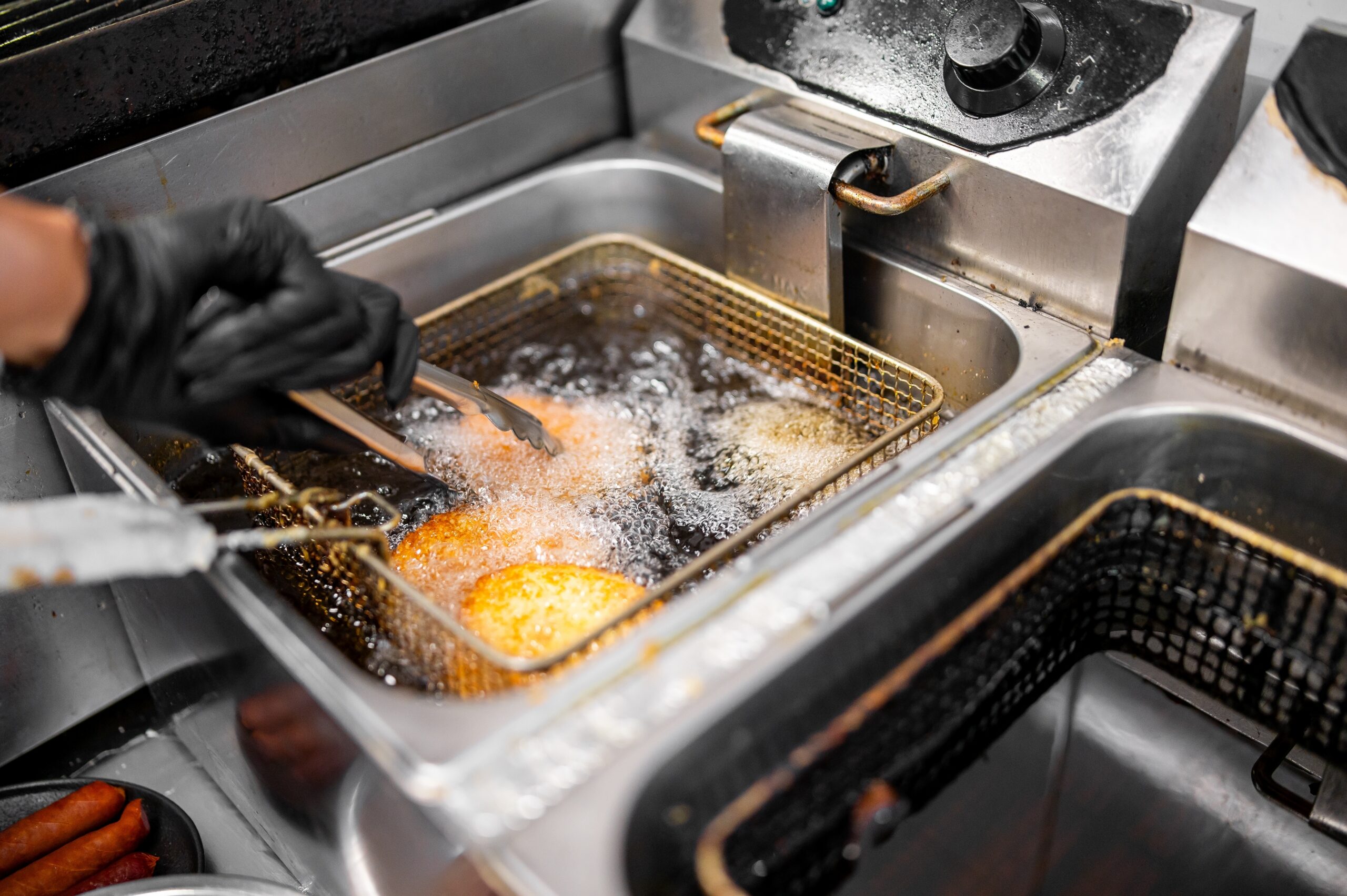
For any restaurant, a pristine appearance extends beyond the dining room to every corner of the property, including the often overlooked concrete surfaces of kitchens, back entrances, and loading docks. These areas, however, are particularly susceptible to cooking oil stains, a common and persistent problem in commercial food service. Beyond being an eyesore, oil stains pose significant safety hazards and can subtly, yet effectively, diminish a restaurant’s brand image. This comprehensive guide will walk you through the why and how of removing cooking oil from concrete, offering practical, step-by-step solutions to keep your premises safe, clean, and professional.
Why Cooking Oil Stains Concrete in Restaurants
Concrete, despite its tough exterior, is a remarkably porous material. Imagine it as a dense sponge, full of microscopic capillaries and tiny air pockets. When liquid cooking oil comes into contact with concrete, it doesn’t just sit on the surface; it quickly traps and absorbs into these pores. The oil then bonds with the concrete, creating a stubborn stain that can be incredibly difficult to remove once it sets.
This porosity explains why cooking oil stains are such a persistent problem, especially in restaurants where spills are almost inevitable. Beyond the aesthetic damage, these stains carry several significant risks:
- Slips and Falls: This is perhaps the most immediate and dangerous risk. Oil makes surfaces incredibly slick, turning a routine walk across a loading dock into a serious slip hazard for staff, delivery personnel, and even customers. A single serious fall can lead to injuries, workers’ compensation claims, and potential lawsuits, all of which are costly and damaging to a business.
- Permanent Staining: Over time, especially with exposure to sunlight and heat, oil stains can oxidize and become deeply ingrained in the concrete. What starts as a fresh spill can quickly turn into a dark, intractable mark that resists standard cleaning methods. These permanent stains signal neglect and can significantly degrade the appearance of your property.
- Poor Brand Image: Even if customers don’t see the stained concrete, suppliers, delivery drivers, and staff do. Dirty surfaces signal neglect and can create a negative impression about your restaurant’s cleanliness and professionalism.
- Pest Attraction: Oil residue, even in small amounts, can attract pests such as rodents and insects. These unwelcome visitors are drawn to the scent and food source, creating a sanitation issue that can escalate if not addressed.
Understanding how concrete absorbs oil is the first step toward effective removal and, more importantly, prevention.
Types of Cooking Oil Stains Found in Commercial Settings
Not all oil stains are the same; recognizing their type helps you choose the right removal method for your concrete surfaces.
- Fresh Spills: These are recent, liquid oil spills. They’re easiest to remove as the oil hasn’t deeply penetrated the concrete. Act quickly for the best results.
- Old Stains: These stains have set for hours or weeks, appearing as dark, often oxidized patches. They’re much harder to remove and need stronger degreasers and more scrubbing.
- High-Traffic Residue: Common in loading docks or behind kitchens, this is a buildup of small drips and splashes over time. It shows as widespread dark discoloration, often requiring more extensive cleaning, like power washing and degreasing.
Differentiating these stain types guides your cleaning strategy for effective removal.

Step-by-Step Process for Removing Cooking Oil Stains from Concrete
Effectively removing cooking oil from concrete requires a methodical approach to avoid spreading the stain or incomplete removal.
Initial Surface Preparation
First, tackle any excess oil on the surface.
- Blotting Fresh Spills: For wet spills, gently press absorbent materials (paper towels, cat litter, etc.) onto the oil. Do not rub. Discard saturated materials and repeat until no more liquid oil is absorbed.
- Scraping Congealed Oil: Use a stiff plastic scraper to remove any thick, congealed oil. Dispose of the scraped oil properly.
- Sweeping or Vacuuming Loose Debris: Clear away dirt or residue before applying cleaners.
Degreasing and Scrubbing Techniques
Once the surface is ready, apply a degreaser to break down the embedded oil.
- Choosing a Degreaser: Select a commercial-grade concrete degreaser, ideally alkaline (high pH), for oil and grease removal.
- Applying the Degreaser: Follow product instructions. Apply generously to the stained area, allowing it to dwell for 15-30 minutes for tougher stains.
- Scrubbing: Use a stiff-bristle brush for smaller stains, scrubbing vigorously. For larger areas or stubborn stains, a power scrubber or rotary floor buffer is more effective. Continue until the degreaser appears cloudy, indicating it’s lifting the oil.
Rinsing and Drying Safely
Proper rinsing and drying are crucial for safety and preventing re-staining.
- Rinsing Properly Without Spreading Oil: Use a pressure washer (1500-2000 PSI) or a strong hose to systematically rinse, pushing dirty water towards a drain (ideally one leading to a grease trap). Prevent runoff from spreading to clean areas or storm drains. You may need multiple rinses.
- Stress Safe Drying for Slip Prevention: The surface will be slippery when wet. Use a floor squeegee to remove excess water. For faster drying, use air movers or fans. Always place “Wet Floor” signs until the area is completely dry to prevent slips and falls.
Best Cleaning Products for Concrete Surfaces
Choosing the right cleaning products is key for effective oil stain removal on concrete surfaces in restaurants, prioritizing both safety and effectiveness.
Here are top options:
- Alkaline Degreasers (High pH): Excellent for breaking down tough grease and oil. These heavy-duty, water-based cleaners saponify fats, making them easy to rinse. Look for “concrete cleaner” or “industrial floor cleaner” labels.
- Enzymatic Cleaners: These cleaners use enzymes to “digest” oil and grease, ideal for older, set-in stains. They’re safe, environmentally friendly, and often biodegradable.
- Poultice Cleaners: Best for very stubborn, deep oil stains. A paste of absorbent material and a strong degreaser, they draw oil out as they dry. Use for isolated, tough spots.
Important Notes for Selection:
- pH Balance: Aim for alkaline (high pH) cleaners for oil.
- Environmental Safety: Choose biodegradable, non-toxic products, especially where runoff is a concern.
- Restaurant Safe: Look for labels indicating suitability for food service environments.
- Always read the label: Follow all instructions for mixing, application, and safety.
- Test First: Always test products in an inconspicuous area to prevent discoloration.
When to Hire a Professional Cleaning Crew
While you can tackle many oil stains yourself, some situations demand expert help. Knowing when to call professionals saves you time, frustration, and money on stubborn concrete stains.
Consider hiring a professional cleaning crew when:
- Deep, Set-In Stains Persist: Professionals use industrial-strength degreasers and specialized equipment like hot water pressure washers to extract these tough stains.
- Very Large or High-Traffic Areas: Extensive oil stains or accumulated grease residue in high-traffic zones like loading docks benefit from professional equipment and efficiency, ensuring thorough concrete cleaning.
- Lack of Proper Equipment: Effective oil stain removal often requires high-pressure washers and commercial scrubbers. If you don’t have these, experts are a practical solution.
- Time and Labor Constraints: For busy restaurants, professional crews quickly handle intensive concrete cleaning, minimizing disruption and allowing your staff to focus on operations.
- Environmental Compliance Concerns: Professionals can properly dispose of oily wastewater, ensuring environmental compliance for large-scale projects.
When choosing a service, look for companies specializing in commercial concrete cleaning or power washing with restaurant experience. Always ask for references and verify their insurance.
Preventing Future Oil Stains on Concrete
The best defense against oil stains is prevention. Proactive measures save significant time and money by stopping stains before they happen.
Here are effective tips for preventing future oil stains on your concrete surfaces:
- Install Catch Mats and Absorbent Pads: Place heavy-duty, oil-resistant mats or pads in high-spill areas like under fryers, near back exits, and under outdoor waste oil bins or in loading dock areas. Regularly clean or replace these to maintain effectiveness.
- Sealing Concrete Surfaces: Apply a high-quality concrete sealer to create a protective barrier. This significantly reduces concrete’s absorbency, making it harder for oil to penetrate and easier to clean. For best results, seal clean, stain-free concrete periodically.
- Implement Regular Maintenance Schedules:
- Prompt Spill Response: Train staff on immediate spill cleanup. Quick action prevents deep stains.
- Routine Cleaning: Daily sweeping and regular hosing of concrete surfaces in high-traffic areas removes residue before it sets. Using a degreaser during these routine cleanings to clean cooking grease from grout or other hard-to-reach areas.
- Designated Disposal Area: Ensure used cooking oil disposal bins are well-maintained, emptied regularly, and placed in easily cleanable, contained areas.
- Staff Training: Educate staff on proper oil handling and the importance of a “no spills” policy and immediate cleanup.
- Sealing Concrete to Prevent Oil Stains: In high-traffic restaurant zones, especially near grease bins or loading docks, oil spills can soak into concrete fast. Using a penetrating concrete sealer creates a protective barrier that repels oil and moisture without making surfaces slippery. Choose a matte, non-slip formula made for commercial use, and plan to reapply every 1 to 3 years as part of routine exterior maintenance.
Beyond manual prevention, modern restaurant technology offers advanced solutions for oil management. Systems like those from Restaurant Technologies automate the entire process of handling cooking oil, from the delivery of fresh oil to the removal and recycling of used oil. This significantly reduces the need for staff to manually carry hot or used oil across the kitchen and back areas.
By eliminating manual transfers, these automated systems dramatically reduce the risk of oil spills and splashes, which are prime culprits for concrete stains and slip-and-fall accidents. A closed-loop system means less human contact with the oil, leading to cleaner floors, safer walkways, and a considerable reduction in persistent grease buildup on concrete surfaces outside the kitchen, such as loading docks and disposal areas. This not only safeguards your employees but also contributes to maintaining a consistently cleaner and more professional exterior for your restaurant.
Final Thoughts on Oil-Free Concrete in Restaurants
Maintaining oil-free concrete surfaces in your restaurant is more than just about appearances; it’s critical for safety, hygiene, and your establishment’s reputation. Oil stains pose serious slip hazards for staff and customers, which can lead to costly accidents and legal issues. Beyond safety, visibly stained concrete projects an image of neglect, subtly diminishing your brand and potentially attracting pests. Effectively managing these areas is a clear indicator of a well-run operation.
The journey to oil-free concrete requires both effective removal of existing stains and robust prevention for the future. We strongly recommend consistently implementing prevention protocols like using absorbent mats in high-risk zones, strategically sealing concrete surfaces, enforcing immediate spill cleanup, performing regular maintenance, and ensuring ongoing staff training on proper oil handling. By embedding these practices, you can transform what might be a persistent problem into a manageable aspect of your restaurant’s upkeep, contributing significantly to its long-term success and positive public image.