
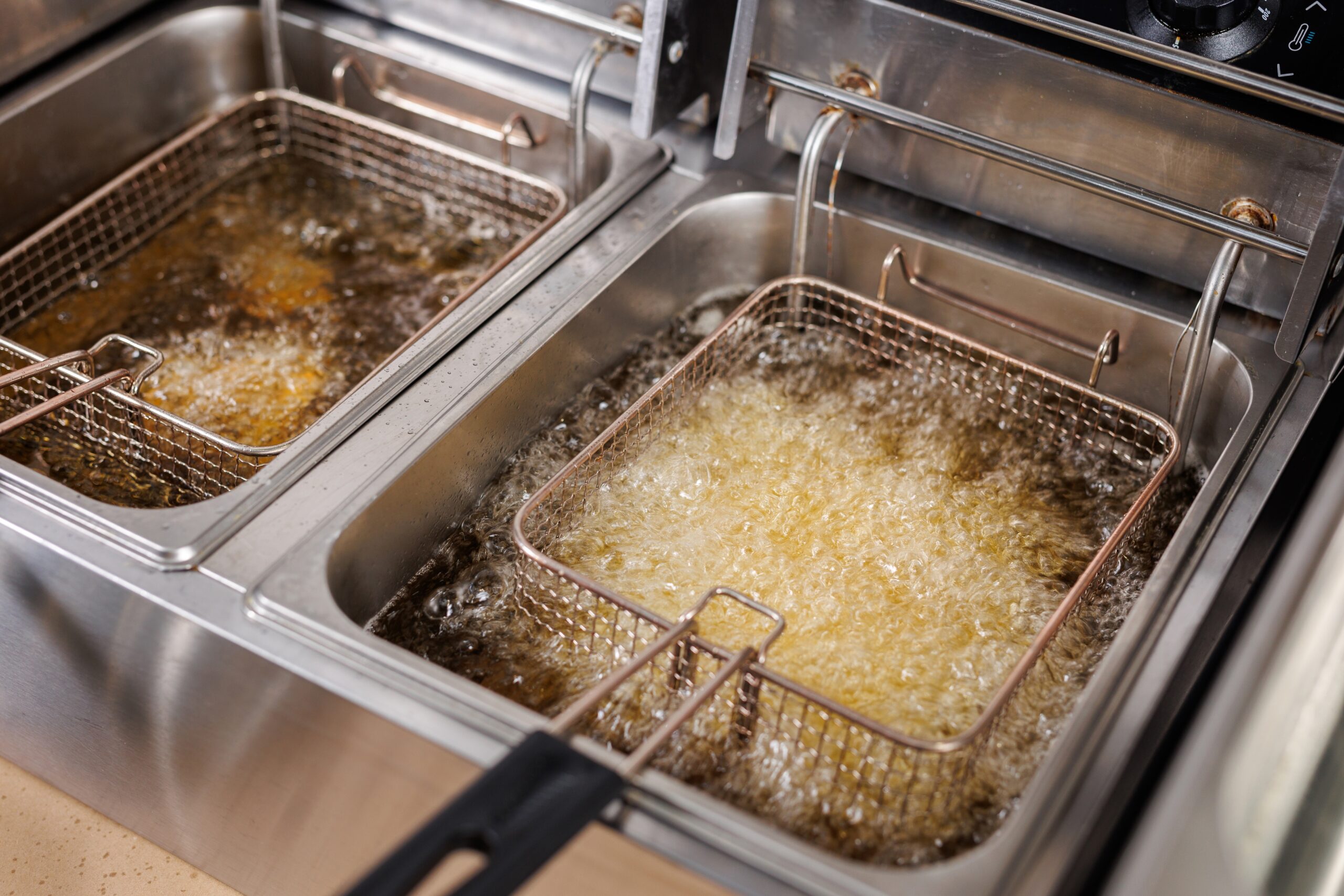
Used cooking oil is an inevitable byproduct of any restaurant kitchen, especially those with high-volume frying operations. But once that oil cools down, it can become a serious hazard if not handled correctly. From clogged drains to costly fines, improper disposal creates safety, sanitation, and environmental concerns.
Solidifying your used cooking oil before disposal is one of the most effective ways to manage this waste responsibly. In this guide, we’ll explore how oil behaves at different temperatures, how to solidify it properly, and how to build a safe, compliant workflow around it.
Why Restaurants Should Solidify Used Cooking Oil
Solidifying used oil isn’t just about convenience. It’s a key step in protecting your plumbing, staying compliant with local waste disposal laws, keeping your kitchen safe and clean, and protecting the environment.
When hot oil is poured directly into a drain, it may seem like it disappears, but it quickly cools and congeals. This leads to fat blockages in pipes, sewer backups, and strain on grease traps. These issues often result in emergency plumbing calls or even health code violations.
Fines for improper disposal vary by region, but they can be steep. More importantly, the damage to your reputation or operations from unsanitary conditions can be even more costly. Solidifying oil allows for cleaner storage, easier transport, and safer disposal that keeps your kitchen running smoothly.
How Cooking Oil Behaves at Different Temperatures
Cooking oils—whether canola, peanut, soybean, or blended fry oils—remain liquid at frying temperatures but begin to thicken as they cool. The rate and consistency of this solidification depend on the oil’s fat composition.
Saturated fats, like those found in animal-based oils or palm oil, solidify at higher temperatures. Unsaturated fats, common in vegetable oils, remain liquid longer. However, nearly all oils can be solidified with the help of refrigeration or absorbent materials.
Understanding this behavior is crucial when planning how to dispose of oil at different stages of your kitchen’s workflow.

Methods for Solidifying Used Cooking Oil
Cooling and Refrigeration Method
One of the safest and most widely accepted ways to solidify cooking oil is simply allowing it to cool and congeal naturally. This method avoids the use of chemicals or additives that might complicate disposal, especially in areas with stricter waste regulations.
Step-by-Step Guide for Cooling and Solidifying Used Oil
- Let the Oil Cool Naturally in the Fryer
Once the fryer is turned off, allow the oil to drop in temperature to a safe level—ideally below 150°F—before handling. Never try to move or transfer hot oil. - Transfer Oil to a Heat-Safe Container
Once it has cooled slightly, carefully transfer the oil into a container that can withstand both heat and cold. Stainless steel, food-grade plastic, or reinforced buckets with lids are ideal. - Refrigerate or Leave in a Cool Area
In many kitchens, placing the container in a walk-in cooler overnight will allow the oil to fully solidify. If refrigeration isn’t available or practical, placing the container in a cool, well-ventilated area will work, though it may take longer. - Seal and Store for Disposal or Collection
Once the oil has fully solidified, seal the container and label it clearly. Some waste management services may collect solidified oil with general waste, while others require special pickup. Always check with your hauler or local municipality. - Dispose Responsibly
If your kitchen partners with a licensed oil collection or recycling service, follow their specific guidelines. For restaurants that dispose of oil through regular solid waste, confirm that the solidified oil meets local disposal regulations.
Benefits of the Cooling Method
- No Added Chemicals: Ideal for eco-conscious kitchens
- Low Cost: Uses tools and appliances you already have
- Safe for Staff: No need to interact with hot oil or unfamiliar additives
- Compliant: Easier to align with sanitation codes and waste rules
This method is especially helpful for smaller volumes of oil or kitchens that already use refrigeration space during end-of-day cooking clean-up..
How to Dispose of Solidified Cooking Oil Properly
Once your oil is fully solidified, the next step is proper disposal. Some restaurants bag and bin it as solid waste, but many choose to work with professional disposal services for added safety, compliance, and convenience. Don’t forget about the small spaces, knowing how to clean cooking grease from grout can help prevent long-term sanitation problems in high-traffic areas
Restaurant Technologies offers used cooking oil disposal solutions that eliminate the need for solidifying altogether. Their system collects oil directly from the fryer through a secure, closed-loop process and stores it safely for pickup. This keeps your team away from hot oil, reduces spills, and removes the guesswork from waste handling.
Whether you solidify on your own or rely on a service partner, make sure your method aligns with local waste regulations and protects your plumbing, staff, and sanitation score. If spills occur outside, it’s also important to know how to remove cooking oil from concrete to avoid slippery hazards.
👉 Explore Restaurant Technologies’ used cooking oil disposal solutions
Common Mistakes to Avoid During Oil Disposal
Avoiding common errors can prevent plumbing problems, employee injuries, and regulatory issues. Watch out for:
- Pouring oil down the drain — even small amounts can cause major backups
- Using incorrect containers — flimsy or unsealed ones may spill or break
- Skipping gloves or PPE — hot oil remains dangerous during transfer
- Storing oil near food or prep areas — this creates contamination risks
- Disposing of oil while it’s still warm — it may melt plastic or leak in transit
Preventing these missteps starts with staff training and clear protocols.
Oil Solidification in High-Volume Kitchens
In busy kitchens, oil solidification should be part of your standard closing routine. If you’re managing large quantities, try breaking oil disposal into steps:
- Allow fryers to cool slightly before transferring used oil
- Divide oil into multiple containers to speed up cooling
- Use solidifiers to reduce total disposal time
- Assign designated staff or maintenance crew for collection and storage
Creating a checklist helps maintain consistency and reduce the chance of errors. If your kitchen works with a grease collection service, coordinate solidification procedures to align with their pickup standards.
Final Thoughts on Responsible Oil Disposal
Solidifying and disposing of cooking oil the right way keeps your kitchen safe, clean, and compliant. Ask most kitchen crews, and they’ll tell you: oil handling ranks high on the list of least favorite tasks, due to the mess, risk, and time it takes
Restaurant Technologies can help you eliminate manual handling, reduce risk, and streamline your entire oil process, from delivery to disposal.
Want to make oil disposal effortless?
👉 Learn how Restaurant Technologies helps kitchens manage oil safely and efficiently.