
Restaurant operators face mounting pressure from rising costs across every category, but technology provides a clear path to protecting and improving profit margins. This article examines how automation, data analytics, and operational systems address the specific cost centers that erode profitability in commercial kitchens.
The following sections cover technology solutions that reduce food waste, optimize labor deployment, improve pricing decisions, and streamline daily operations. Each approach delivers measurable returns when implemented strategically and evaluated through clear performance metrics.
Why Restaurant Margins Are Under Pressure
Margins across the restaurant business are tightening. Ingredient prices continue to rise, with the food index up 2.9% year over year, according to the Bureau of Labor Statistics.1 At the same time, labor costs remain elevated as wages increase and competition for qualified staff persists.
Beyond food and labor, utilities, rent, insurance, and equipment maintenance add continued strain. With both fixed and variable expenses climbing, effective restaurant management requires tighter operational control and smarter cost oversight.
To protect profitability and increase sales, operators are turning to data-driven tools that improve visibility and consistency. Modern point-of-sale systems provide real-time reporting, while integrated technology makes it easier to manage pricing, control waste, and strategically upsell high-margin items.
Margin improvement is no longer optional. Understanding how has technology changed restaurants helps operators identify solutions that deliver measurable impact on efficiency and long-term profitability.
Using Technology to Reduce Food Waste
Wasted ingredients represent direct profit loss. Technology designed to track inventory and predict demand helps operators minimize spoilage and over-ordering.
Modern inventory management systems provide real-time visibility into stock levels. These platforms connect purchasing, storage, and usage data to create a clear picture of what ingredients are on hand and how quickly they move. With surplus food representing the equivalent of 14% of foodservice sales according to ReFED research, even modest improvements in inventory accuracy deliver substantial margin gains.2
Technology solutions that reduce food waste include:
- AI-powered forecasting tools: Analyze historical sales patterns to predict which menu items sell on specific days or during certain seasons, enabling more precise ordering
- Automated expiration alerts: Notify kitchen managers when items approach expiration dates, enabling proactive menu adjustments
- POS-inventory integration: Eliminates manual counting errors and creates accurate data for better purchasing decisions
The cumulative effect is significant. Reducing spoilage by even a small percentage translates directly to improved margins without requiring price increases or service reductions, making waste reduction a critical operational priority.
Labor Optimization Through Technology
Across the restaurant industry, labor remains one of the largest controllable expenses. In many cases, restaurant labor accounts for 30–35% of revenue. According to the National Restaurant Association, profitable operators maintain lower labor ratios than the segment average.3 This proves that managing labor is crucial to restaurant performance and long-term stability. When margins are already slim, every percentage point matters.
Smarter Scheduling
Modern point-of-sale systems help restaurants analyze data and forecast demand more accurately. Instead of relying on estimates, restaurants use real sales volume trends to align staffing with expected traffic.
This data-driven approach helps reduce costs from overstaffing while protecting sales revenue during peak periods. This directly supports improvements in restaurant profit margins.
Automation That Reduces Operating Costs
New technology in restaurants goes beyond scheduling. Automated inventory tools, online ordering platforms for supply chain, and integrated systems streamline restaurant operations and lower operating costs.
As more operators turn to technology, tech can help increase restaurant efficiency, protect margins, and create a sustainable competitive advantage in the restaurant industry.
Improving Pricing and Menu Performance With Data
Menu pricing directly affects margins, yet many operators set prices based on intuition rather than analysis. Data analytics and AI-powered menu engineering provide a more reliable approach.
Analytics tools evaluate each menu item based on two factors: popularity and profitability. Items that sell frequently and deliver strong gross profit deserve prominent placement.
Conversely, items that occupy restaurant menu space without contributing meaningfully to profits may need repricing or removal. These decisions become clearer when supported by actual Point of Sale (POS) system data.
Menu engineering also reveals opportunities for ingredient consolidation. When multiple dishes share core components, purchasing efficiency improves and waste decreases.
Pricing analysis extends beyond individual items to examine daypart performance and promotional effectiveness. Understanding when and why customers spend helps restaurateurs optimize pricing strategies across their entire operation. Leading operators already take this approach.
McKinsey’s research into how the largest restaurant franchise operator uses AI revealed that holistic pricing models controlling for weather, promotions, operational challenges, wage increases, and commodity costs produce more accurate pricing decisions than single-variable analysis.4
Regular menu reviews informed by data keep offerings aligned with both customer preferences and profit margin requirements. This ongoing refinement compounds over time, steadily improving overall restaurant profitability.
Technology That Improves Operational Efficiency
Operational inefficiencies create hidden costs that erode margins. Automation helps operators identify and eliminate these profit drains.
- Fewer Order Errors. Kitchen display systems and automated ticket routing present clear, accurate information to prep staff. This reduces remakes, wasted ingredients, and customer dissatisfaction.
- Proactive Equipment Monitoring. Performance monitoring technology alerts operators to potential issues before breakdowns occur, minimizing costly disruptions.
- Consistent Process Execution. Automating repetitive tasks reduces variability, improves quality, and supports a reliable guest experience.
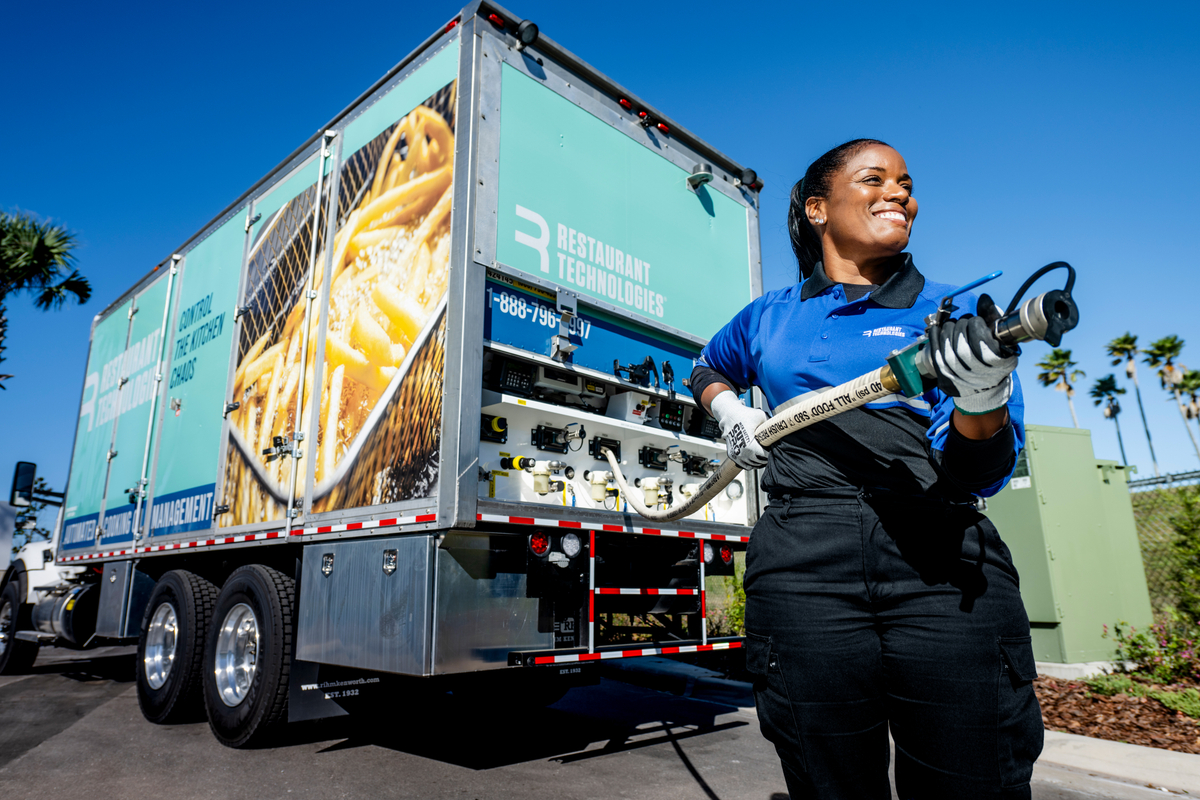
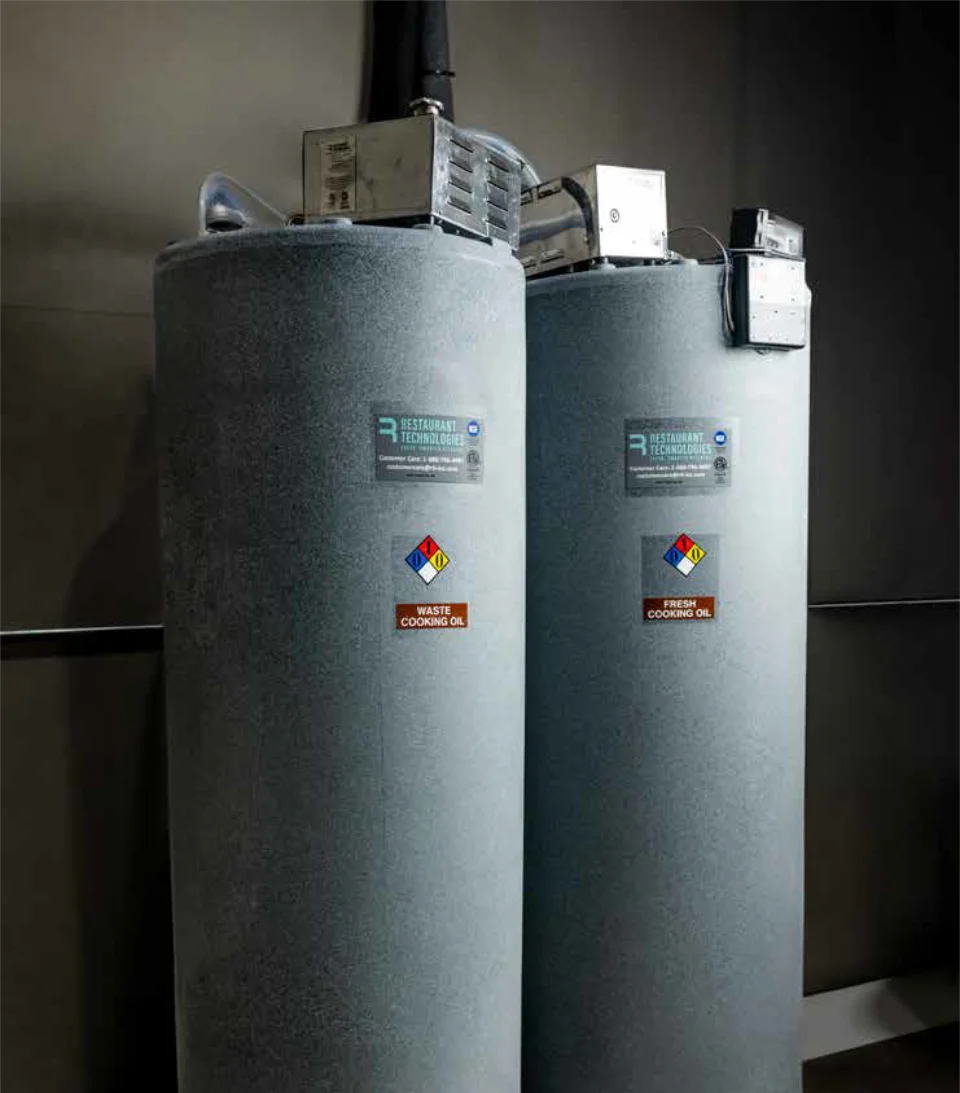
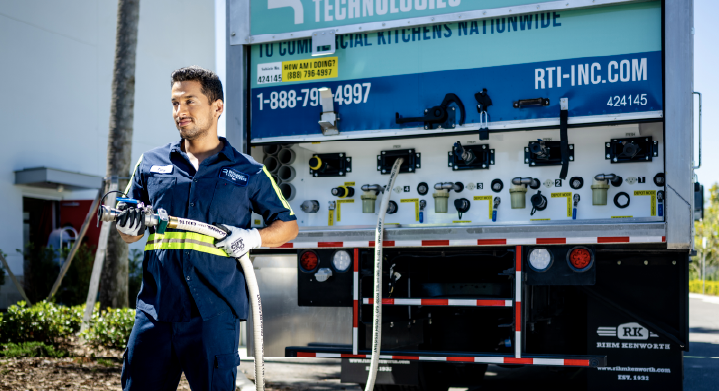
- Automated Cooking Oil Management. Replacing the manual handling of cooking oil eliminates heavy lifting, safety risks, and inconsistent practices. Automated fresh oil delivery, filtration monitoring, and hands-free used oil disposal reduce labor demands while protecting food quality with commercial kitchen appliance maintenance.
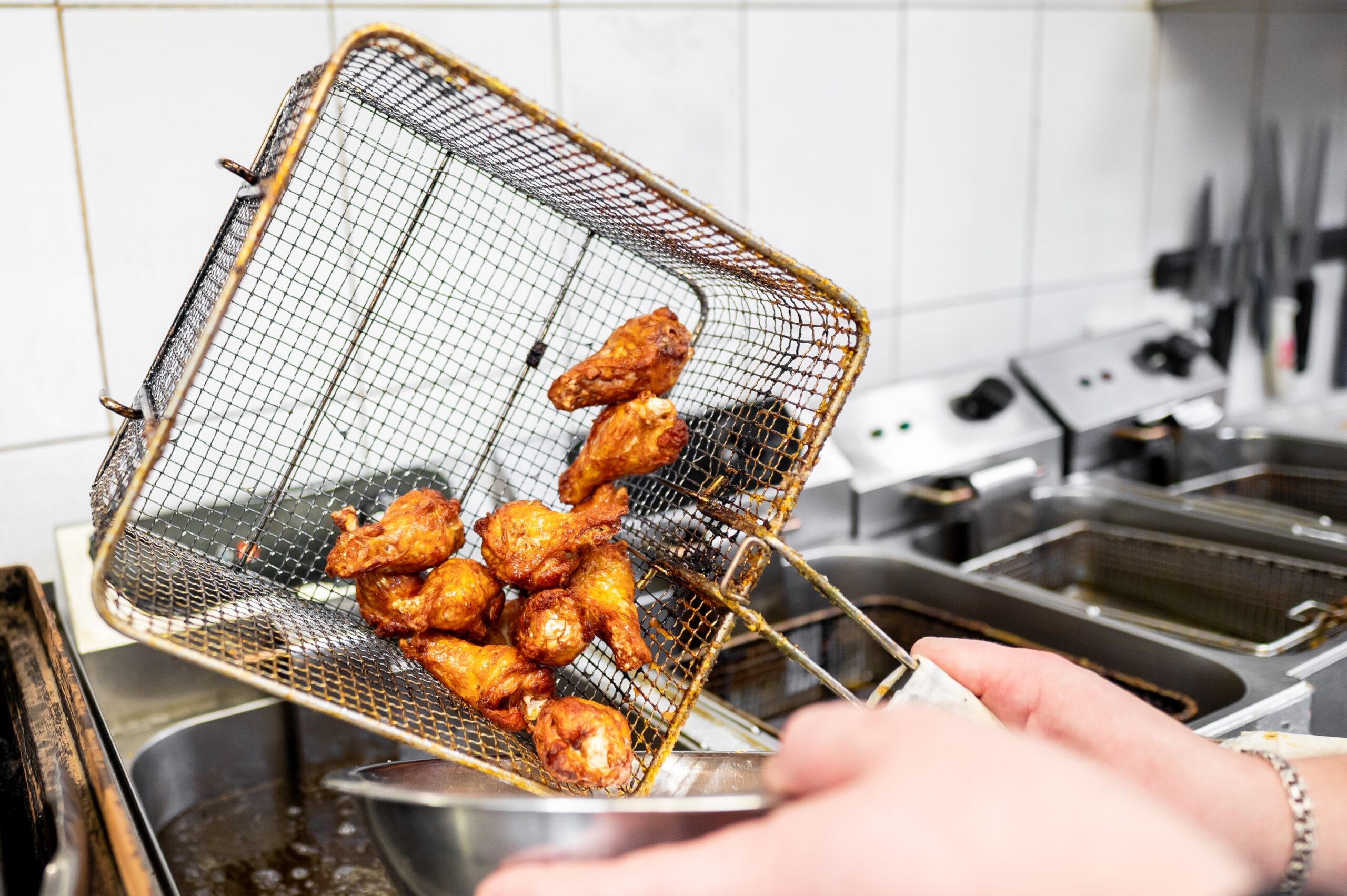
- Extended Oil Life. An automated cooking oil filter system maintains consistent oil quality and extends oil life without constant staff oversight. This improves profit margins through both labor savings and waste reduction.
- Energy Optimization. Smart HVAC, lighting, and equipment controls lower utility costs. ENERGY STAR® certified commercial foodservice equipment alone can save operators more than $5,300 annually in energy expenses.5

Measuring ROI from Restaurant Technology
Technology investments must deliver measurable returns. Establishing clear metrics before implementation enables accurate evaluation of results.
Key metrics for evaluating restaurant technology ROI include:
- Cost savings: Compare expenses in targeted categories before and after technology deployment to quantify impact on your restaurant’s profit margin
- Labor productivity: Track metrics like sales per labor hour to assess whether automation allows staff to accomplish more during their shifts
- Waste reduction: Monitor declining food costs as a percentage of revenue through inventory reports and purchasing data
- Quality consistency: Track customer feedback and repeat business alongside operational metrics to measure impact on customer experience
Profitability analysis should account for total cost of ownership, including implementation, training, and ongoing fees. Some solutions deliver returns quickly while others require longer evaluation periods.
Regular review of technology performance ensures continued alignment with business goals. Solutions that no longer deliver expected value may need reconfiguration or replacement.
The most successful operators treat technology evaluation as an ongoing process rather than a one-time decision. Continuous improvement in technology deployment compounds margin gains over time.
Using Technology to Protect Profitability
Technology provides commercial kitchen operators with powerful tools for protecting restaurant profit in a challenging economic environment. By using AI and automation to address food waste, labor optimization, pricing strategy, and operational efficiency through targeted solutions, operators gain control over costs that would otherwise erode profitability. The key lies in selecting technologies that address specific operational needs and measuring their impact through clear metrics to improve profit margins over time.
Restaurant Technologies is the leading provider of automated cooking oil management, serving more than 45,000 commercial kitchens nationwide with dependable, technology-driven systems that enhance safety, efficiency, and food quality. With over 25 years of expertise, Restaurant Technologies has transformed one of the hardest, most hazardous jobs in the kitchen into a clean, automated, closed-loop solution.
Sources:
- U.S. Bureau of Labor Statistics. “Consumer Price Index News Release – 2026 M01 Results”. https://www.bls.gov/news.release/archives/cpi_02132026.htm
- National Restaurant Association. “Elevated labor costs had a significant impact on restaurant profitability in 2024”. https://restaurant.org/research-and-media/research/restaurant-economic-insights/analysis-commentary/elevated-labor-costs-had-a-significant-impact-on-restaurant-profitability-in-2024/
- ReFED. “Food Waste by Sector: Foodservice”. https://refed.org/downloads/by-sector-foodservice-2025.pdf
- McKinsey & Company. “How the world’s largest restaurant franchise operator uses AI”. https://www.mckinsey.com/industries/retail/our-insights/how-the-worlds-largest-restaurant-franchise-operator-uses-ai
- ENERGY STAR (U.S. Environmental Protection Agency). “ENERGY STAR® for Commercial Food Service”.https://www.energystar.gov/sites/default/files/ENERGY%20STAR%20for%20Commercial%20Food%20Service%20Webinar.pdf