
Sustainability has been part of the restaurant industry conversation for years, but the way operators think about it is beginning to shift. What was once viewed primarily as a brand initiative is now being evaluated through a more operational lens, especially as restaurants navigate rising costs, labor challenges, and growing pressure to run more efficiently.
For multi-unit restaurant chains, that shift carries even greater weight.
As operations scale, sustainability becomes less about broad commitments and more about how consistently kitchens perform day to day, how efficiently resources are managed across locations, and whether operational systems can hold up under continued demand.
Sustainability Isn’t Just a Brand Play Anymore
As restaurant operations grow, the gap between sustainability as a concept and sustainability as an operational reality often becomes much more noticeable.1
In smaller environments, teams can sometimes work around inefficiencies without creating major long-term disruption. But at scale, even small inconsistencies tend to become harder to ignore.
What Scale Tends To Reveal
Operational issues rarely surface all at once. More often, they build gradually over time and become more visible as volume increases or day-to-day conditions become less predictable. Common challenges can include:
- Inconsistent execution across locations, even when standards are in place
- Gradual resource loss that becomes more noticeable at higher volumes
- Processes that rely too heavily on individual judgment instead of structured systems
- Performance gaps that only appear during peak demand periods
Eventually, these operational gaps can affect consistency, efficiency, and visibility across the organization. At that point, sustainability becomes less about intention alone and more about how effectively operations can maintain reliable performance under pressure.
Rising Costs Are Forcing a Shift in Priorities
Restaurant operators continue to face pressure from rising food costs, labor challenges, and ongoing supply chain disruption, and many are recognizing that these challenges are unlikely to be temporary.2 As a result, the conversation around efficiency is evolving. Instead of focusing only on growth and expansion, many restaurant leaders are taking a closer look at how existing operations can run more consistently and efficiently.
That shift is showing up most clearly in the day-to-day systems and processes that support back-of-house operations. Operators are paying closer attention to:
- Process-level visibility ➜ Understanding how resources are being used throughout the day and where inconsistencies may be creating avoidable waste
- Manual coordination points ➜ Identifying tasks that rely too heavily on memory, timing, or reactive decision-making, especially across multiple locations
- Cross-location consistency ➜ Reducing operational differences between kitchens that can affect both cost control and food quality at scale
This is often where sustainability and operational performance begin to overlap more directly.
For example, Cooking Oil Delivery becomes more efficient when supply is aligned with actual usage patterns instead of estimates alone. That helps reduce shortages and excess inventory while minimizing unnecessary oil waste and supporting more efficient transportation and delivery logistics.
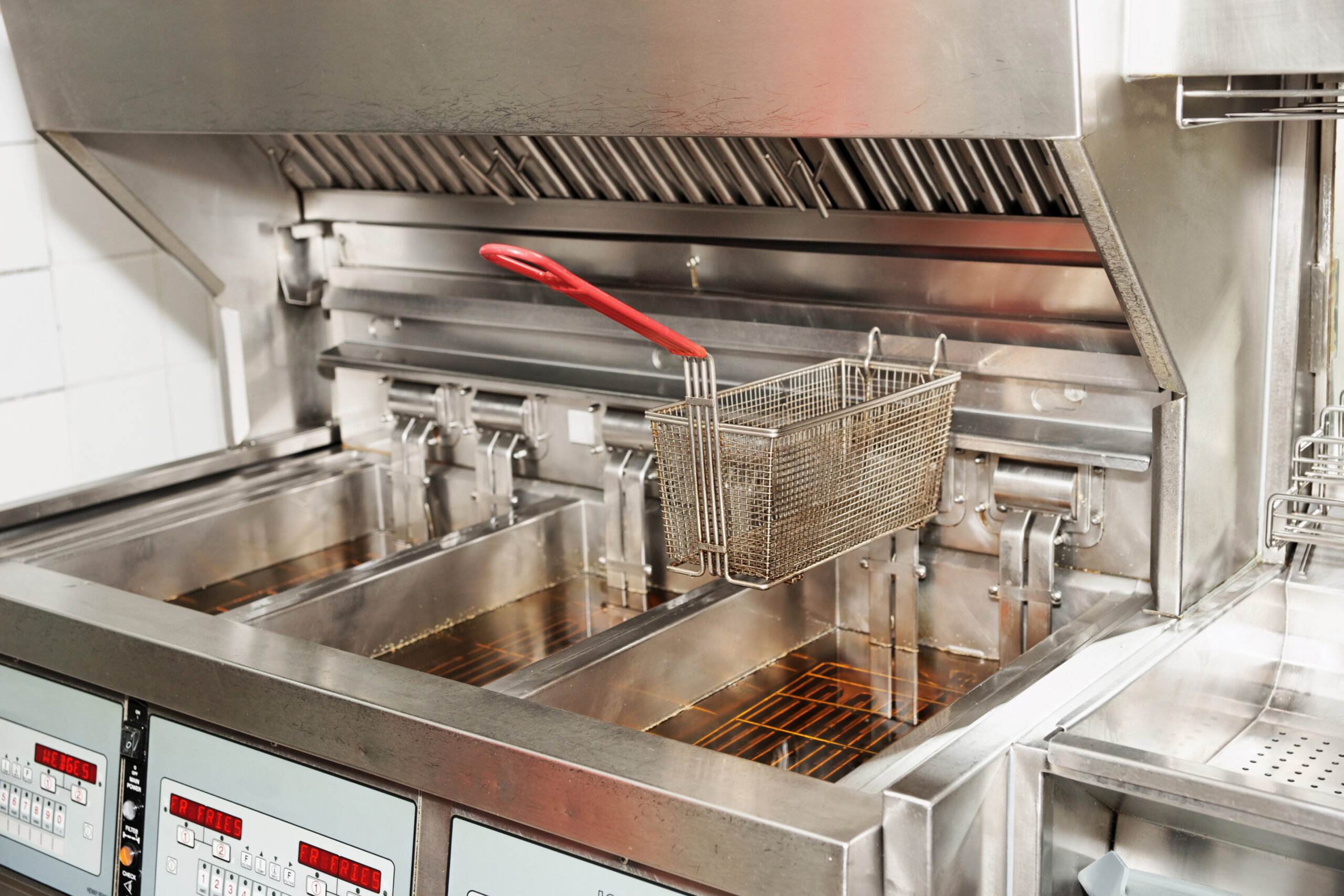
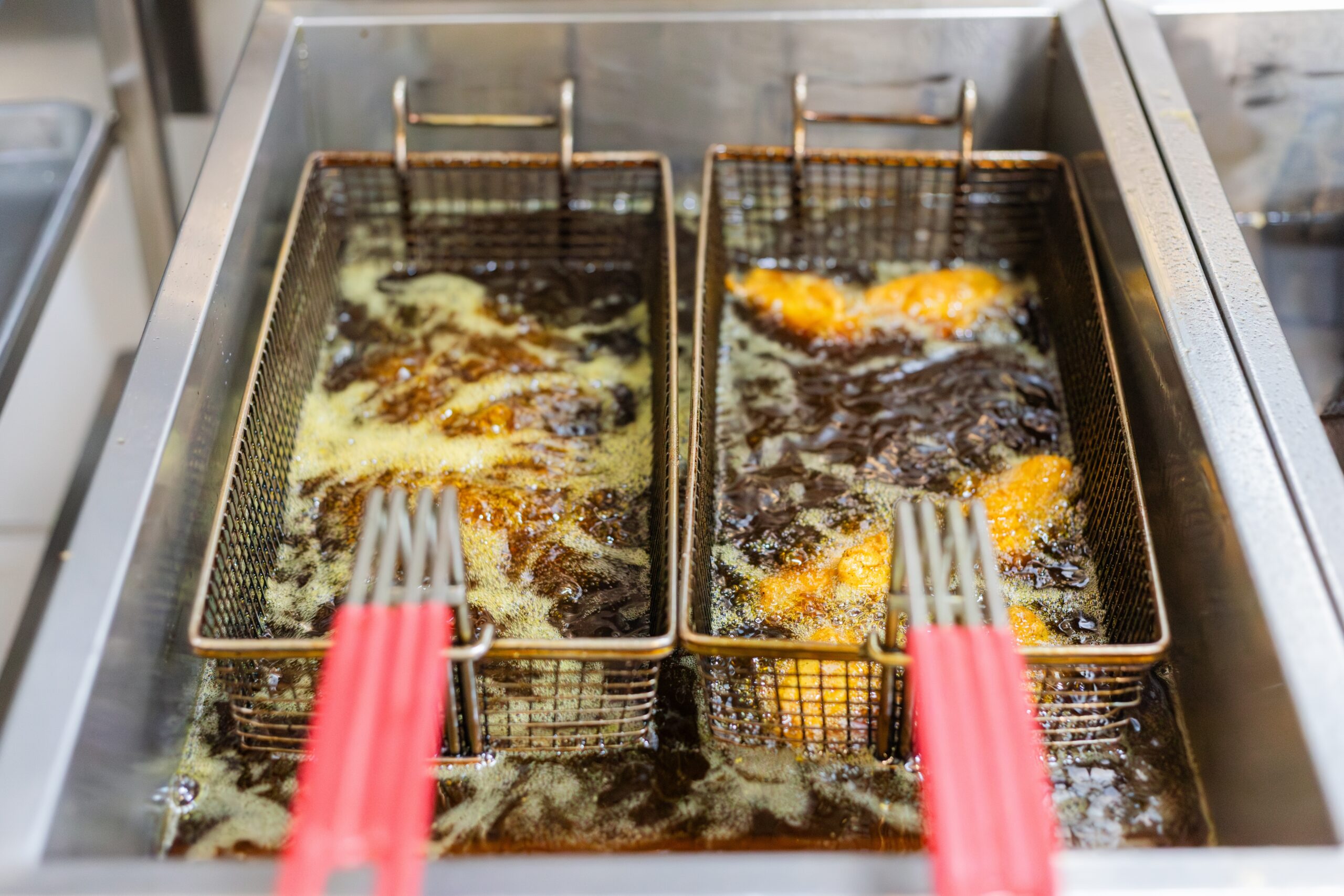
Similarly, structured Fryer Oil Filtration programs can help extend oil life and maintain more stable cooking performance. When filtration routines are monitored consistently rather than handled informally, operators are often able to reduce unnecessary waste, decrease overall oil consumption, and maintain food quality standards.
Effective Cooking Oil Disposal processes also play an important role. When used oil is collected and managed consistently, operators can improve recovery rates, support recycling efforts, and create greater visibility into sustainability performance across locations.
While these practices improve day-to-day operations, they also contribute to measurable sustainability outcomes by reducing waste, optimizing resource use, and supporting the recovery and recycling of used cooking oil.
Customers and Stakeholders Expect More Transparency
As sustainability becomes more closely tied to operational performance, expectations around transparency are also changing. Customers, leadership teams, and other stakeholders are looking beyond broad sustainability claims and paying closer attention to how consistently those efforts are being carried out across the organization.
Today, sustainability is increasingly measured by whether processes are structured, repeatable, and supported by reliable operational data, especially across multi-location operations.
For many restaurant organizations, maintaining that level of insight becomes more challenging as operations grow. Systems, workflows, and reporting processes often evolve differently from one location to the next, making it harder to bring sustainability data into a clear, consistent view. Without centralized visibility, even well-intentioned sustainability efforts can become difficult to measure, compare, and improve across the organization.
In practice, that level of transparency requires:
- Clear visibility into how resources are used across locations
- Consistent execution of processes, regardless of team or market
- The ability to document, measure, and validate performance over time
Without this operational structure, sustainability efforts can become difficult to verify consistently and even more difficult to scale as the business grows.
Where Transparency Tends to Break Down
Cooking Oil Disposal is one area where operational inconsistencies tend to become more visible.
In some kitchens, disposal processes are handled consistently and monitored closely. In others, routines may vary depending on staffing levels, timing, or day-to-day operational pressure. Over time, those differences can make it much harder to track performance accurately or identify potential operational risks.
Without a standardized process in place, even relatively straightforward questions can become difficult to answer:
- How consistently are processes being followed?
- Where are inefficiencies occurring across locations?
- What is the actual level of waste being generated?
- How often are processes being adjusted or bypassed during peak periods?
- Which locations are performing differently, and why?
When processes are more structured and consistent, operators gain clearer visibility into what is happening across the organization, making it easier to identify trends, address issues proactively, and improve performance over time.
The Brands Pulling Ahead Are Treating Sustainability as an Operational System
As sustainability becomes more closely tied to operational performance, a clear distinction is beginning to emerge between brands that treat sustainability as a series of individual initiatives and those that build it directly into the way their operations function day to day.
That difference often becomes most visible in how processes are structured across locations.
Initiative-Based Approach
- Improvements are introduced individually
- Adoption varies from one location to another
- Results depend heavily on local execution
System-Based Approach
- Processes are standardized and repeatable
- Execution is less reliant on individual intervention
- Performance remains consistent, even as volume increases
The difference becomes especially noticeable during periods of high demand, when more structured systems help kitchens maintain consistency, visibility, and efficiency across locations.
In many cases, that shift starts in the back of house, where solutions such as Oil Rendering Tanks and Automated Cooking Oil Management help integrate sustainability more naturally into everyday operational workflows rather than treating it as a collection of separate initiatives.2
Competitive Advantage Comes Down to What You Can Actually Prove
As sustainability becomes more operationally focused, the brands gaining the most traction are the ones that can clearly measure and apply what they’re learning across the business. Sustainability becomes a stronger competitive advantage when it is:
- Measurable: Operators have visibility into how resources are being used and where waste may be occurring.
- Repeatable: Processes remain consistent across locations instead of varying from kitchen to kitchen.
- Actionable: Operational data supports decisions that improve efficiency and performance.
When those elements are in place, sustainability becomes more than a long-term initiative. It becomes a practical way to improve day-to-day operations.
Teams can identify where oil is being overused, leadership can spot performance differences across locations, and operational adjustments can be made before smaller issues grow into larger disruptions. In that way, sustainability efforts are not only supporting environmental goals, but also helping restaurants operate more consistently and efficiently overall.
How Restaurant Technologies Helps Restaurants Turn Sustainability Into a Scalable Advantage
Restaurant Technologies helps simplify cooking oil management for multi-unit operators by bringing delivery, filtration monitoring, collection, and disposal into one more connected system. With more standardized workflows and less manual coordination, restaurants can improve operational consistency while gaining better visibility into how resources are being managed across locations.
Through Restaurant Technologies’ approach to sustainable oil management, recovered cooking oil is converted into renewable biofuels, supporting operators throughout their sustainability journey. That means a routine back-of-house process can contribute to broader environmental goals while giving operators a more measurable way to track sustainability impact across their operations.
As restaurant brands continue looking for ways to operate more efficiently and consistently at scale, that level of visibility and control can become a meaningful competitive advantage.
Connect with Restaurant Technologies to learn how a more system-driven approach can support long-term operational performance and sustainability goals.
Sources:
- Taylor and Francis Online. Operational research for sustainability: a synthesis of methods, applications and challenges. https://www.tandfonline.com/doi/full/10.1080/01605682.2025.2523362
- Tableo. Trends in Food Sustainability – Impact on Restaurants. https://tableo.com/food-beverage-trends/food-sustainability-restaurants/