
Commercial kitchen appliance maintenance determines whether a kitchen operates with consistency and control or struggles with costly breakdowns during peak service. This guide explains how routine care protects safety, extends equipment life, reduces emergency repair costs, and keeps operations running without disruption.
Operators will learn the most common appliance failures, preventive maintenance best practices, how technology supports upkeep schedules, and the direct connection between proper maintenance and regulatory compliance. Understanding these fundamentals helps kitchen leaders build reliable systems that protect staff, preserve food quality, and eliminate the operational chaos caused by unexpected equipment failures.
Why Appliance Maintenance Is Critical in Commercial Kitchens
Commercial kitchen appliance maintenance involves routine care, inspection, and repair of appliances used in commercial foodservice environments. Proper maintenance keeps ovens, fryers, cooling units, and other commercial appliances operating at peak performance, directly impacting a kitchen’s ability to serve customers safely and profitably.
When a critical appliance fails during service, the consequences ripple through the entire operation. Orders back up, wait times increase, and guests leave dissatisfied.
Beyond customer service, appliance failures create serious safety hazards for kitchen staff. A malfunctioning fryer or a cooling unit operating outside safe temperature ranges can lead to burns, spoiled food, or health code violations. NFPA research documents an estimated 7,500 structural fires in restaurants annually, with losses totaling $165 million across the U.S.1
Revenue loss compounds quickly when appliances go offline. Emergency repair calls cost more than scheduled service, and lost sales during downtime cannot be recovered.
Consistent upkeep protects the daily rhythm of a commercial kitchen. Appliances that receive regular attention perform reliably, keeping service flowing and staff focused on food preparation rather than troubleshooting breakdowns.
Common Commercial Kitchen Appliance Issues
Understanding the most frequent appliance problems helps operators recognize warning signs early. Most failures in commercial kitchens stem from three primary causes:
- Normal wear over time: Gaskets on refrigerator and dishwasher doors lose their seal, heating elements in ovens degrade, and moving parts in mixers or slicers become loose.
- Improper use by staff: Overloading fryers, slamming oven doors, or ignoring temperature guidelines puts unnecessary stress on machinery designed for specific operating parameters.
- Neglected upkeep routines: Grease buildup in ventilation systems poses fire risks, while clogged filters force cooling units to work harder and consume more energy.
FDNY study materials confirm that cooking equipment is the leading cause of restaurant fires, and that grease accumulations contribute to be a contributing factor in the spread of smaller fires into larger ones.2
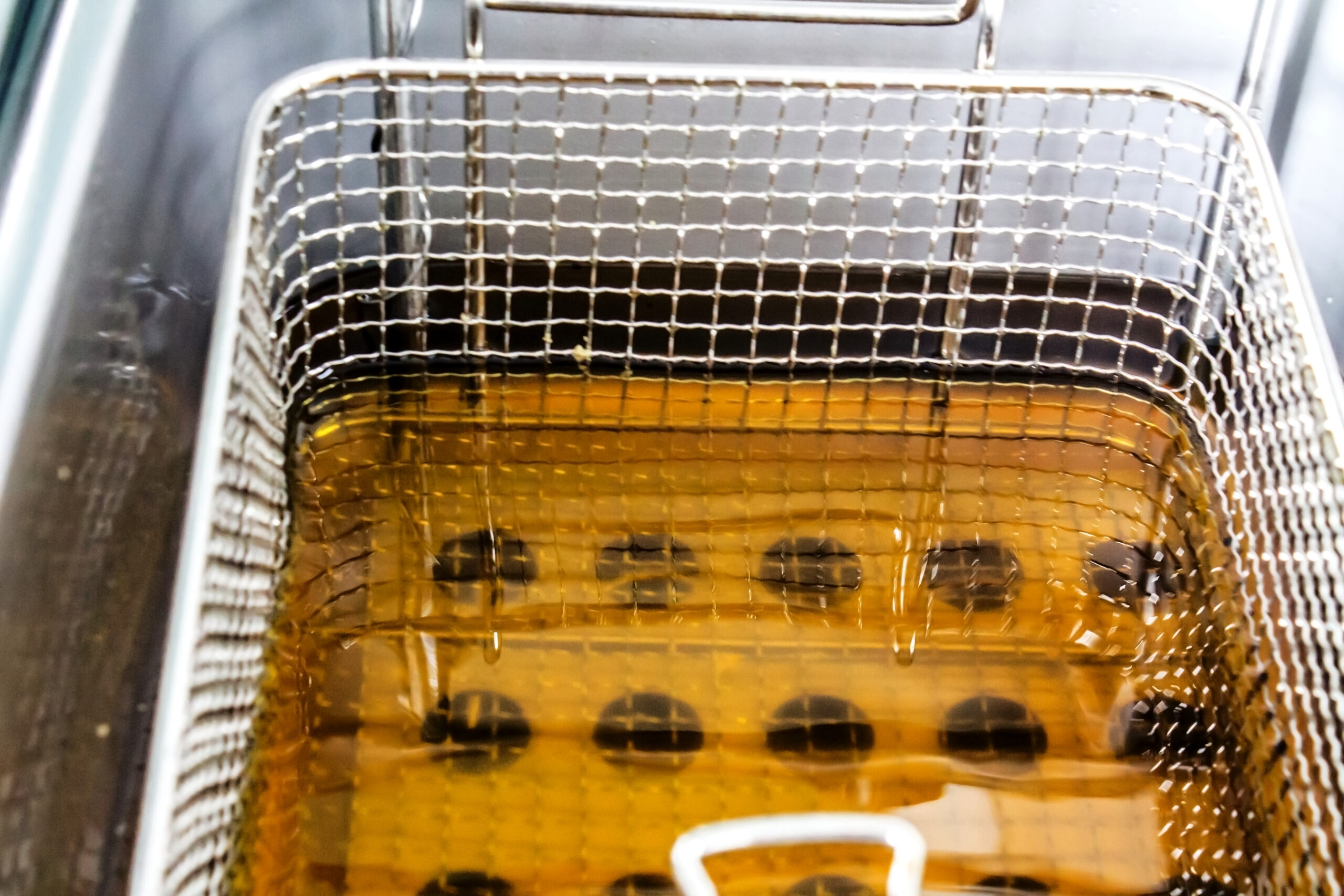
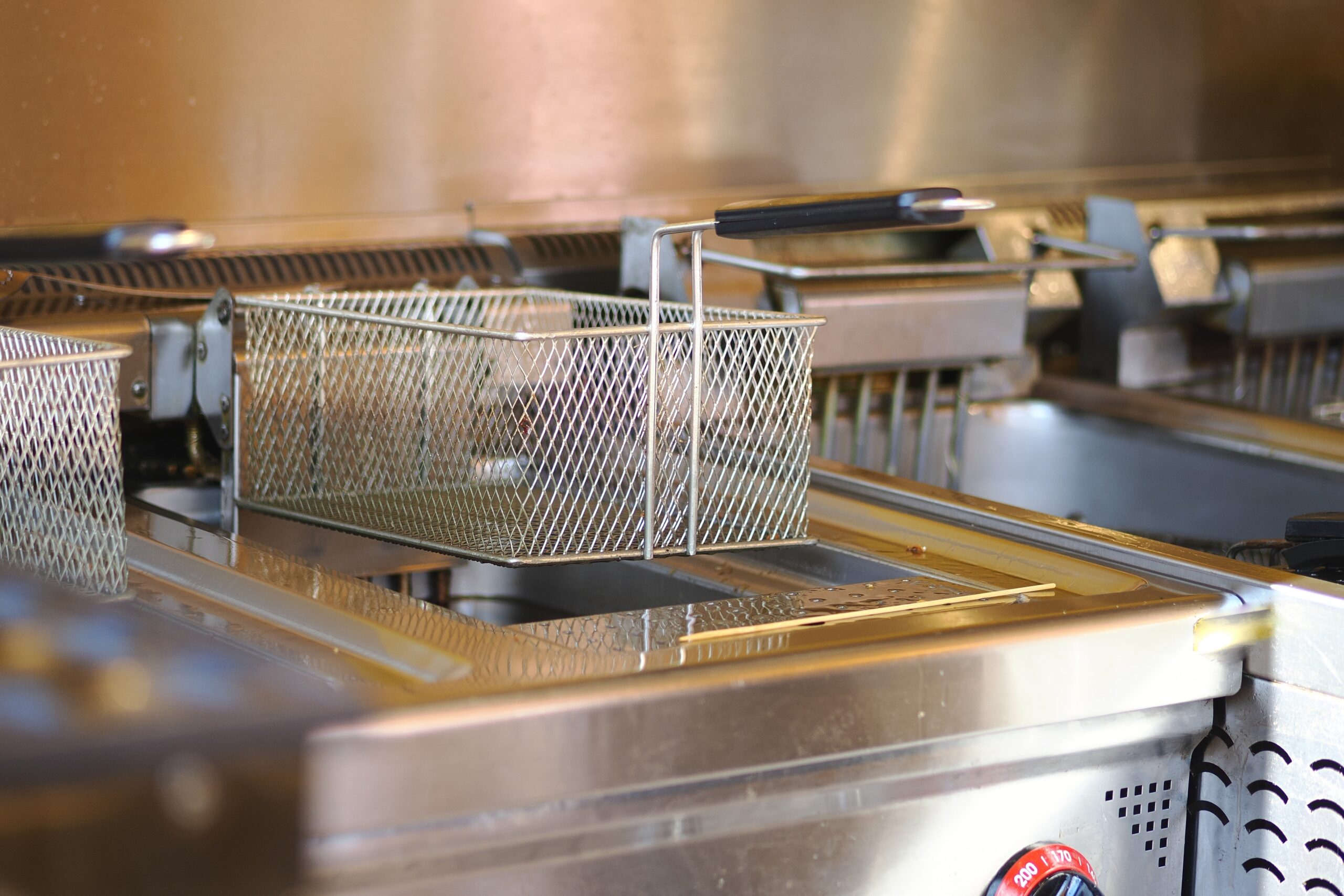
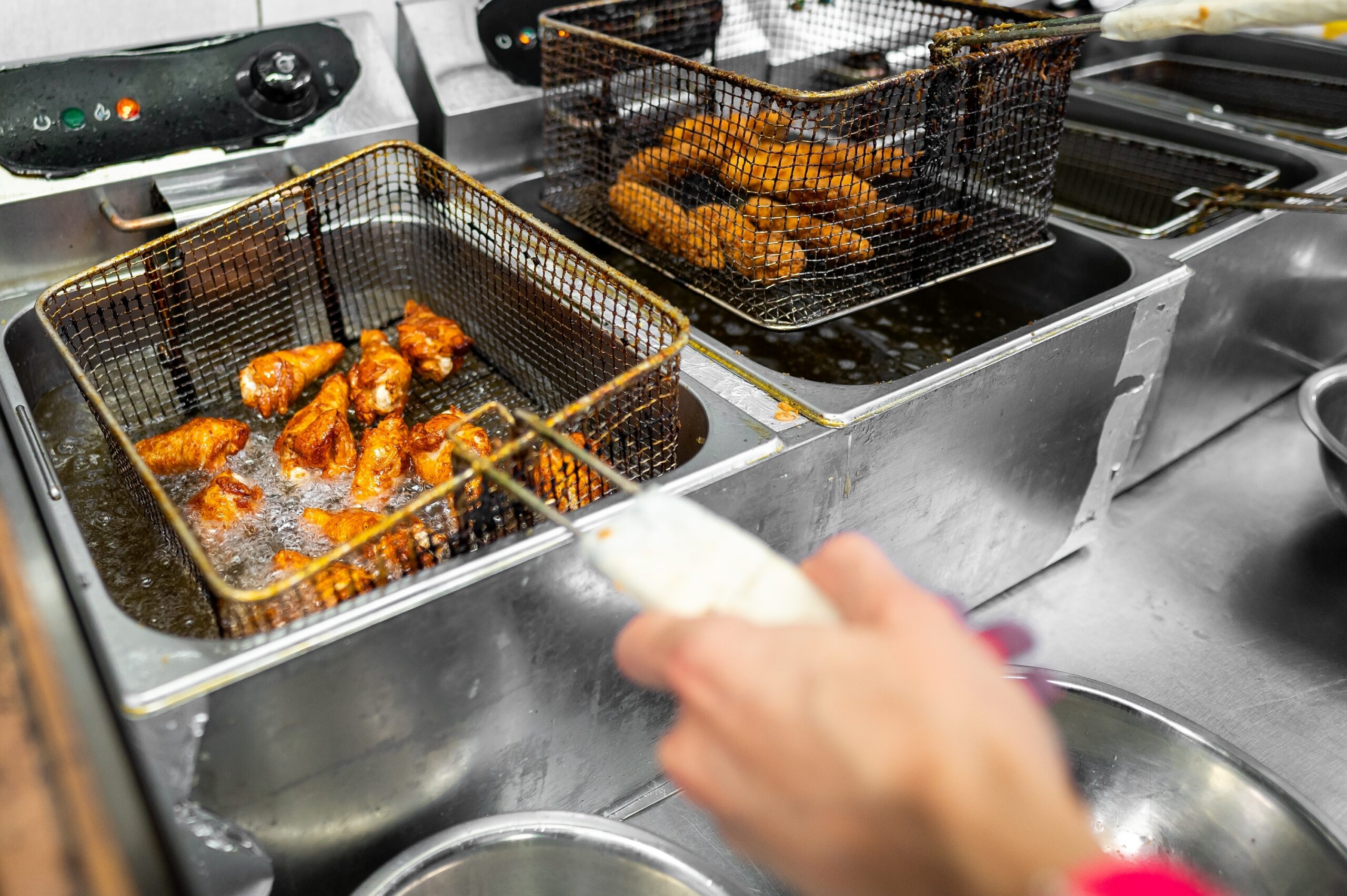
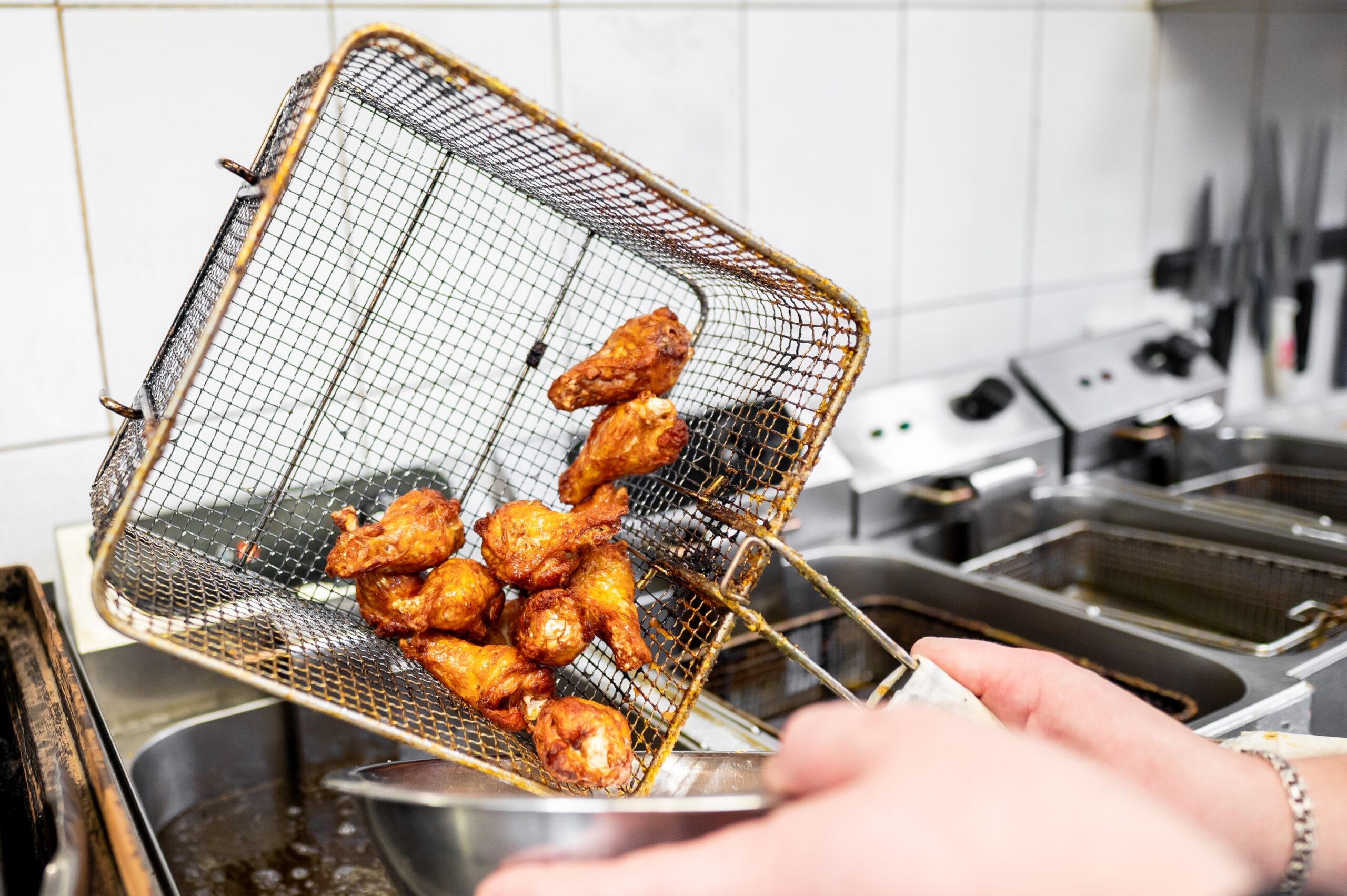
Fryers present particular challenges in busy kitchens. Without proper filtration and regular cleaning, cooking oil degrades faster, food quality suffers, and cooking equipment deteriorates from accumulated residue. Recognizing these patterns allows kitchen operators to address small problems before they become costly repairs.
Preventive Maintenance Best Practices
A commercial kitchen maintenance checklist prevents the most common failures before they disrupt operations. Across commercial operations, 65% of maintenance professionals identify proactive maintenance as the most effective way to reduce unplanned downtime, according to MaintainX’s 2024 State of Industrial Maintenance report.3 Effective preventative maintenance combines daily habits, scheduled inspections, and professional servicing into a comprehensive system.
Key maintenance activities should be organized by frequency:
- Daily tasks: Staff should clean cooking surfaces after each shift, check refrigerator temperatures, and visually inspect appliances for obvious problems like frayed cords or unusual sounds.
- Weekly inspections: Check door seals, clean condenser coils on cooling units, and verify that all safety features function correctly.
- Monthly and quarterly servicing: Calibrate thermostats, replace worn gaskets, and deep-clean ventilation systems that require specialized attention.
Documentation transforms random upkeep into a reliable system. Maintaining logs of all inspections, repairs, and part replacements creates accountability and helps identify recurring issues.
Technology Supporting Appliance Maintenance
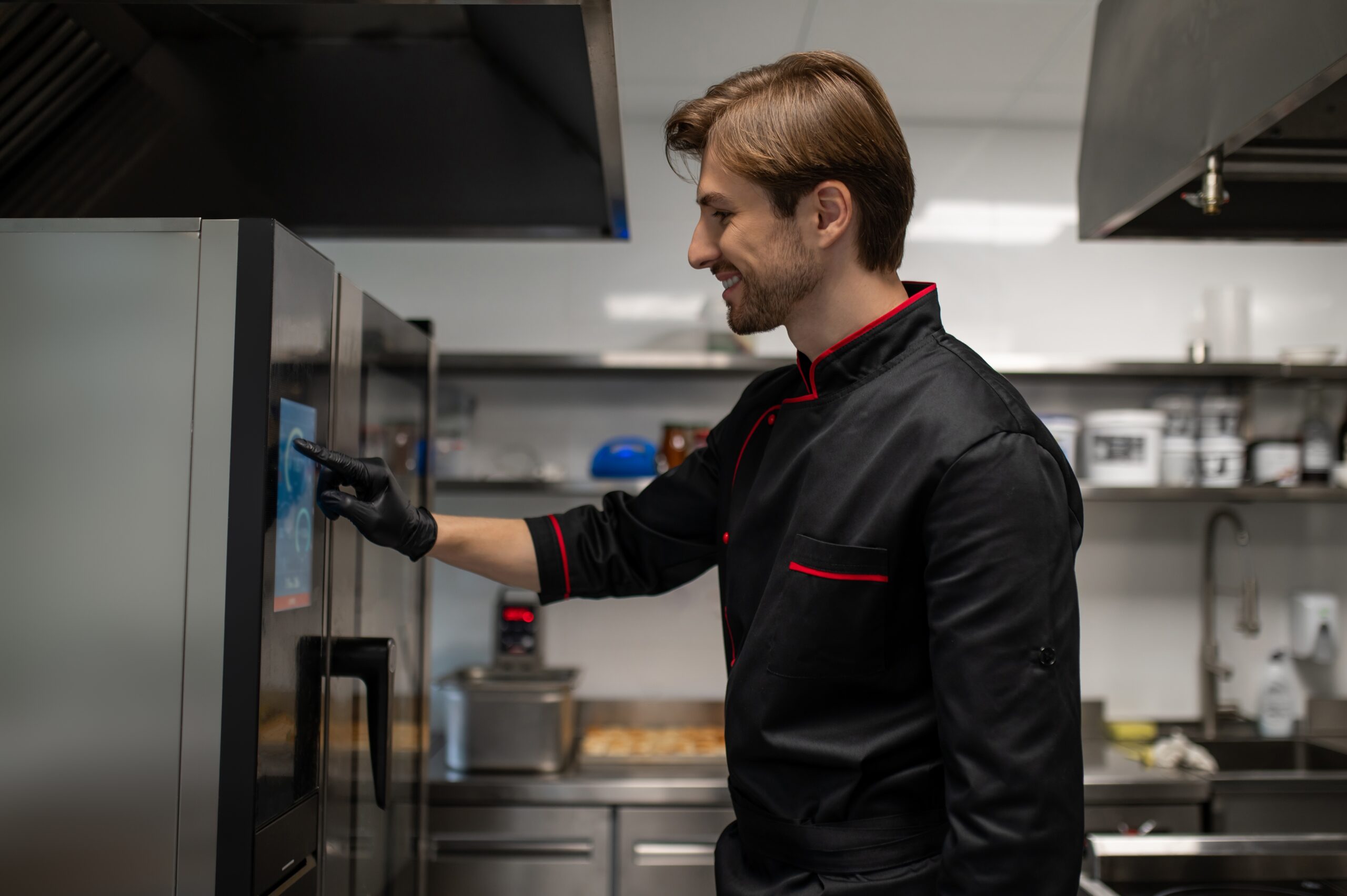
Digital tools now shift appliance maintenance from reactive repair to proactive oversight. Sensors track temperature, usage patterns, and performance data, feeding web-based dashboards that provide visibility across locations.
Automated alerts notify managers when equipment operates outside normal ranges, allowing issues to be addressed before costly breakdowns occur. Tracking software also schedules service, logs completed work, and supports health and safety compliance during inspections.
This reflects a broader move toward data-driven restaurant operations. The T.O.M. Portal applies the same approach to cooking oil management, providing web-based monitoring of filtration and usage. Real-time insight helps operators reduce waste, maintain consistency, and protect margins across every kitchen.
Understanding how technology has changed restaurants reveals the broader shift toward data-driven operations. Appliance repair and maintenance represents one area where digital tools deliver measurable returns.
Moreover, exploring new technology in restaurants shows how automation continues to reshape back-of-house operations, including appliance upkeep and cooking oil management.
Safety, Compliance, and Equipment Longevity
Proper maintenance directly supports the health and safety standards that govern commercial foodservice operations. Regulatory agencies expect kitchen appliances to function correctly, and inspectors look for evidence of ongoing care.
Temperature Control and Food Safety
Temperature control stands as a primary compliance concern. The USDA Food Safety and Inspection Service defines the Danger Zone between 40°F and 140°F as the temperature range where bacteria multiply rapidly.4 Refrigeration units, hot holding appliances, and cooking equipment must maintain temperatures outside this range to prevent foodborne illness.
Fire and Operational Safety
Fire safety also depends on appliance condition. Grease accumulation in exhaust hoods, malfunctioning gas connections, and worn electrical components create hazards that regular upkeep helps eliminate.
Staff safety improves when equipment operates as designed. Burns from malfunctioning fryers, cuts from damaged blades, and injuries from unpredictable machinery become less likely with consistent maintenance.
Protecting Equipment Investment
Well-maintained appliances also last longer. The capital investment in commercial kitchen appliances is substantial, and extending useful life through proper care protects that investment and preserves warranty coverage.
Reducing Risk Through Oil Automation
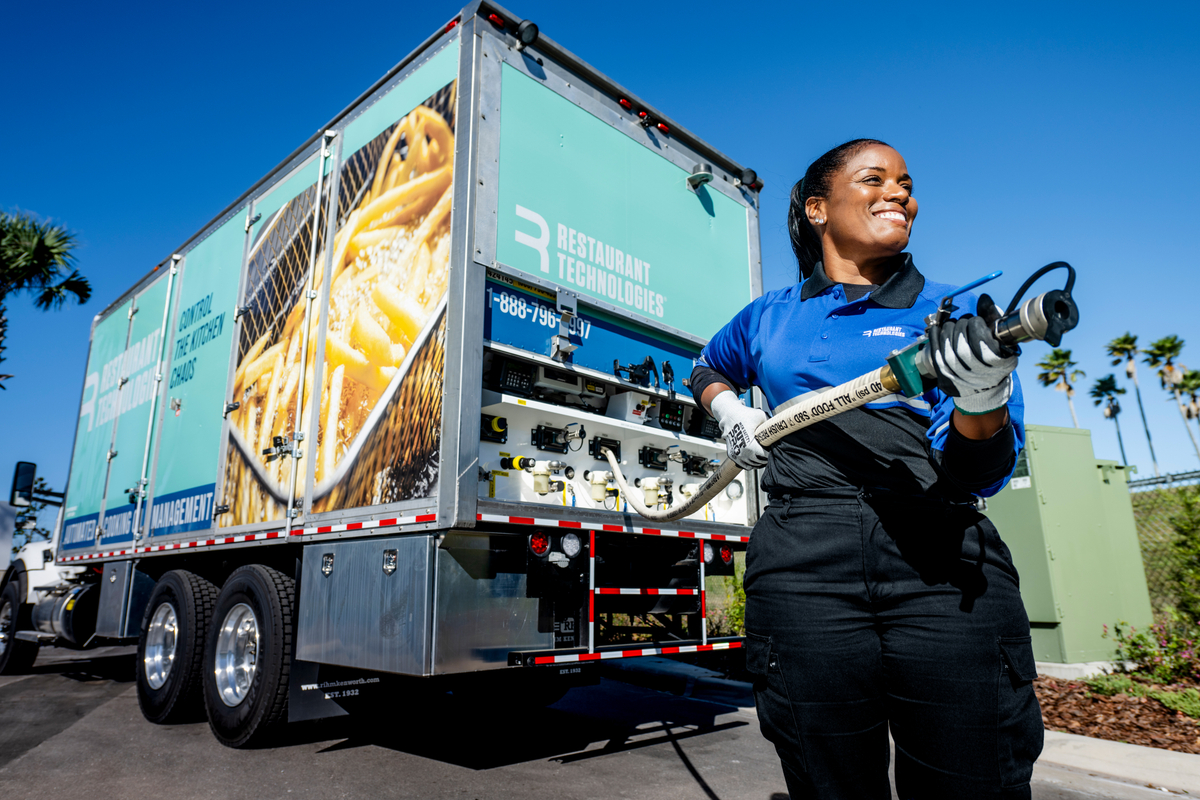
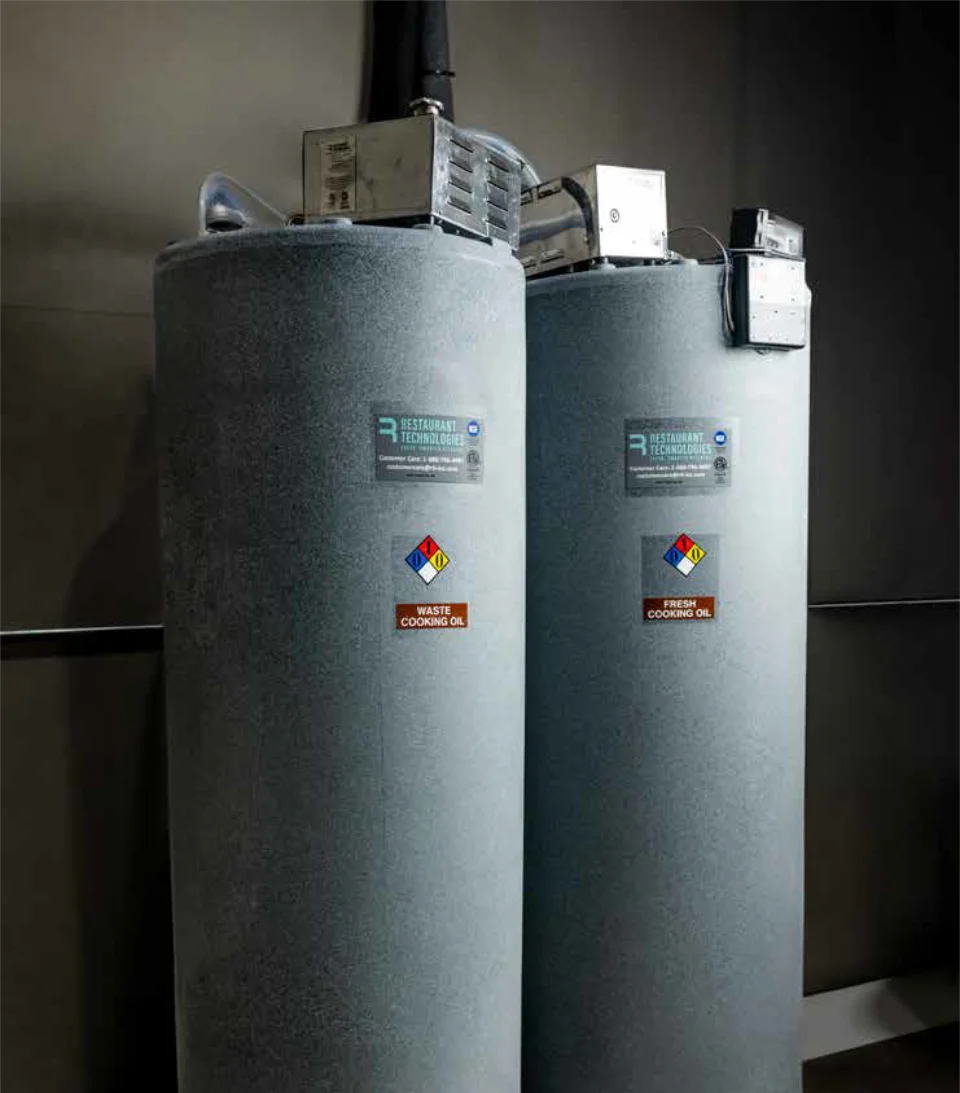
Manual cooking oil handling represents one of the most hazardous tasks in any kitchen. Heavy JIBs, hot oil transfers, and messy disposal create conditions that lead to burns, slips, and strains. Automated Cooking Oil Management eliminates these risks through enclosed, hands-free systems that protect staff while keeping appliances in optimal condition.

Reducing Costs Through Proactive Maintenance
Prevention costs less than repair across virtually every appliance category. The financial impact of reactive maintenance adds up quickly:
- Higher Emergency Repair Costs. Urgent service calls carry premium pricing. Expedited parts, after-hours labor, and peak-time disruptions increase total repair expenses while lost sales and wasted food compound the impact.
- Increased Energy Consumption. Appliances that struggle, coolers with dirty coils, ovens with worn seals, and fryers operating with degraded oil consume more electricity or gas. ENERGY STAR benchmarks show restaurants are among the most energy-intensive commercial buildings, making maintenance-related waste a significant operating expense.5
- Unplanned Capital Replacement. Equipment expected to last ten years may fail in five without proper care, forcing unexpected capital investment and straining cash flow.
- Operational Waste and Margin Erosion. Understanding how to use technology to improve restaurant margins highlights the value of automation and monitoring. For cooking oil management, automated systems extend oil life through proper filtration, reduce waste from spills and manual handling errors, and lower labor costs tied to repetitive oil tasks.
Keeping Commercial Kitchens Running Smoothly
Commercial kitchen appliance maintenance protects the operational foundation on which every food service business depends. When appliances receive consistent care, kitchens operate safely, efficiently, and reliably, as customers and staff deserve.
Technology now makes this easier than ever, with monitoring systems that track performance and alert operators before small issues become costly failures. The investment in proactive upkeep pays returns through reduced emergency repairs, extended appliance life, lower energy costs, and peace of mind during uninterrupted service.
Restaurant Technologies is the industry leader in automated cooking oil management. With over 25 years of expertise, Restaurant Technologies has transformed one of the hardest jobs in the kitchen into a clean, automated, closed-loop solution.
Sources:
- New York City Fire Department (FDNY). “Restaurant Fire Safety Guide”. https://www.nyc.gov/assets/fdny/downloads/pdf/business/restaurant-fire-safety-guide.pdf
- New York City Fire Department (FDNY). “FIRE DEPARTMENT ● CITY OF NEW YORK – Study Material for Certificate of Fitness W-64/P-64”. https://www.nyc.gov/assets/fdny/downloads/pdf/business/cof-w64-noe-study-materials.pdf
- Facilities Dive. “Unplanned downtime incidents have dropped, but costs continue to rise: MaintainX”. https://www.facilitiesdive.com/news/maintainx-preventive-maintenance-industrial-facilities-management-2024-downtime-costs/724230/
- USDA Food Safety and Inspection Service (FSIS). “Danger Zone (40°F–140°F)”. https://www.fsis.usda.gov/food-safety/safe-food-handling-and-preparation/food-safety-basics/danger-zone-40f-140f
- ENERGY STAR (U.S. Environmental Protection Agency). “Energy and Water Efficiency Checklist for Restaurants & Commercial Kitchens”. https://www.energystar.gov/sites/default/files/2024-06/Energy%20Checklist_Restaurants_new_2024.pdf