
New technology in restaurants is reshaping how operators manage costs, serve guests, and run kitchens. Artificial Intelligence (AI), automation, and connected systems address the industry’s most pressing challenges: rising labor costs, staffing shortages, and the demand for faster, more consistent service.
This article examines how digital tools transform ordering, kitchen operations, and decision-making. You’ll learn which technologies deliver measurable results, how automation improves safety and efficiency, and what challenges operators face when adopting new systems.
Why Technology Adoption Matters in Modern Restaurants
Rising labor costs, staffing shortages, and evolving guest expectations create urgent operational challenges for restaurants. Labor costs continue to climb while finding and retaining skilled workers grows more difficult each year. Meanwhile, guests expect faster service, seamless ordering, and consistent quality at every visit.
These challenges make technology adoption essential. Eight in 10 kitchen operators plan to increase their AI technology investments in the next fiscal year, a clear signal that AI is revolutionizing restaurants at an accelerating pace.1 Among the technology trends, AI and automation help restaurants accomplish more with fewer staff hours while maintaining the customer experience guests expect.
Understanding how technology has changed restaurants reveals a clear pattern. Kitchen operators who embrace automation gain measurable advantages in speed, accuracy, and cost control. Technology also delivers the consistency that builds customer loyalty. When systems handle routine tasks, staff can focus on hospitality and quality rather than manual processes that drain time and energy.
Key Areas Where New Restaurant Technologies Are Transforming Restaurants
Digital innovation touches every aspect of restaurant operations today:
- Front-of-house systems streamline how guests order, pay, and interact with staff
- Back-of-house technology automates kitchen workflows, monitors equipment, and manages inventory
- Restaurant management tools connect these systems to provide visibility across locations
A restaurant operator can track performance, identify issues, and make informed decisions remotely. The most effective technology strategies address multiple operational areas together. A connected approach delivers greater benefits than isolated point solutions that create data silos and require separate management.
Technology Improving Ordering and Guest Experience
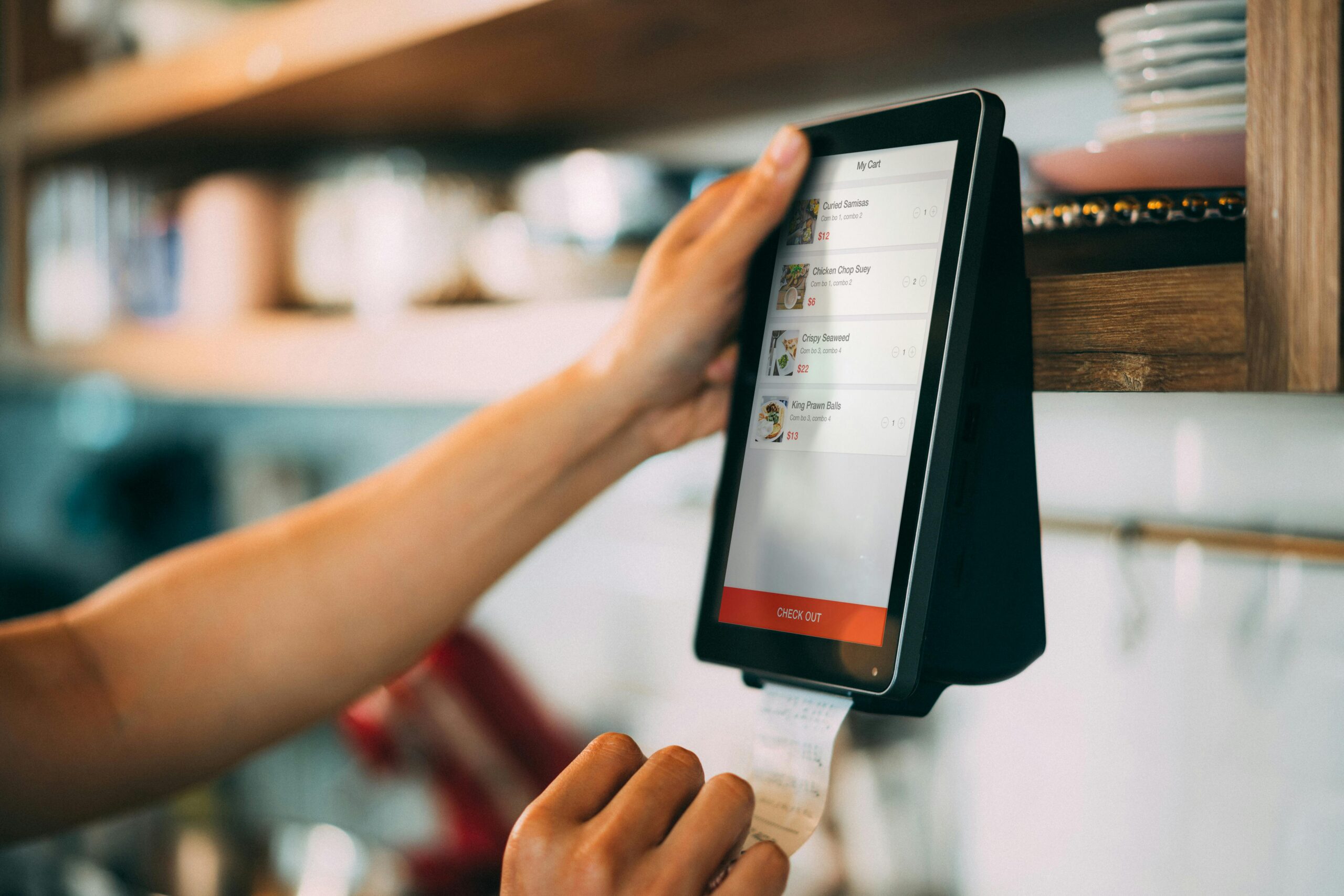
Guest-facing technology has transformed how restaurants take orders and process payments. Here are some of the ways restaurant tech helps restaurants improve ordering and dining experience:
- Online ordering: Guests browse menus, customize items, and pay before arrival. Some also utilize chatbots and customer data to interact and identify buying behaviors of customers.
- Self-service kiosks: Reduce lines during peak periods and improve order accuracy.
- Smartphone apps: National Restaurant Association research on where operators plan to invest in tech shows consumers are ready.2 70% of limited-service diners and 63% of full-service guests are comfortable placing orders this way.
- Contactless payments: Speed transactions and meet evolving guest preferences.
- Fewer manual errors: Less cash handling and manual entry means fewer mistakes.
The result: Shorter wait times, greater guest control, increased throughput, and the ability to serve more customers during busy periods without adding staff.
Technology Optimizing Kitchen and Operations
Back-of-house systems bring the same precision and speed to restaurant kitchens. Real-time kitchen display systems replace paper tickets with digital screens that prioritize orders, track timing, and coordinate stations. This visibility helps teams execute consistently during high-volume service and streamline operations.
Inventory management tools automate tracking and ordering to reduce food waste and prevent stockouts. Kitchen operators can monitor usage patterns and adjust purchasing based on actual data rather than estimates.
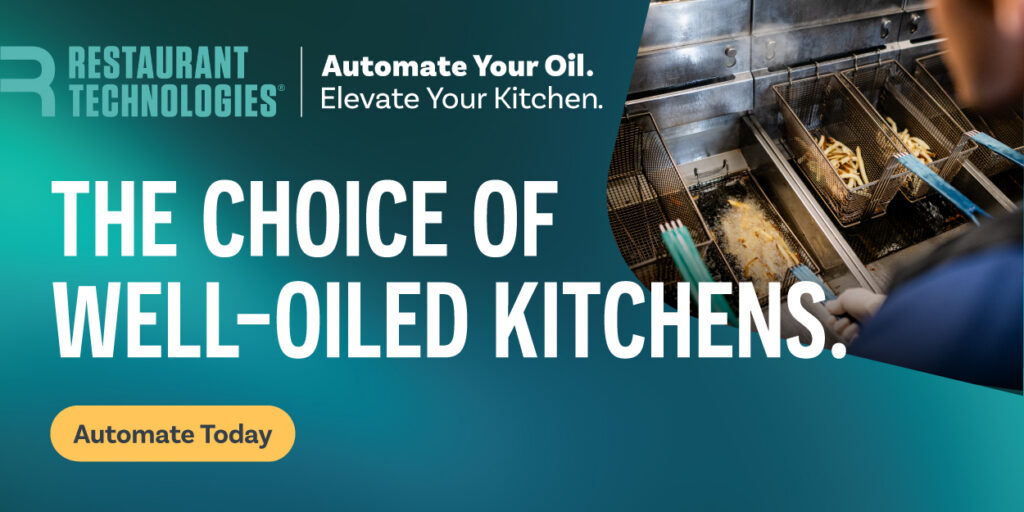
Restaurant automation extends to critical kitchen tasks that were once entirely manual. Solutions like automated cooking oil filter systems and used cooking oil disposal eliminate hazardous, time-consuming work while improving food quality and food safety.
Moreover, proper commercial kitchen appliance maintenance also benefits from connected technology. Monitoring systems can alert kitchen operators and restaurant owners to potential issues before equipment fails, reducing downtime and repair costs.
Future of Restaurant Technology: Data, Analytics, and Smarter Decision-Making
Restaurant technology trends are increasingly centered on connected systems that turn operational activity into usable insight. When platforms work together, operators gain a clear view of performance across locations instead of piecing together reports from multiple tools.
Consolidated Dashboards
Modern dashboards bring key metrics into one clear, actionable view. Leaders can monitor sales, labor, inventory, and equipment performance in a single place, improving oversight and consistency across units.
AI-Powered Reporting
AI-driven reporting reveals patterns that are difficult to detect manually. Operators can identify what drives profitability, uncover emerging issues, and make informed decisions on how to use technology to improve restaurant margins.
Real-Time Alerts
By using AI in restaurants, managers are notified immediately when metrics fall outside expected ranges. This visibility allows teams to address issues early, before they escalate into costly operational problems.
Data-Driven Planning
Analytics also support long-term strategy. Industry research continues to highlight digital ordering, automation, and data analytics as drivers of competitive advantage.3 Historical performance data helps operators forecast demand, adjust staffing, and plan capital investments with greater confidence.
Common Challenges When Adopting New Technology
Despite clear benefits, technology adoption presents real obstacles for many restaurants:
- Upfront costs can strain budgets, especially for independent restaurants or growing multi-unit groups
- Staff training requires time and resources to ensure proper system adoption
- System integration remains a common frustration when platforms cannot share data
- Partner selection matters as much as choosing the right technologies
Evaluating the total cost of ownership rather than the purchase price alone helps kitchen operators make sound investments. A National Restaurant Association study on workforce technology found that only 15% of kitchen operators say tech investments have made it easier to recruit and retain employees.4 This underscores the gap between investment and realized benefits.
Building a Future-Ready Restaurant
Strategic technology adoption positions restaurants for long-term success in a demanding restaurant business industry. Kitchen operators who invest thoughtfully in AI, automation, and data visibility gain lasting advantages in efficiency, consistency, and profitability. Addressing front-of-house, back-of-house, and management operations together creates the foundation for sustainable growth and restaurant success.
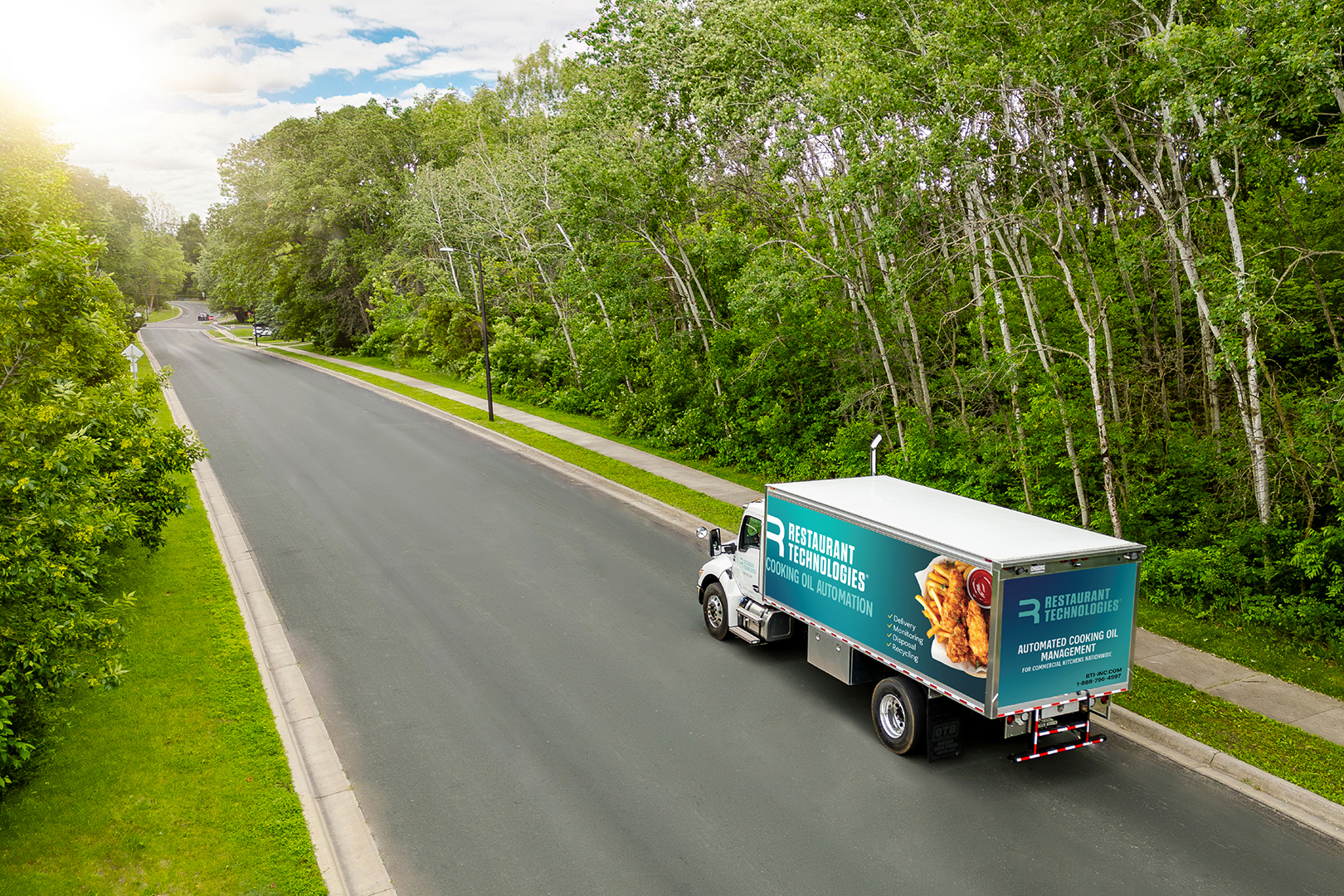
Restaurant Technologies is the industry leader in Automated Cooking Oil Management for the food industry. The company serves more than 45,000 commercial kitchens nationwide with dependable, technology-driven systems that enhance safety, efficiency, and food quality.
Sources:
- Deloitte Insights. “How AI is revolutionizing restaurants”. https://www.deloitte.com/us/en/insights/industry/retail-distribution/ai-in-restaurants.html
- National Restaurant Association. “Where operators plan to invest in tech”. https://restaurant.org/education-and-resources/resource-library/where-operators-plan-to-invest-in-tech/
- National Restaurant Association. “State of the Restaurant Industry”. https://restaurant.org/research-and-media/research/research-reports/state-of-the-industry/
- National Restaurant Association. “RESEARCH INSIGHT: WORKFORCE TECHNOLOGY”. https://go.restaurant.org/rs/078-ZLA-461/images/Research%20Insight%20Workforce%20Technology.pdf